Get a Quote
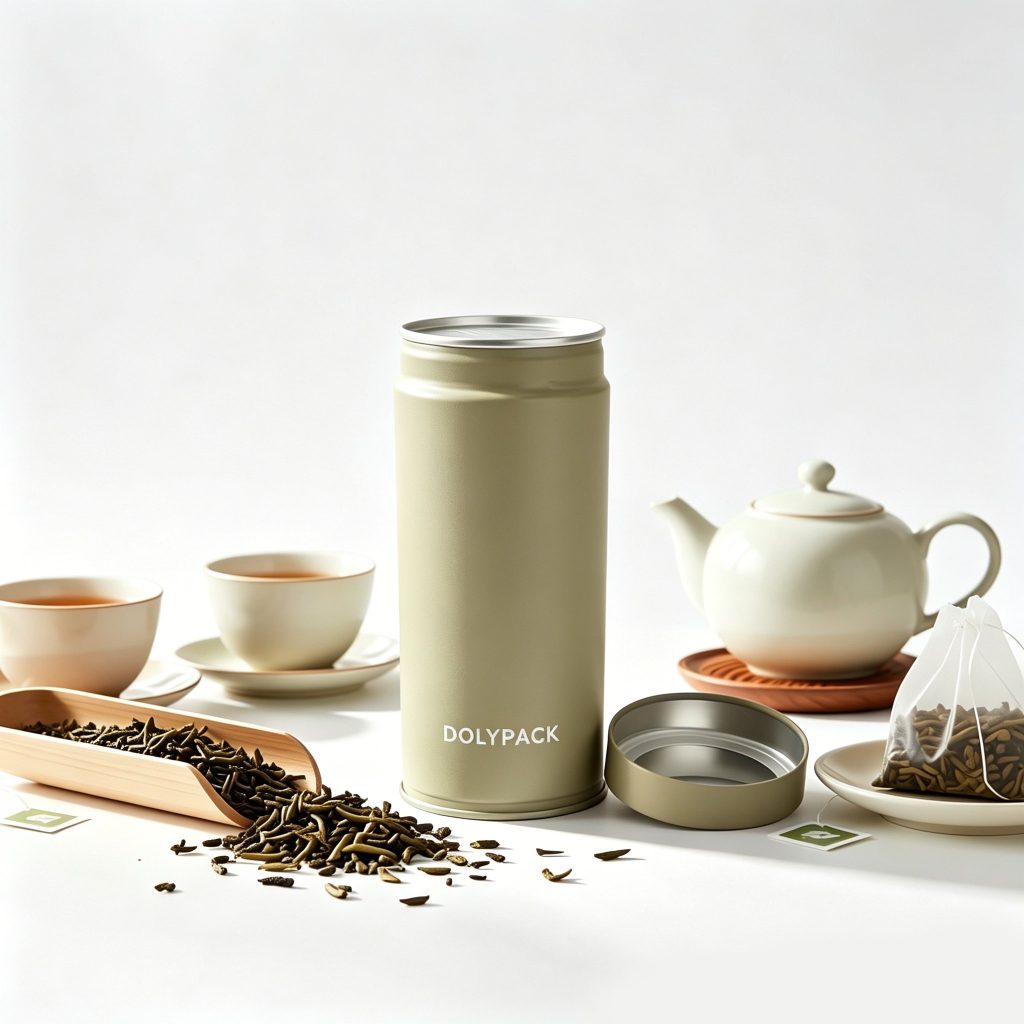
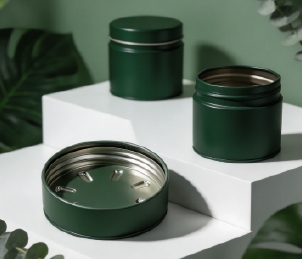
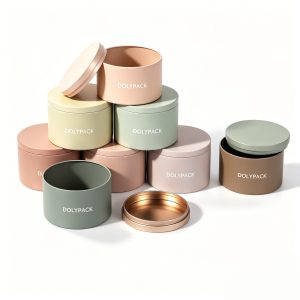
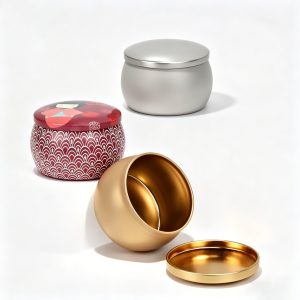
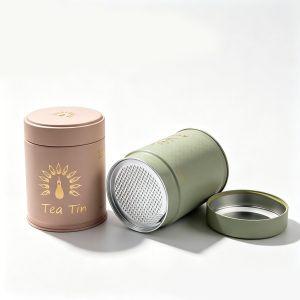
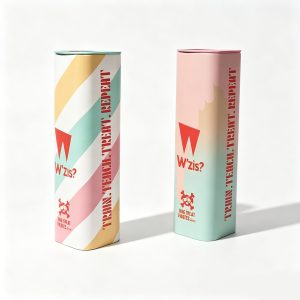
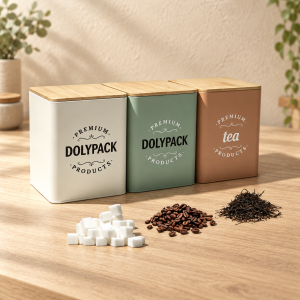
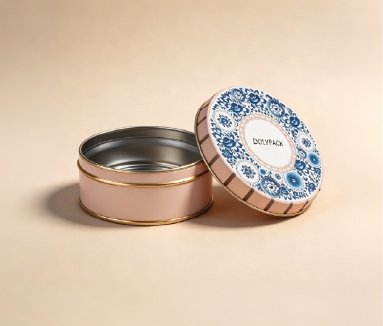
A tea tin can is a tinplate or aluminum container fitted with a lid — slip, screw, or hinged — built to hold loose-leaf tea, tea bags, or sachets while keeping out light, moisture, and outside odor. It’s one of the oldest packaging formats in the tea trade and still one of the most common on retail shelves.
A tea tin can is a small-to-medium metal vessel — usually tinplate or aluminum — sealed with a lid to keep tea dry, dark, and free of outside smells. “Tin” refers to the metal body and closure style; “canister” and “caddy” describe the same object but sound slightly more formal. None of the terms change what the container does: block the light and air that flatten tea’s flavor over time.
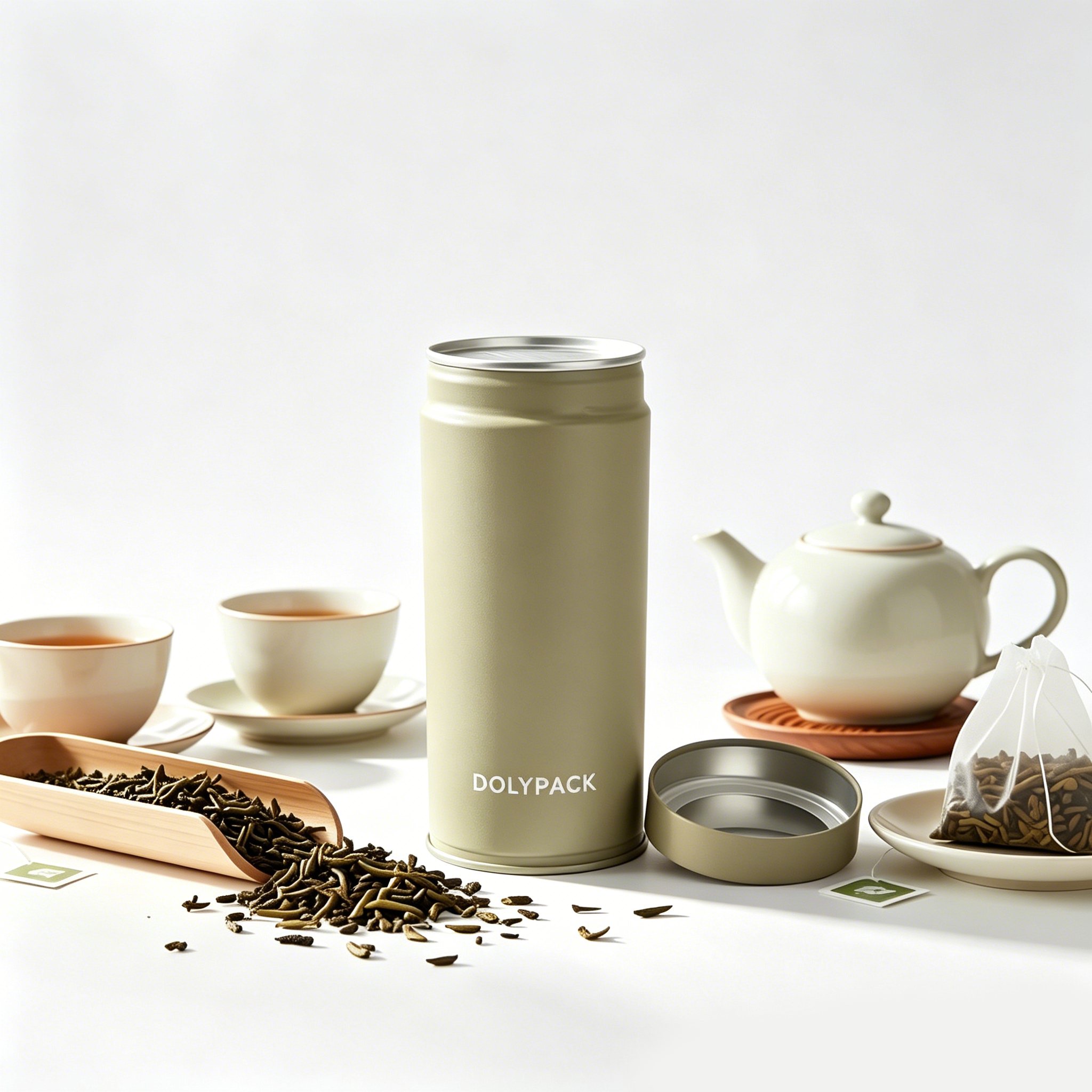
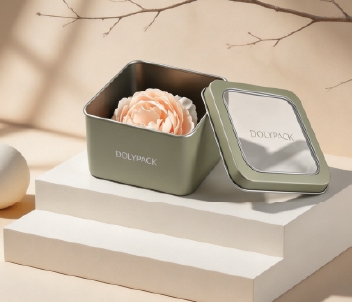
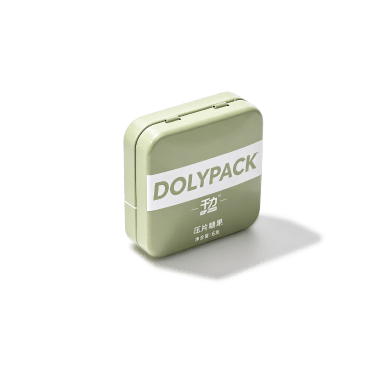
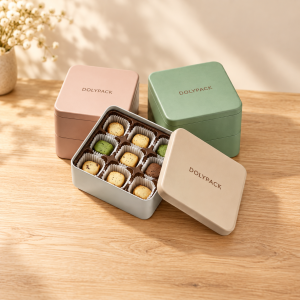
Depending on the seller and the region, the same container goes by several names: tea caddy, tea canister, tea box, or simply tea tin. All four point to one thing — a tight-sealing metal container sized for tea. The same naming pattern shows up across other metal packaging, where a square-format container gets called a “tin” or a “box” interchangeably.
Names, sizes, and body anatomy for the square format: Square Metal Tins Guide: Names.
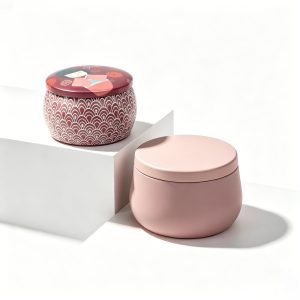
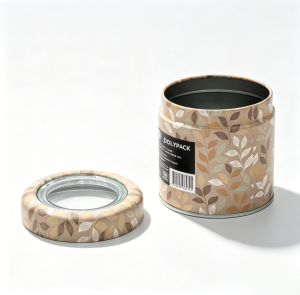
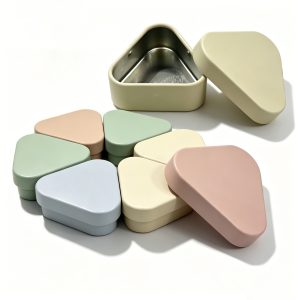
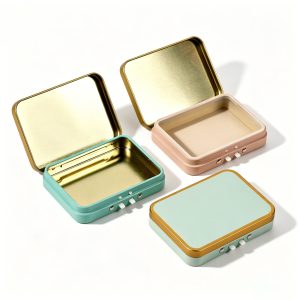
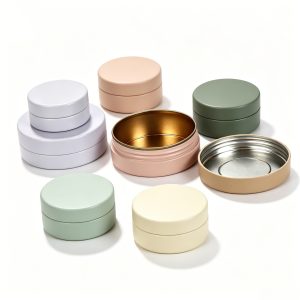
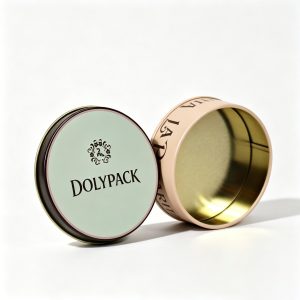
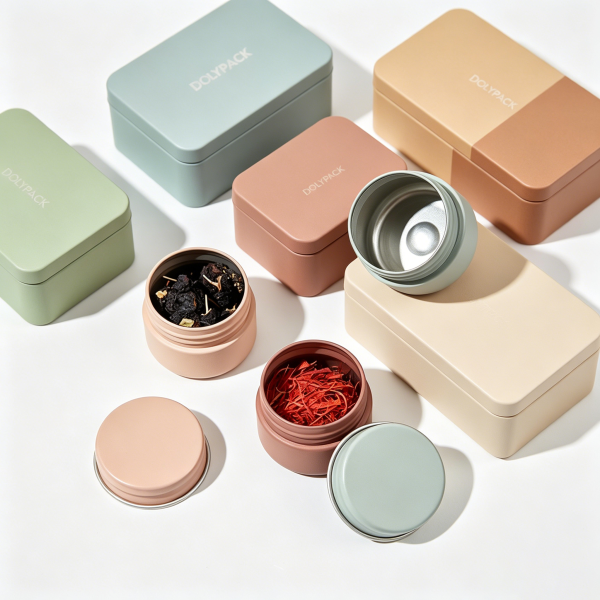
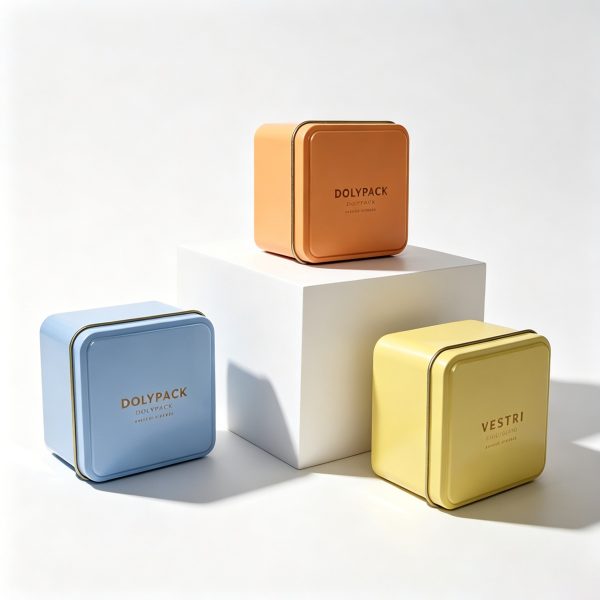
Round, square, and rectangular bodies cover most of the market. Round is the most common shape for retail loose-leaf tea — common diameters run around 73mm for smaller formats and up to 99mm for larger retail sizes, since round bodies pack edge-to-edge on a shelf with the least tooling complexity. Square and rectangular bodies trade some of that shelf efficiency for more flat, printable surface per unit.
Diameter and lid ranges for round bodies: Tin Round Box Guide: Names.
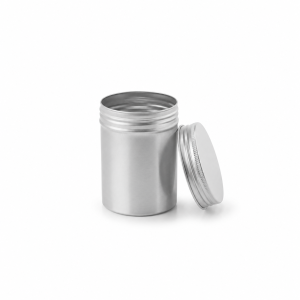
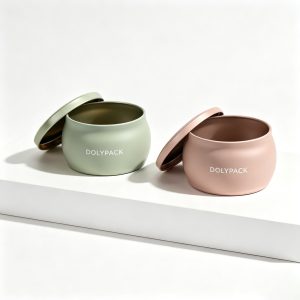
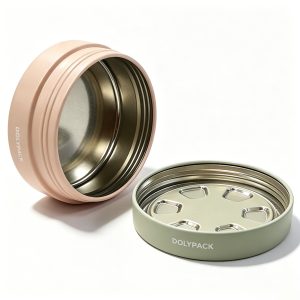
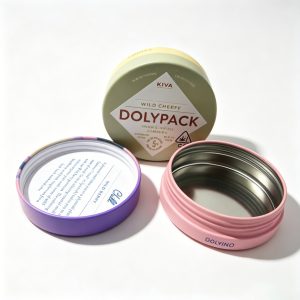
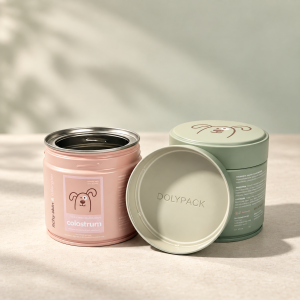
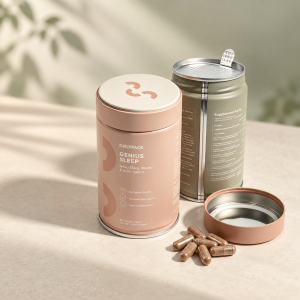
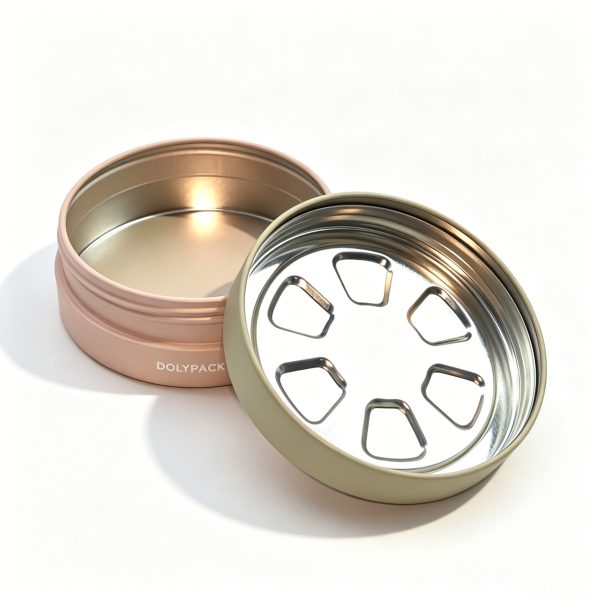
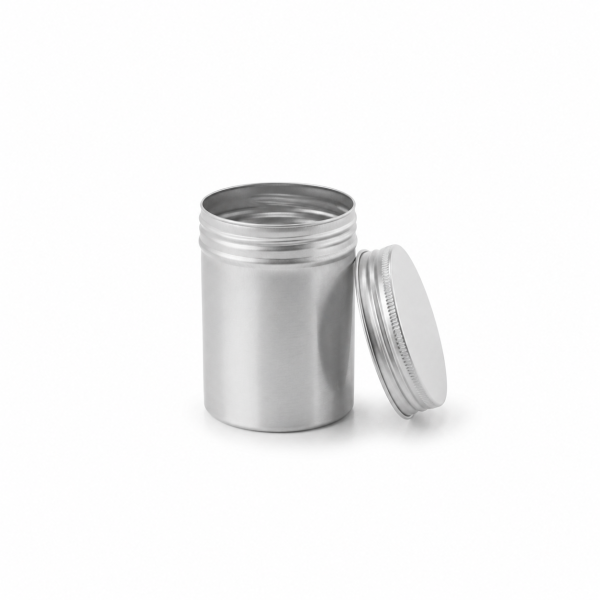
Slip-lid (push-on) closures are tight-sealing and open with one hand, suited to daily use, but rely on friction alone and loosen slightly with repeated opening — they don’t hold a full seal indefinitely. Screw-top lids thread down tighter and hold a closer-to-airtight seal through more open-close cycles, which is why they show up on tins meant for travel or frequent refills. Click-lid and dual-layer (double-lid) tins add an inner lid under the outer one, giving a second seal point that gets closest to fully airtight — useful for loose-leaf tea sitting on a shelf for months.
Thread pitch, cap styles, and sizing: Screw Top Tins Guide: Closures.
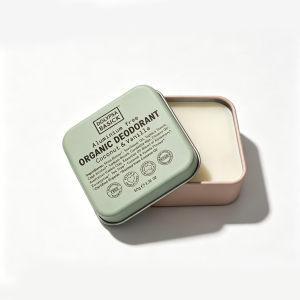
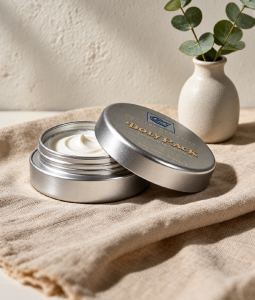
Fill weight generally sets tin size: roughly 50g of loose-leaf typically sits in a tin near 73mm in diameter, 100g needs closer to 80–85mm, and 250g runs toward 99–100mm diameter tins with taller bodies. Actual capacity shifts with how densely a specific tea leaf packs. The smaller end of that range — 1–2 oz travel or sample tins — shares sizing and lid logic with balm and cosmetic tins.
Shared sizing and lid mechanics at the small end: Lip Balm Tins Guide: Types.
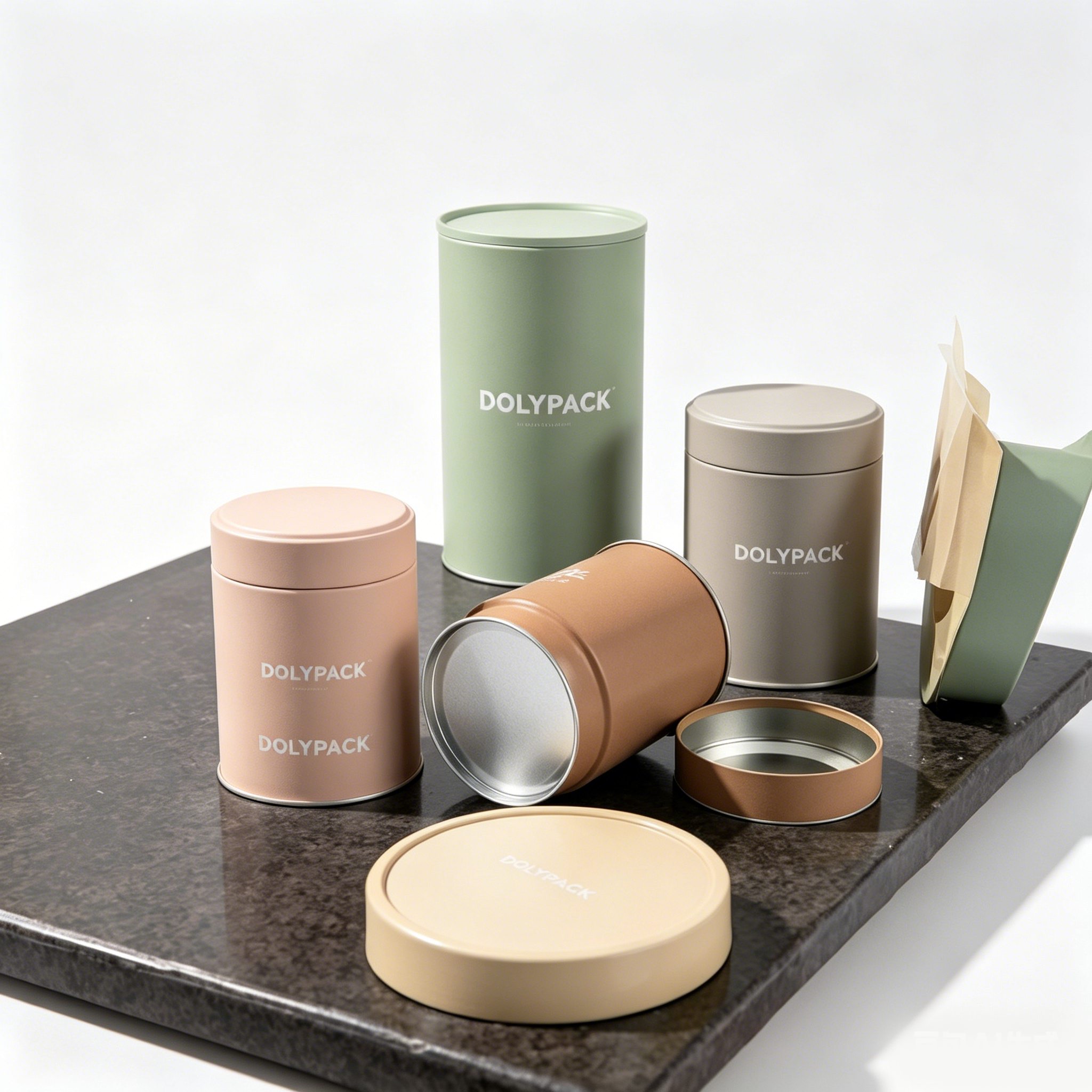
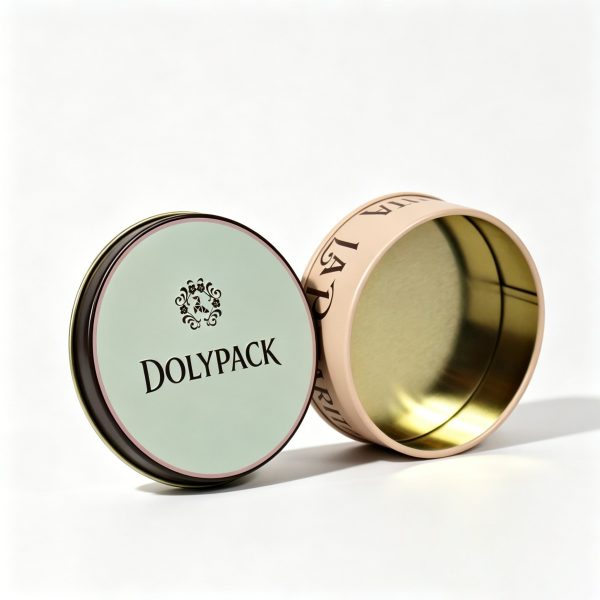
Most tea tins run a tinplate gauge between 0.20mm and 0.25mm — thin enough to form and print cleanly, thick enough to hold shape under stacking and repeated lid use. The inner surface carries a food-contact-grade lacquer that keeps the metal from reacting with tea oils and moisture; many suppliers describe this liner as BPA-free, but the exact formulation and food-contact status should be confirmed with the manufacturer for a given project rather than assumed from a generic listing. On double-lid and click-lid tins, that inner lid does most of the sealing work — it seats directly against the tin’s neck, while the outer lid mainly protects that inner seal and finishes the look.
Metal blocks light and slows air exchange far more effectively than paper, clear plastic, or untinted glass — light and oxygen are the two biggest drivers of tea losing color, aroma, and flavor over time. A close-fitting lid limits both, though only screw-top and double-lid designs come close to a full airtight seal; slip lids are tight-sealing rather than airtight. Exactly how long tea stays fresh inside depends on the tea itself, seal quality, and storage conditions, so there’s no single fixed timeframe — but a properly sealed tin will outlast an open bag or a loosely capped jar by a wide margin.
| Storage type | Light/odor barrier | Reusability | Notes |
|---|---|---|---|
| Metal tin | Best — fully opaque | High, reusable and giftable | Needs a close-fitting lid to perform |
| Resealable bag/pouch | Weak to moderate | Low, single-use in practice | Cheaper, less protective |
| Glass jar | Poor unless tinted | High | Attractive on shelf, but light passes through |
Rigid-format storage options and their structural trade-offs: Tin Case vs the Alternatives: How to Choose.
Vintage or well-known branded advertising tins can carry real value to collectors, depending on the brand, condition, and rarity. A plain, empty modern tin generally doesn’t carry resale value on its own — it’s worth more as reusable storage than as a collectible. Brands wanting a tin worth keeping years from now get there through custom design and finish, not by hoping a mass-produced tin becomes collectible later.
Four decisions cover most of the choice:
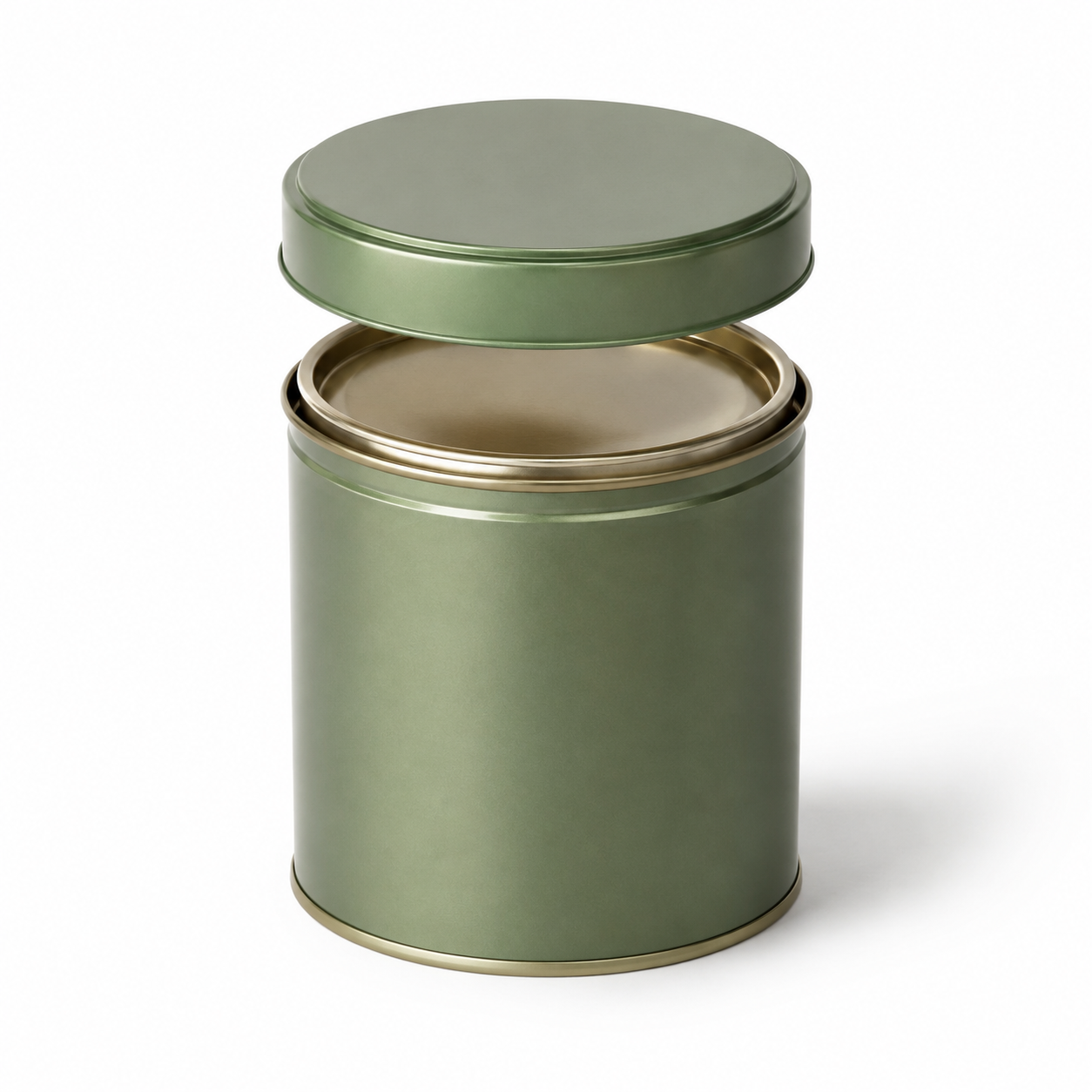
Embossing and debossing depth depend on metal gauge and artwork: embossed tins materials. How shape choice affects tooling and cost: metal tins vs alternatives.
Production route, tooling, pattern depth, print alignment, finish, and sample requirements are quoted only after a manufacturer reviews the container drawing and vector artwork for a specific project — there’s no single MOQ or tooling lead time that applies across every tin size and decoration method. A no-minimum method like laser marking or a self-adhesive label moves faster through tooling than full-color printing or a custom color, which typically needs a larger order to justify the setup. Getting a straight answer on which category a design falls into, before committing to artwork, avoids surprises later.
Bulk-order mechanics and how MOQ tiers work across a full product line: Wholesale Tin Containers Guide: Types. Unit cost drivers across gauge, decoration, and finish: Aluminum Tin Cost: Prices & What Affects Them.
Ready structures to start from: Tea Tins Wholesale. To confirm sizing, artwork, and finish for a specific run, contact DOLYPACK with the container details.
There’s no single best tin — the right one depends on tea format and goal. Look for a close-fitting seal, a light-blocking metal body, a size matched to loose-leaf or bagged tea, and decoration that fits the brand’s shelf positioning.
Vintage or branded advertising tins can carry collector value depending on age, brand recognition, and condition. A plain, modern empty tin typically holds reuse value rather than meaningful resale value.
Tea caddy, tea canister, and tea box are common alternate names for a tea tin — all describe the same tight-sealing metal container built to store tea.
There’s no fixed number; it depends on the tea, the seal quality, and storage conditions. A properly sealed tin kept away from heat and light will keep tea fresh far longer than an open bag or loosely capped jar.
Yes. Empty tea tins are sold both to brands that fill and label them for retail and to individual buyers who want a reusable metal container for tea, spices, or small items.
Functionally, none — they’re the same container. “Canister” is simply the slightly more formal or regional term for the same tight-sealing metal tea tin.
Yes. Tea tins are sourced in bulk for retail and private-label use, with sizing, closure, and decoration confirmed against a specific order before quoting quantities. Contact DOLYPACK to review a project.
A tea tin organizer is typically a set of same-sized tins, or a tray or box holding several tins, used to sort and label multiple loose-leaf or bagged tea varieties in one place rather than storing them loose.
Send your target material — aluminum or tinplate — fill volume, quantity, and preferred decoration method. We typically respond within 12 business hours with pricing and lead time.
Request a free aluminum tin sample to check quality before ordering. Review aluminum tin cost factors to budget your first run, or explore customization options for printing, finishes, and accessories.