Get a Quote
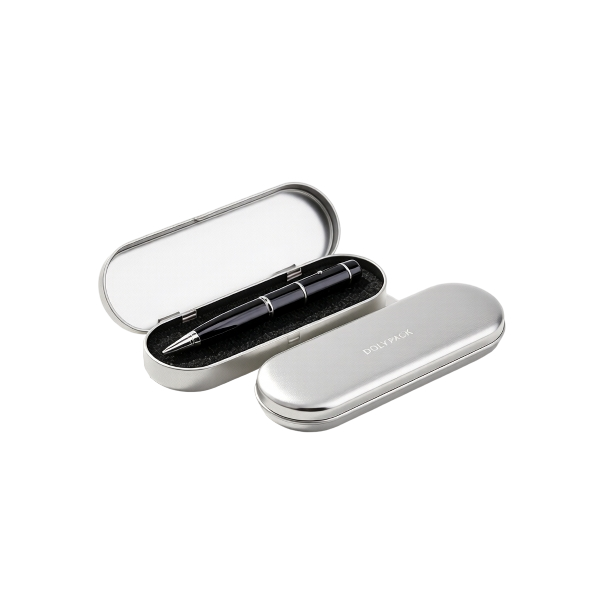
A tin case is a small metal container closed with a lid, used to hold and protect everything from mints and candles to cosmetics and craft supplies. What it’s called and how well it holds up both come down to one thing: the lid mechanism, not the metal itself.
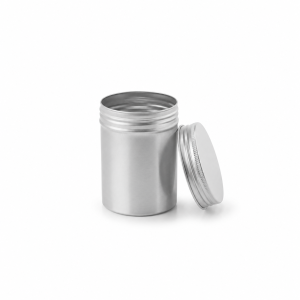
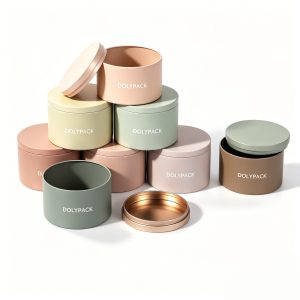
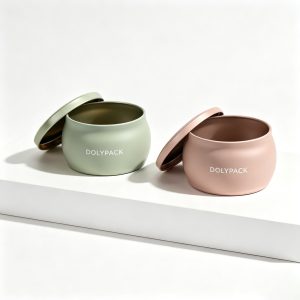
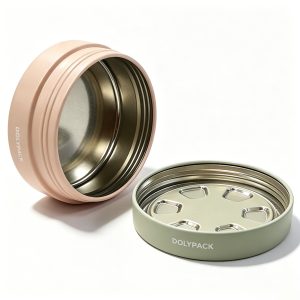
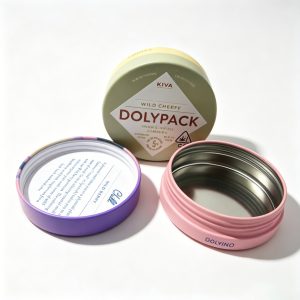
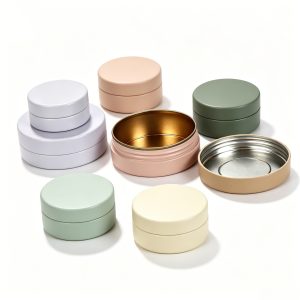
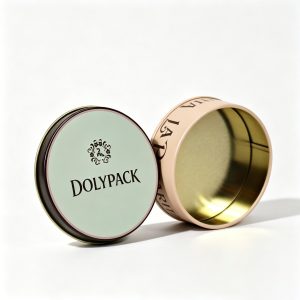
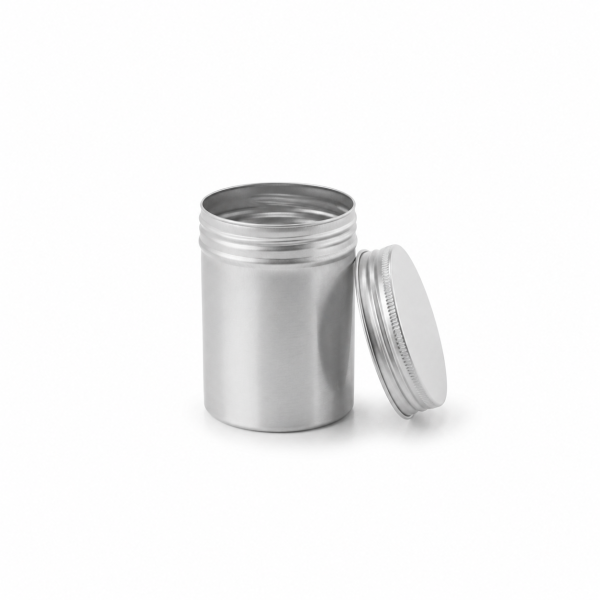
A tin case is built from tinplate — steel rolled thin and coated with a fine layer of tin, typically lined inside with a clear epoxy or phenolic lacquer so the product never touches bare metal — or from aluminum, which skips the coating step entirely. Packaging-grade tinplate is usually rolled to roughly 0.15–0.32 mm; go much thinner and the body dents under normal handling, much thicker and the case gets heavy and costly to ship. DOLYPACK’s aluminum tin catalog, for example, spans 5 ml to 6,000 ml in capacity, with screw caps sized separately from about Ø17.5 mm to 89 mm, and flat low-profile formats commonly built at 60 ml and 130 ml. Whichever material a case uses, the lid — not the metal — decides how it actually gets used day to day.
The same object goes by several names depending on region and context: tin box, tin can, canister, tinplate container, and — in the UK — biscuit tin. The distinction that actually matters for sourcing isn’t the name, though; it’s lid function. “Tin can” usually implies a sealed food container opened once and discarded, while “tin case,” “tin box,” and “canister” imply something reusable, opened and closed repeatedly. Naming the closure type gets a more useful answer than naming the container “a tin case.”
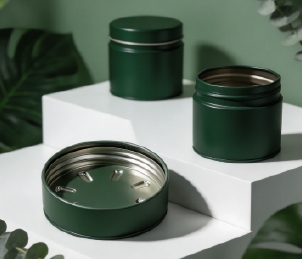
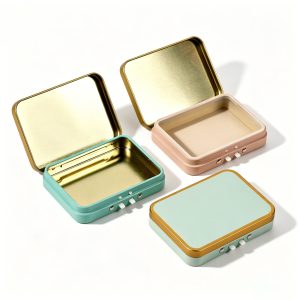
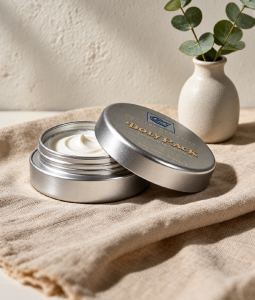
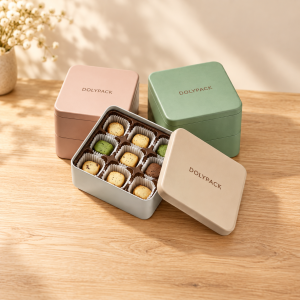
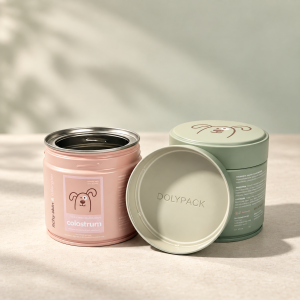
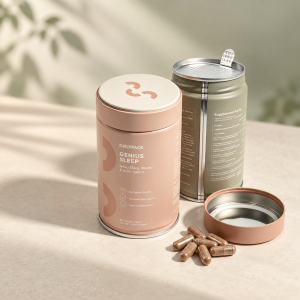
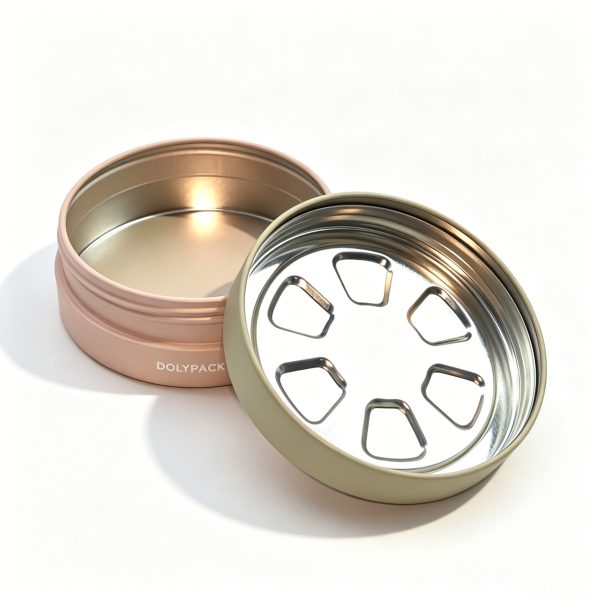
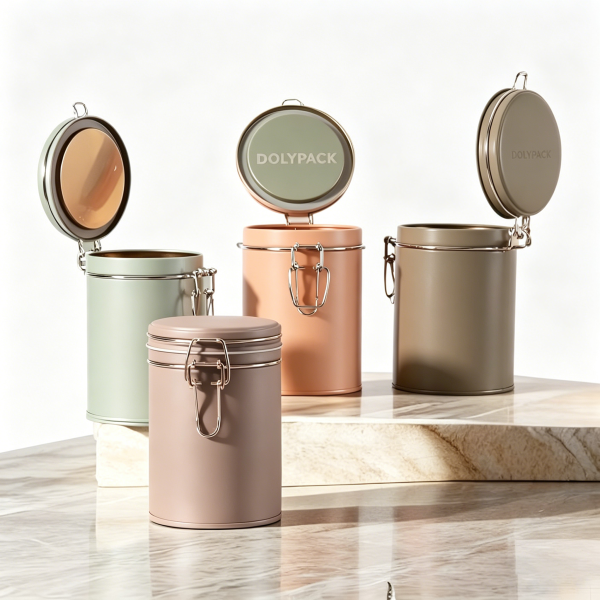
Lid construction is what actually separates one tin case from another. A slip lid relies on friction fit — quick to remove, though it can loosen slightly with repeated use. A hinged lid stays attached to the body for one-handed opening, the way hinged and slide closures are built for repeat use, but the hinge is a moving part that can bend out of true if the case is dropped or overpacked. A screw lid, the closure behind how threaded lids achieve a tighter reseal, gives the best protection against moisture and spills at the cost of being slower to open. A 3-piece build — separate lid, body, and base — is common on larger or square-format cases and adds extra seams, which is exactly where a scratched lacquer coating turns into a rust risk. As a rule: choose screw lids when moisture or spill resistance matters most, hinged lids when one-handed access matters most, and slip lids when unit cost matters most.
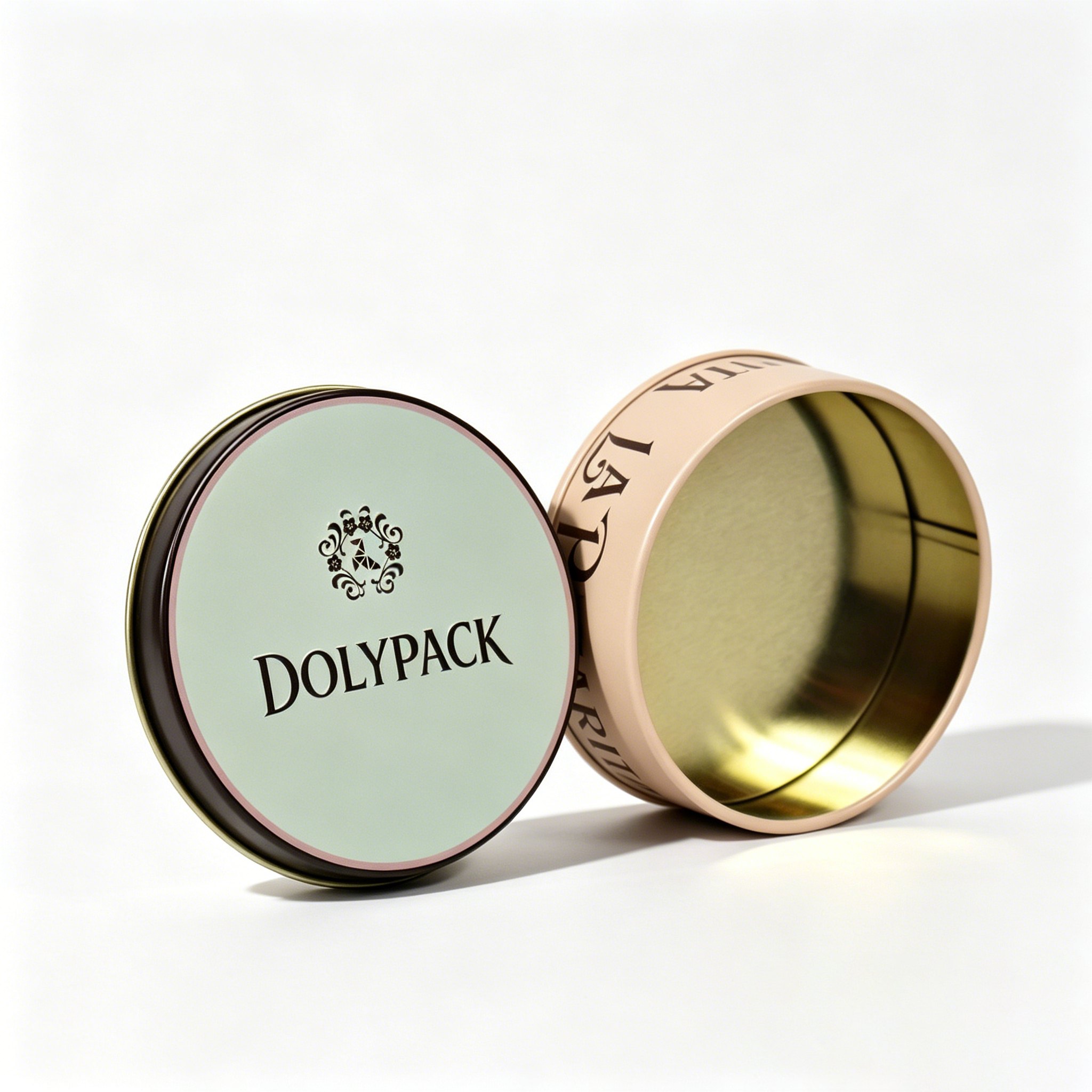
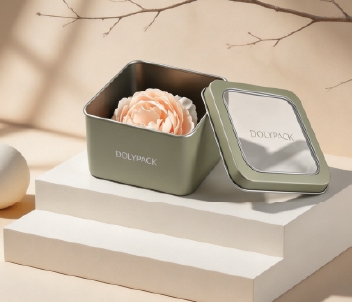
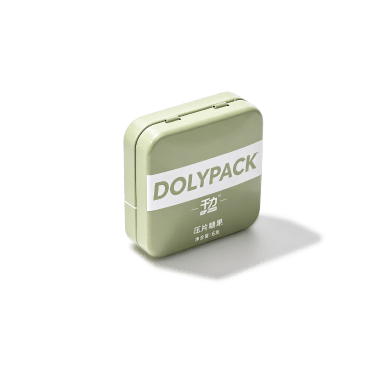
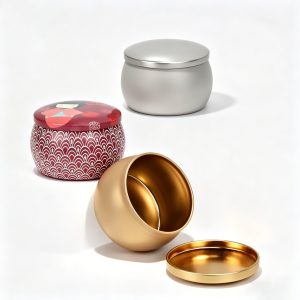
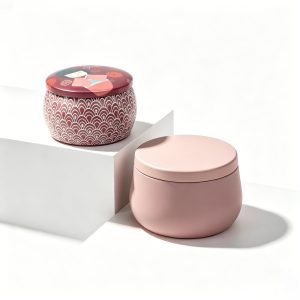
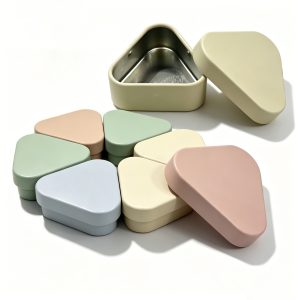
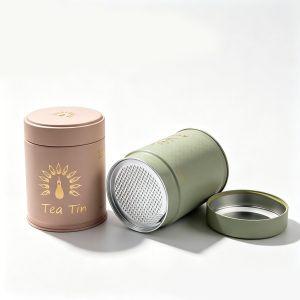
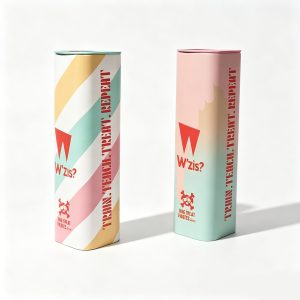
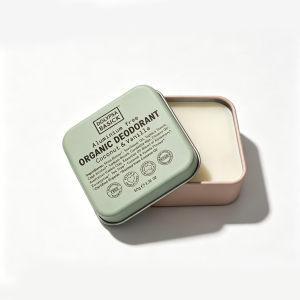
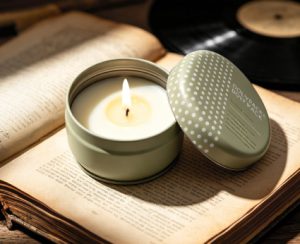
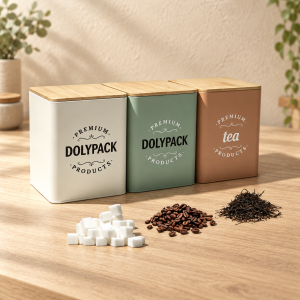
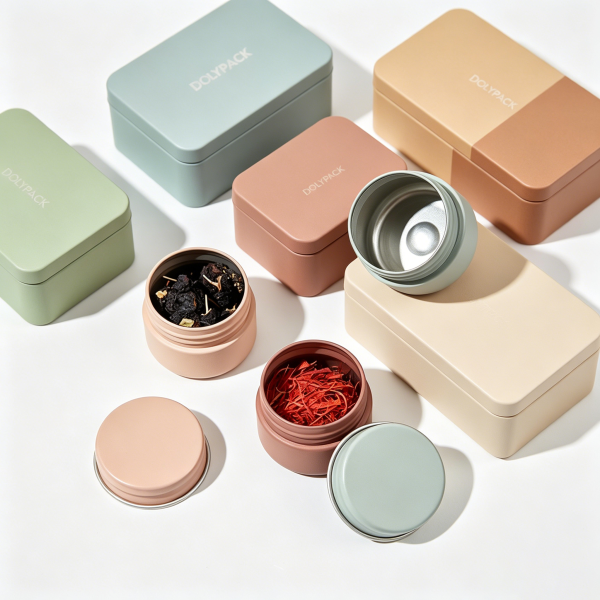
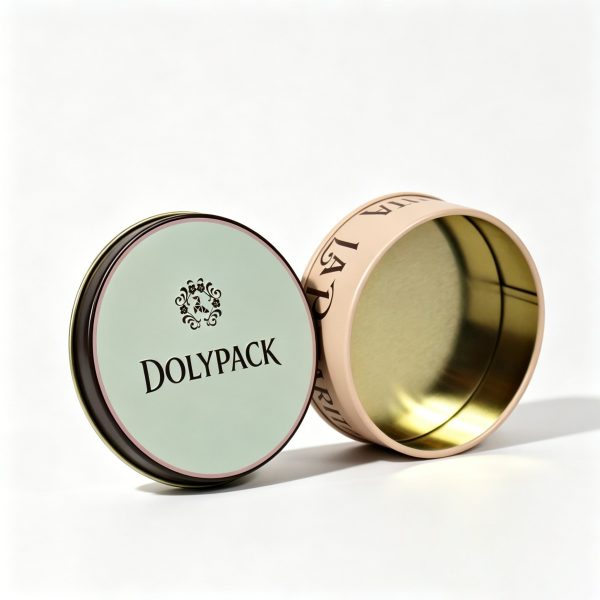
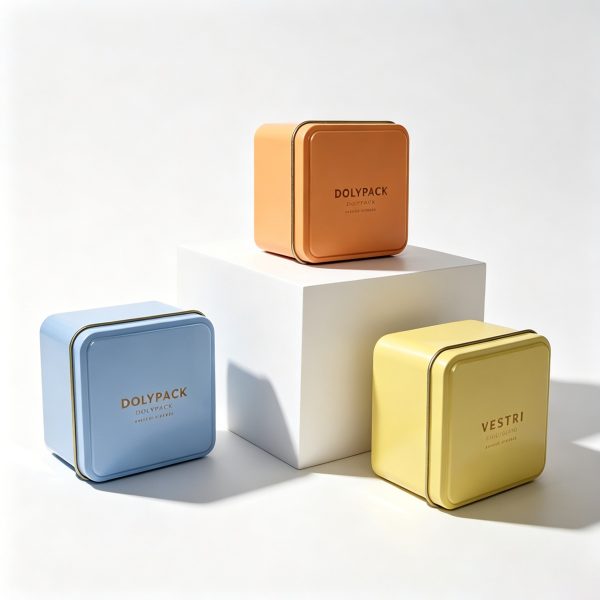
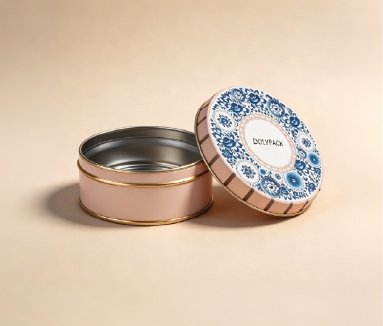
Tin cases show up across candles, cosmetics, food and candy, tea and coffee, gift sets, and general storage or craft reuse once the original product is gone. Round bodies pair naturally with slip or screw lids, square and rectangular formats lean toward hinged or 3-piece builds, and flat tins are sized for slim products like balms or mints. A resealable lid protects contents through shipping and repeat handling, and a printed or embossed surface reads as a gift item without any extra packaging layered on top.
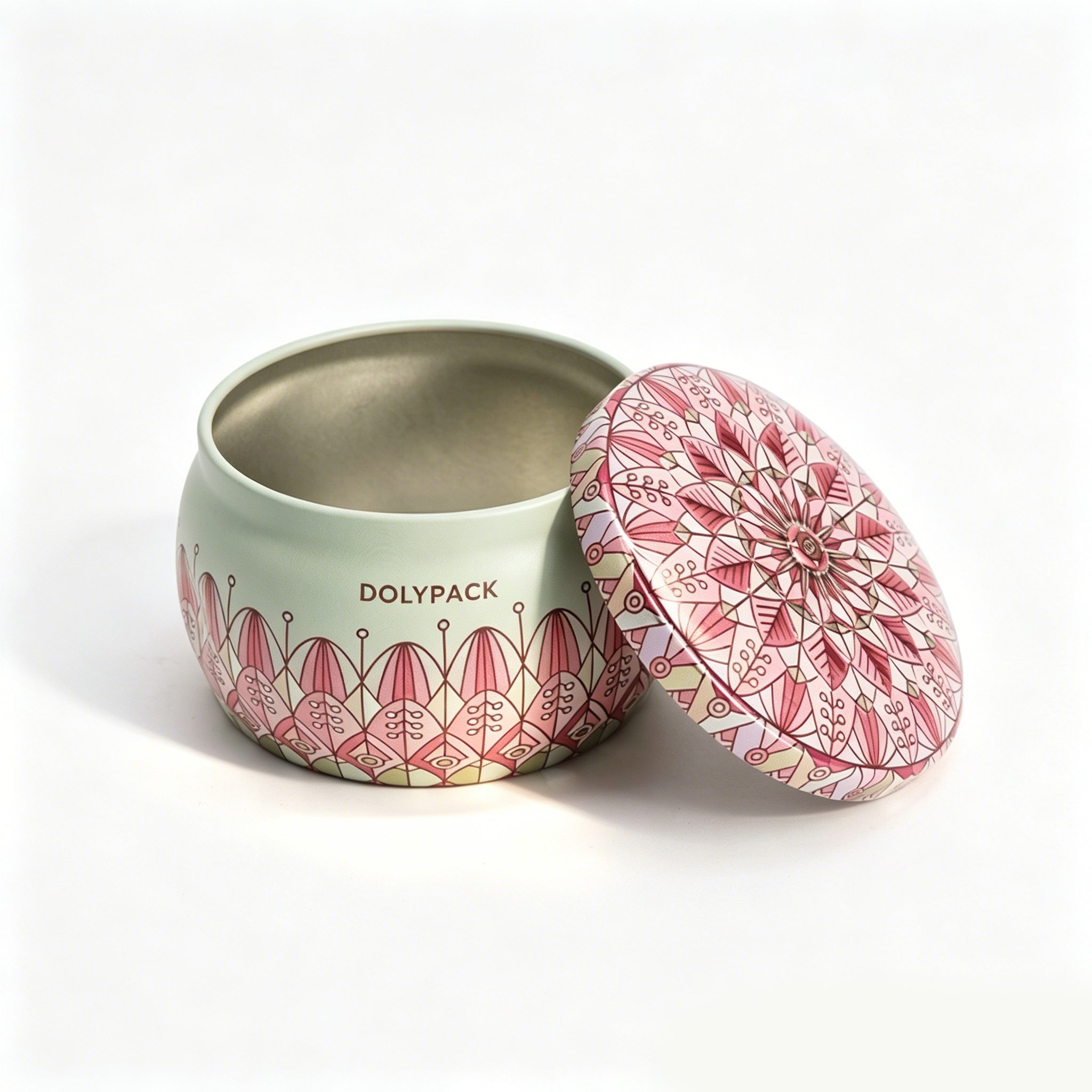
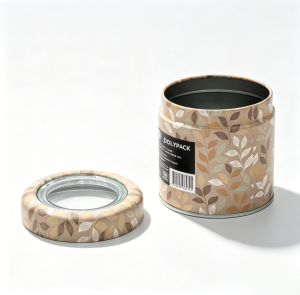
Tin cases hold up better than plastic or glass in transit, survive reuse after the original product is gone, and carry more shelf presence once printed or embossed. The trade-offs run the other way, too: a dropped tin dents in a way plastic just flexes through, cut edges can rust once the lacquer coating is scratched or worn in humid storage, metal weighs more per unit than plastic — which raises freight cost — and a solid body blocks any view of the contents unless a window is added. In practice, the lid is usually the first failure point in shipping, not the body, so closure choice matters more than material choice once you’re past the basic durability comparison. Round bodies specifically get their strength from how round tin construction is seamed and closed, and a fuller side-by-side sits where you can compare tin cases against plastic and glass.
If moisture resistance or repeat reuse matters for your product, reach out to talk through closure options before committing to a format.
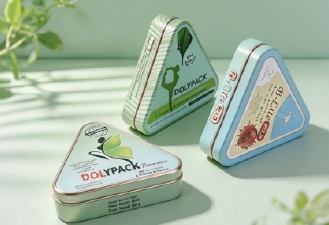
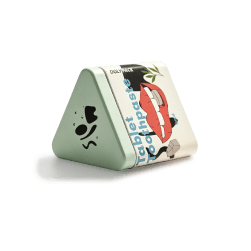
Off-the-shelf tins cover occasional gifting or storage needs, but a branded product line needs tooling matched to its own size, closure, and decorated finish — a step general retail listings skip. Because each closure and finish requires dedicated tooling, most manufacturers set custom-tin minimums in the thousands of units per SKU rather than quoting a flat number up front, and DOLYPACK confirms MOQ and production timing after reviewing the container drawing, artwork, and decoration method.
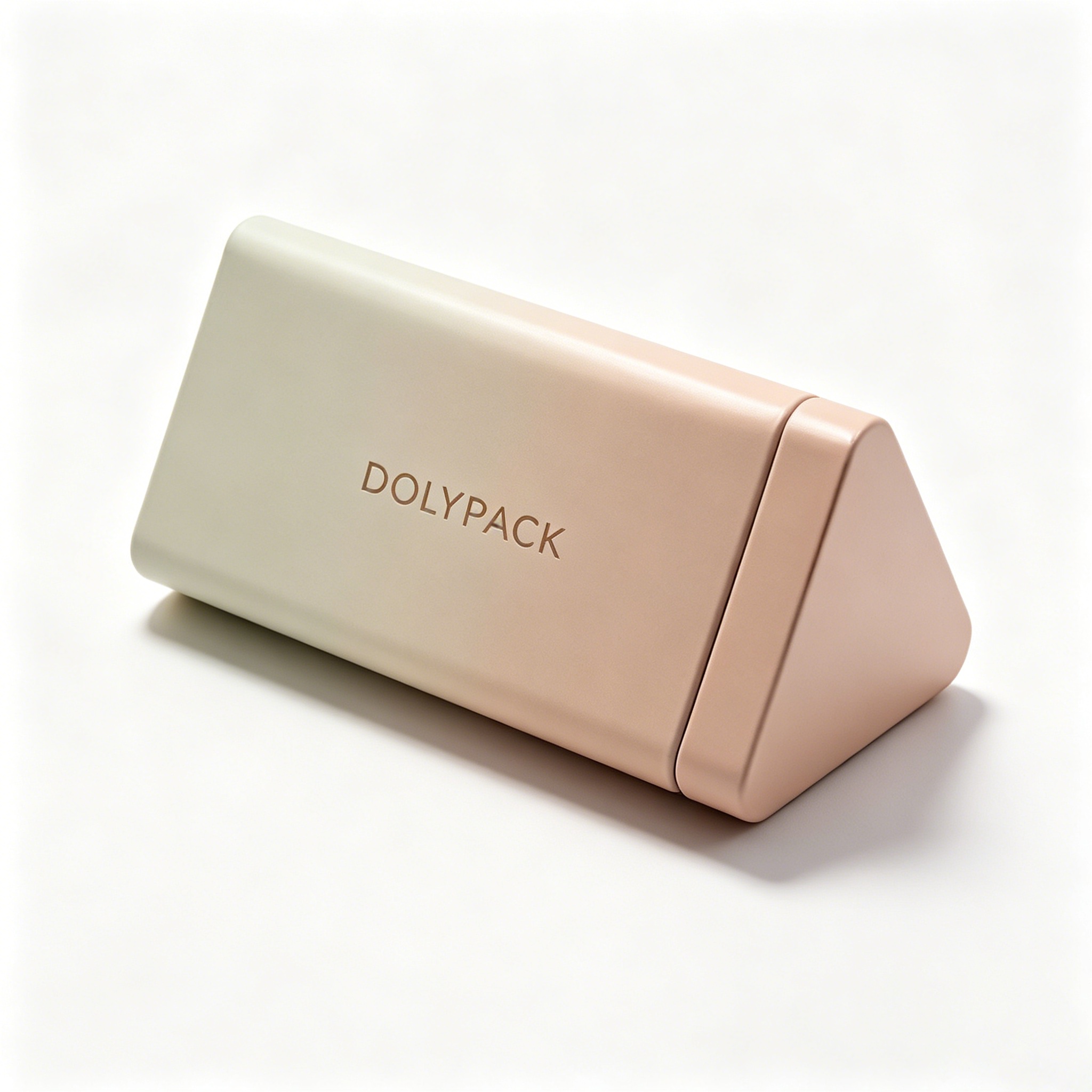
See the current range of aluminum and tinplate tin cases, or get in touch to review your specification.
Some vintage or licensed-brand tins — advertising designs, holiday editions, collectible artwork — can hold collector value. Most everyday tin cases, though, are inexpensive functional packaging rather than investment items, so value depends heavily on age, design, and rarity.
Tin boxes store and present small goods — candy, cookies, tea, cosmetics, candles, or craft and hobby supplies — while protecting the contents from damage and adding shelf appeal through printed or embossed designs.
Commercially, tin boxes are formed from tinplate or aluminum sheet, stamped and shaped using dies, then finished with printing or embossing. DIY versions are usually repurposed from existing tins rather than made from raw sheet metal at home.
Not quite — a tin can is typically sealed once for shelf-stable food, while a tin case is built with a lid meant to come off and go back on repeatedly, which is the more common format for gifting, cosmetics, and storage.
Mostly none. Both terms describe a small, lidded metal container, and which word gets used tends to come down to regional habit and the product category rather than any real construction difference.
Send your target material — aluminum or tinplate — fill volume, quantity, and preferred decoration method. We typically respond within 12 business hours with pricing and lead time.
Request a free aluminum tin sample to check quality before ordering. Review aluminum tin cost factors to budget your first run, or explore customization options for printing, finishes, and accessories.