Get a Quote
Before comparing shapes, sizes, or suppliers, it helps to know what the category is actually called and how ordering works in practice. Vocabulary in this trade is loose, MOQ depends more on your decoration choice than on the container itself, and sourcing routes vary in ways that affect both cost and lead time.
"Tin," "tinplate," "metal tin," "canister," and "tin box" are used interchangeably by suppliers and buyers alike — none carries a stricter meaning than the others in everyday listings. The one distinction worth keeping straight: tinplate is steel with a thin tin coating, while aluminum is a separate base metal entirely, with different weight, forming, and finishing behavior. Both end up marketed under the same "tin container" heading. Buyers who confirm "tin" only after a quote is underway sometimes discover the base metal was aluminum all along — ask directly before artwork is finalized, since ink adhesion and container weight differ between the two. For the full material-by-material breakdown, see the tin vs aluminum comparison.
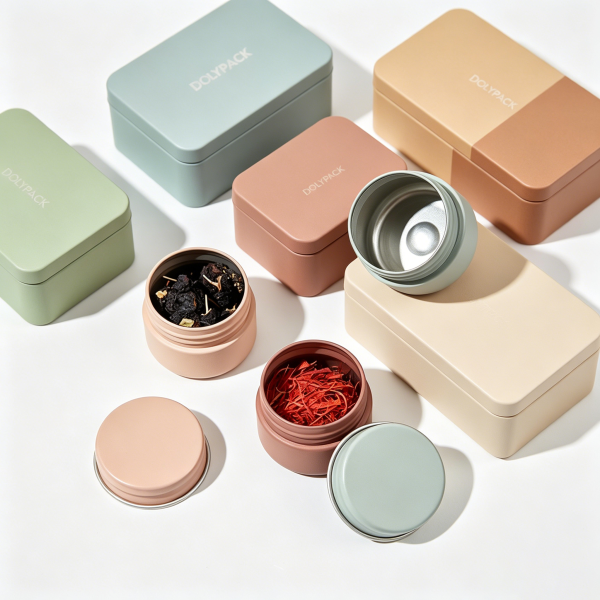
Match your product to a shape family, and its typical spec range, before comparing individual SKUs:
| Shape | Typical Size | Capacity Range | Lid Type | Common Fill |
|---|---|---|---|---|
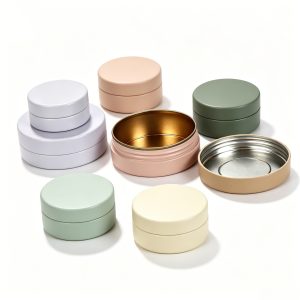
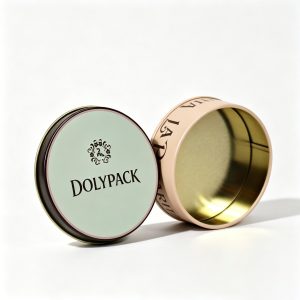
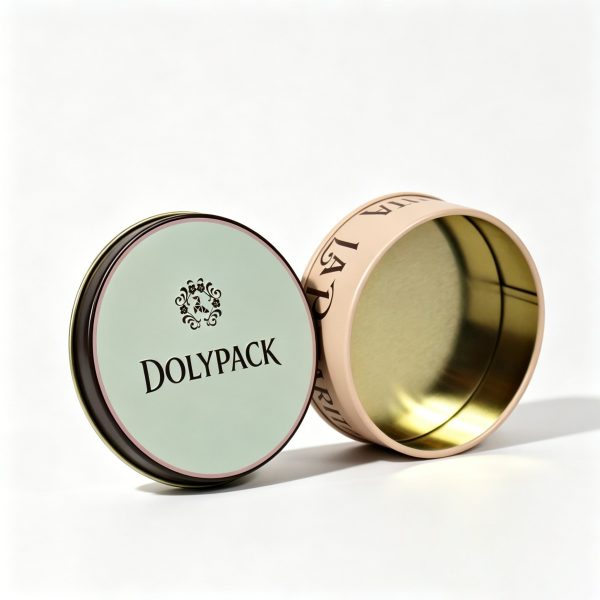
| Round tins | 50–150 mm diameter | 30 ml – 4 L | Slip/friction lid or lever lid | Candy, cookies, gift sets, candles |
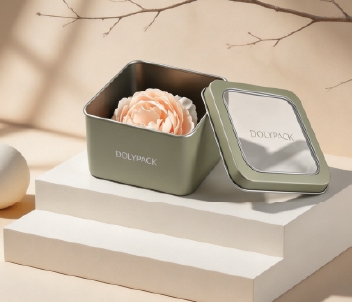
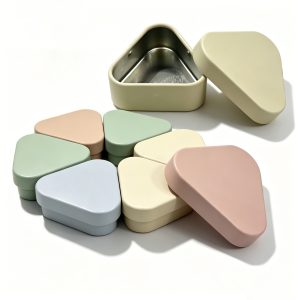
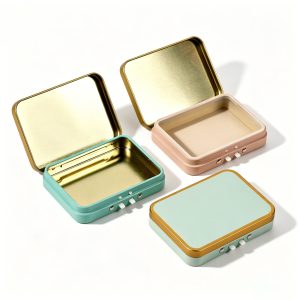
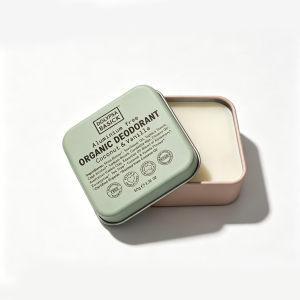
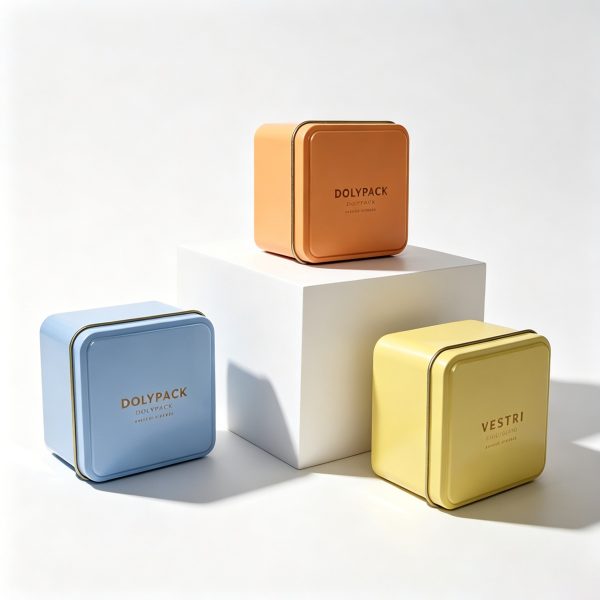
| Square & rectangular tins | 60–200 mm per side | 50 ml – 5 L | Hinged or slip lid | Soap bars, tea bags, gift kits |
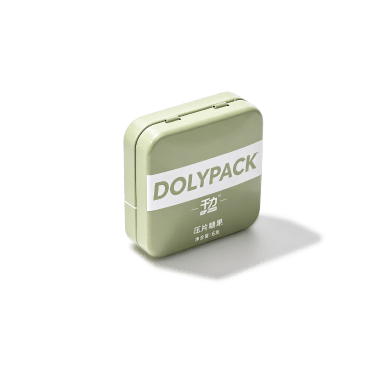
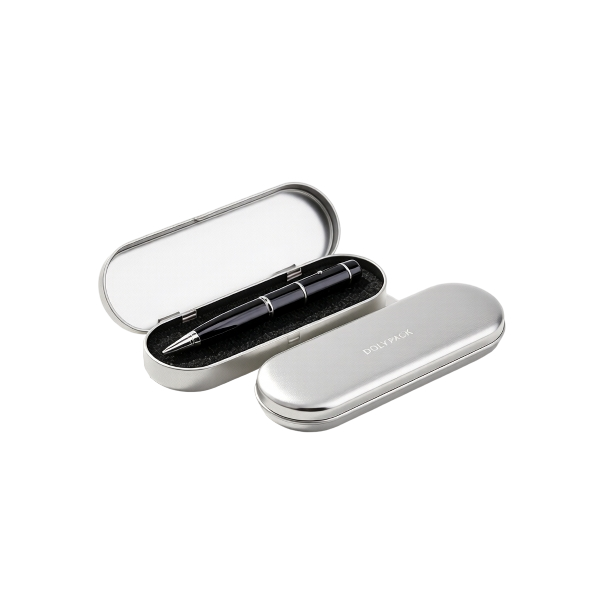
| Hinged tins | 40–120 mm | 15 ml – 500 ml | Attached hinged lid | Mints, small gift sets, kits |
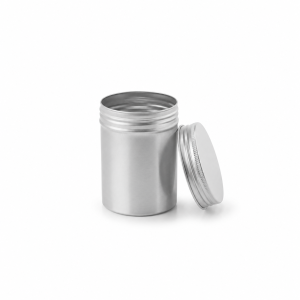
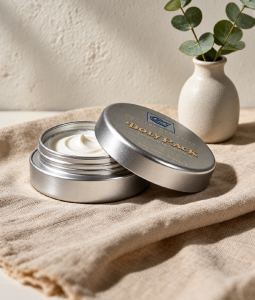
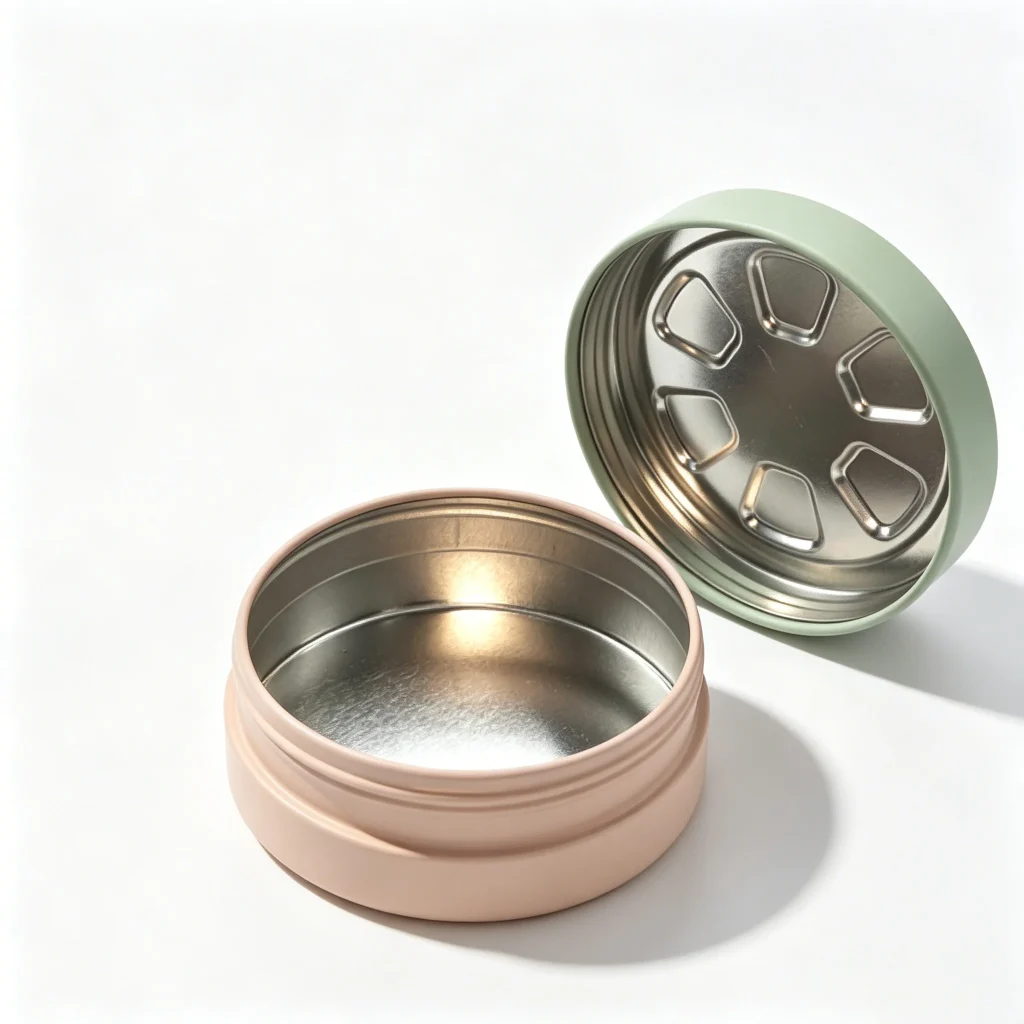
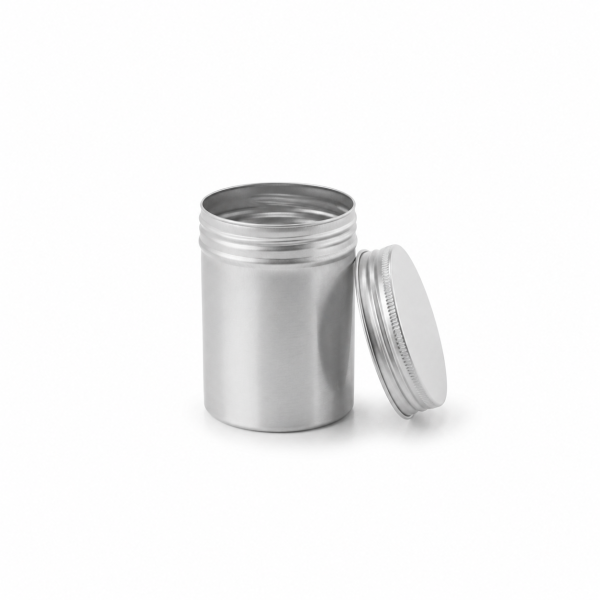
| Screw-top tins | 38-400 or 48-400 thread | 0.25 oz – 4 oz | Threaded screw cap | Lip balm, salves, waxes |
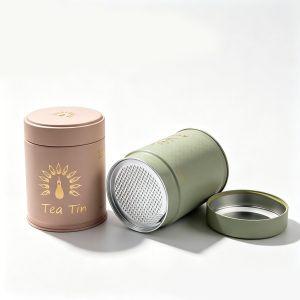
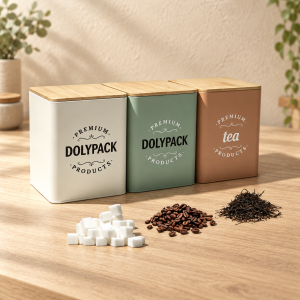
| Tea & storage tins | 70–130 mm diameter | 50 g – 500 g dry fill | Slip lid or airtight double lid | Loose tea, coffee, spices |
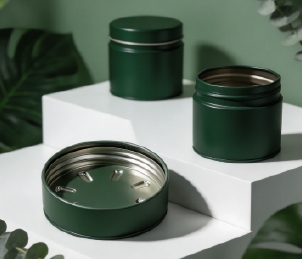
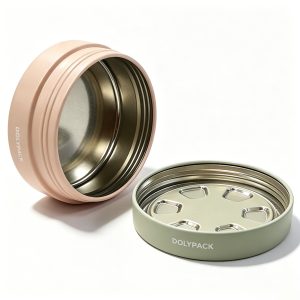
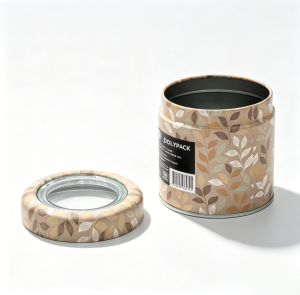
Round bodies pair with slip or friction lids across most of that range, covered in tin round box options. Square and rectangular bodies favor welded or interlocking seams for structural rigidity, detailed in the square metal tins guide. Threaded closures on screw-top tins run 38-400 or 48-400 in most catalogs, explained further in the screw top tins guide, and the smallest end of that range overlaps with the lip balm tins guide. Loose-fill capacity for tea and storage tins commonly runs 50–500 g depending on product density, broken down in the tea tin cans guide.
A container that measures correctly on a data sheet can still fit loosely after decoration if the lid tolerance isn't rechecked post-print — request a physical pre-production sample before mass production, not just a digital rendering.
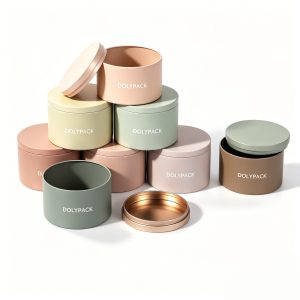
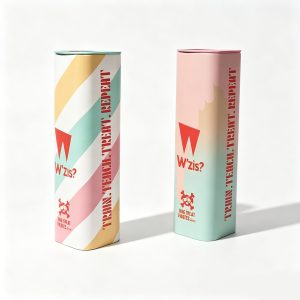
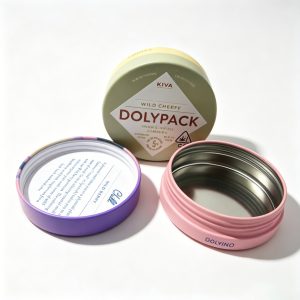
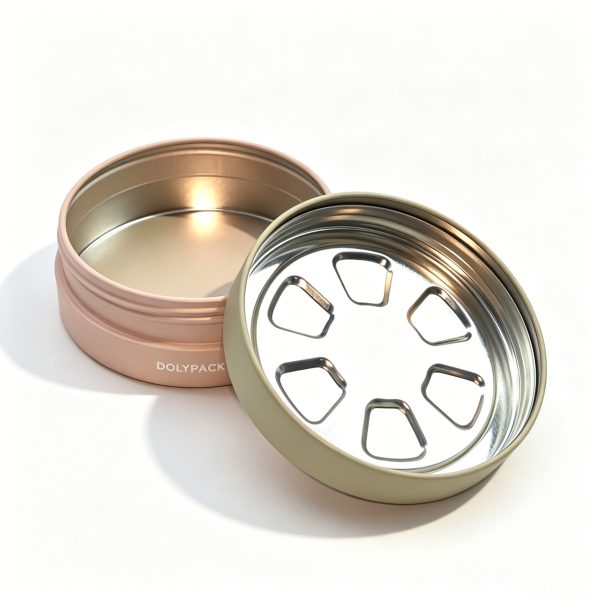
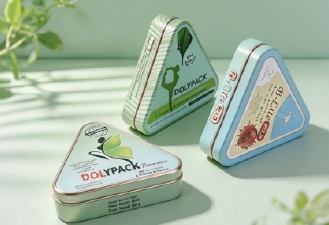
A factory-direct supplier's range is worth checking before you assume a shape doesn't exist off the shelf. DOLYPACK carries 441+ aluminum references and 195 tinplate references, with aluminum containers spanning 5 ml to 6,000 ml and tinplate edible oil cans running 75 ml to 20 L — wide enough that most requests start from an existing structure rather than a new tool. Quality checks run from incoming raw-material inspection through in-process checks during forming and printing, to a final pre-shipment inspection before export packing begins.
MOQ tracks the decoration method, not the container shape. No minimum order applies to laser marking, embossing, screen printing, or self-adhesive labeling; full-color printing, cut-outs, and custom color matching require the 5,000-unit tier because they involve dedicated tooling and setup. Treat the lead times below as planning windows — they shift once artwork is approved and the order is confirmed:
| MOQ Tier | Decoration Method | Indicative Lead Time |
|---|---|---|
| No minimum | Laser marking | 1 to 3 days |
| No minimum | Self-adhesive label | 4 to 6 days |
| No minimum | Screen printing | 5 to 7 days |
| No minimum | Emboss / deboss | 10 to 15 days |
| 5,000 units | Cut-out | 15 to 20 days |
| 5,000 units | Full-color printing | About 25 days |
| 5,000 units | Custom colors | About 25 days |
If you're testing a product line, laser marking or self-adhesive labels avoid the volume threshold entirely. Buyers who assume full-color costs scale down proportionally at lower volume are usually surprised it doesn't — quotes hold the per-unit rate flat until the order clears the 5,000-unit break, because that's exactly where the tooling and plate setup cost gets absorbed. A label run carries no such setup charge, which is the real difference between the two tiers, not the container itself.
A wholesale order generally moves through structure selection, size adaptation to your fill volume, printing and surface finish selection, functional accessories (seal pads, inner plugs, degassing valves, handles, tamper-evident options), sampling for approval, mass production, and export packing. The most common slip in this sequence is artwork submitted in RGB instead of CMYK — it gets bounced back for color conversion before sampling can even start, which is the single biggest avoidable delay on a first order. Full OEM/ODM support means each stage can still be adjusted before mass production locks in — review the OEM/ODM manufacturing process if your design isn't finalized yet.
Three sourcing routes cover most wholesale buyers:
A distributor quote that doesn't itemize tooling separately from the per-unit price is worth questioning — factory-direct quotes typically break the two apart so you can see exactly where the 5,000-unit threshold cost is going. Factory-direct sourcing also means production overseas with export shipping to your delivery address rather than a domestically stocked warehouse — DOLYPACK exports this way to more than 80 countries, the USA included, with no local storefront for same-day pickup. For a full range of shapes, sizes, and lid styles ready to configure, start with the Wholesale Tin Containers range.
Aluminum has a natural barrier against moisture and oxidation, which is why it's widely used for products sensitive to air exposure — coffee, powders, and edible oils among them. Beyond the base material, functional accessories like seal pads, inner plugs, and degassing valves protect contents further, particularly for coffee cans and edible oil cans. Ask which internal lining is used before committing to a fill — BPA-NI (non-intent) epoxy and acrylic are the two most common lining options for food and cosmetic-grade cans, and they behave differently with acidic or oily contents. Confirm the lining before sampling, not after — switching lining types partway through a project usually means resampling from scratch. For cosmetics and personal care lines, metal cosmetic jars draw on the same barrier properties for creams, balms, and powders.
Where can I buy metal containers in bulk?
Factory-direct manufacturers offer the best pricing and customization at volume; distributors suit smaller or mixed-order testing, and marketplaces suit fast, non-custom needs. Compare shapes in the Wholesale Tin Containers range before requesting quotes.
What are tin containers called?
Tin, tinplate, metal tin, canister, and tin box are used interchangeably across the trade. Tinplate (tin-coated steel) and aluminum are technically different metals, but both sit under the same "tin container" label in most listings.
Where can I find tin cans for sale?
The same three routes apply — factory-direct for volume and custom branding, distributors for smaller runs, marketplaces for pre-stocked designs. Wholesale quantities usually mean going direct to a manufacturer rather than a retail listing.
Do wholesale tin containers come with lids?
Yes, and closure type varies by shape — hinged, slide, screw-top, or slip lids are all standard depending on the container family. Threaded screw-top tins commonly use 38-400 or 48-400 fittings, as explained in the screw top tins guide.
Once the vocabulary, spec ranges, and MOQ tiers make sense for your decoration choice, the fastest next step is comparing actual container options. Visit Wholesale Tin Containers – Bulk Orders from a Factory to browse shapes and sizes, or contact DOLYPACK to confirm printing, finishes, and lead times before requesting samples.
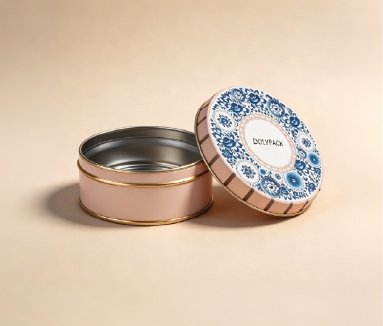
Send your target material — aluminum or tinplate — fill volume, quantity, and preferred decoration method. We typically respond within 12 business hours with pricing and lead time.
Request a free aluminum tin sample to check quality before ordering. Review aluminum tin cost factors to budget your first run, or explore customization options for printing, finishes, and accessories.