Get a Quote
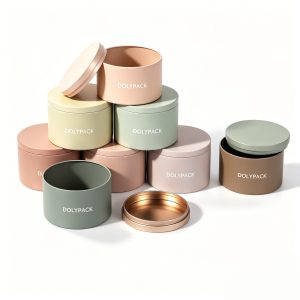
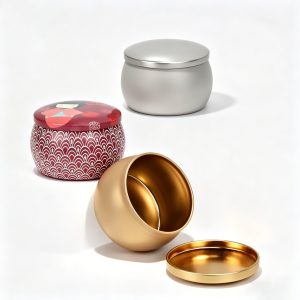
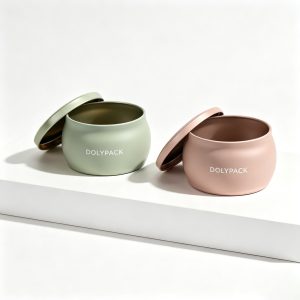
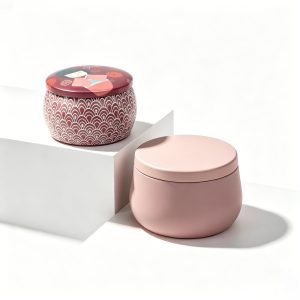

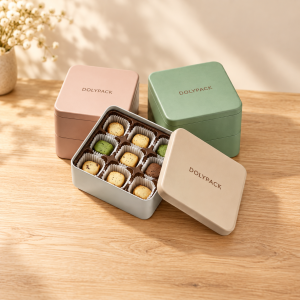
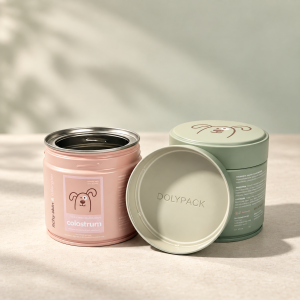
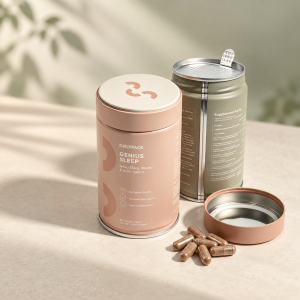
Tea Tins Wholesale
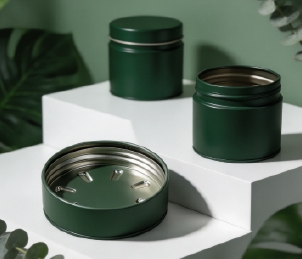
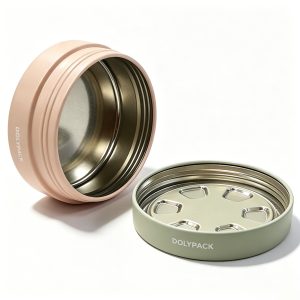
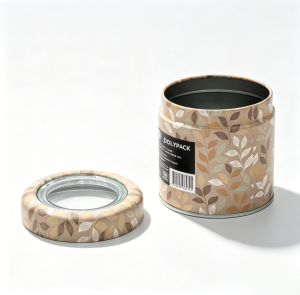
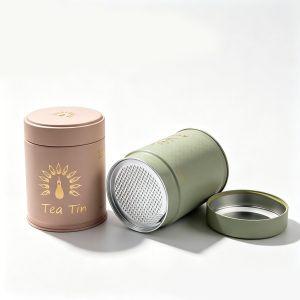
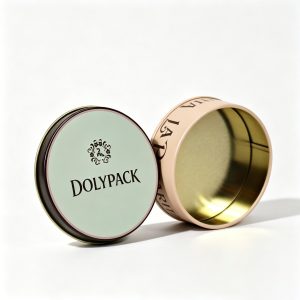
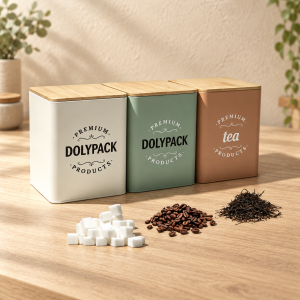
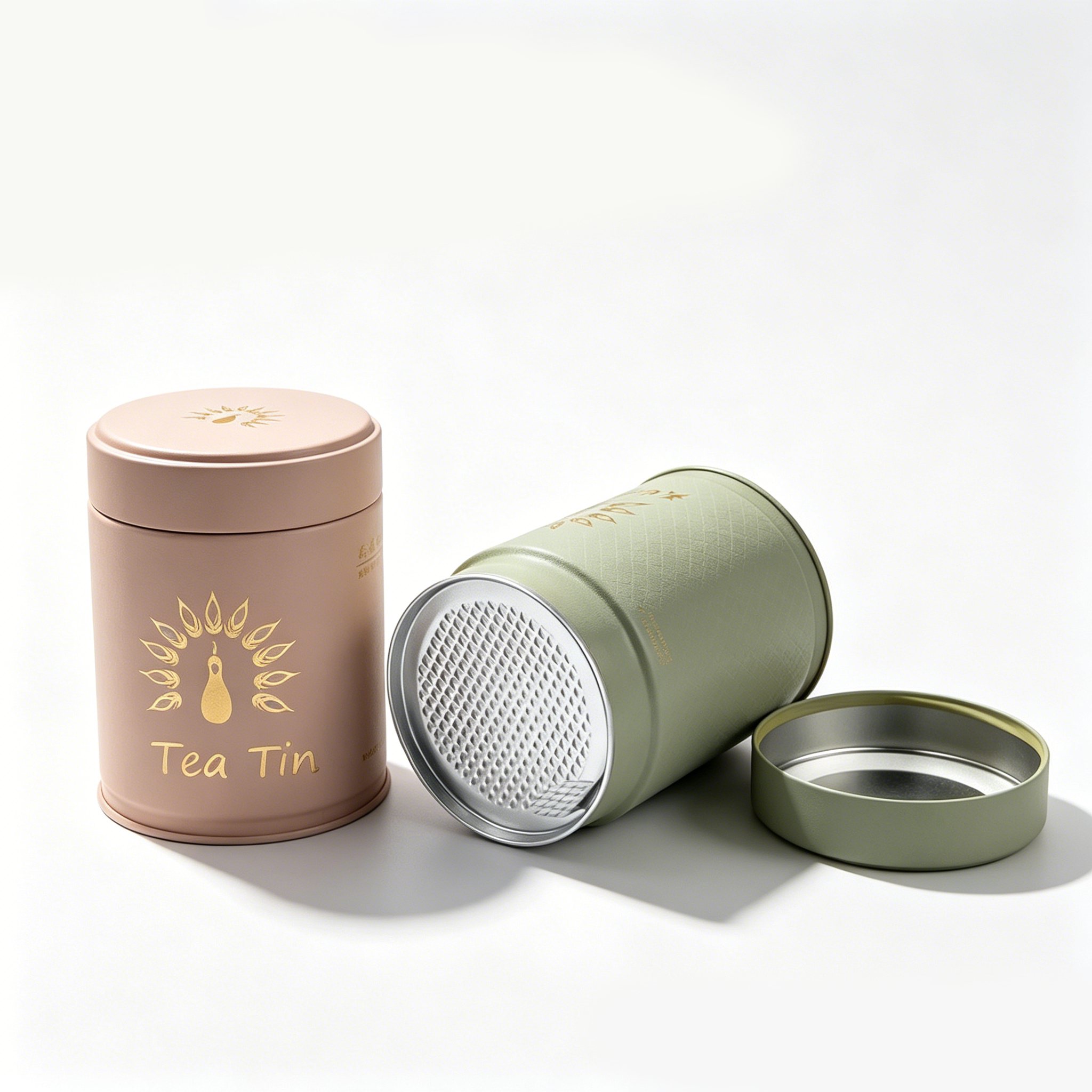
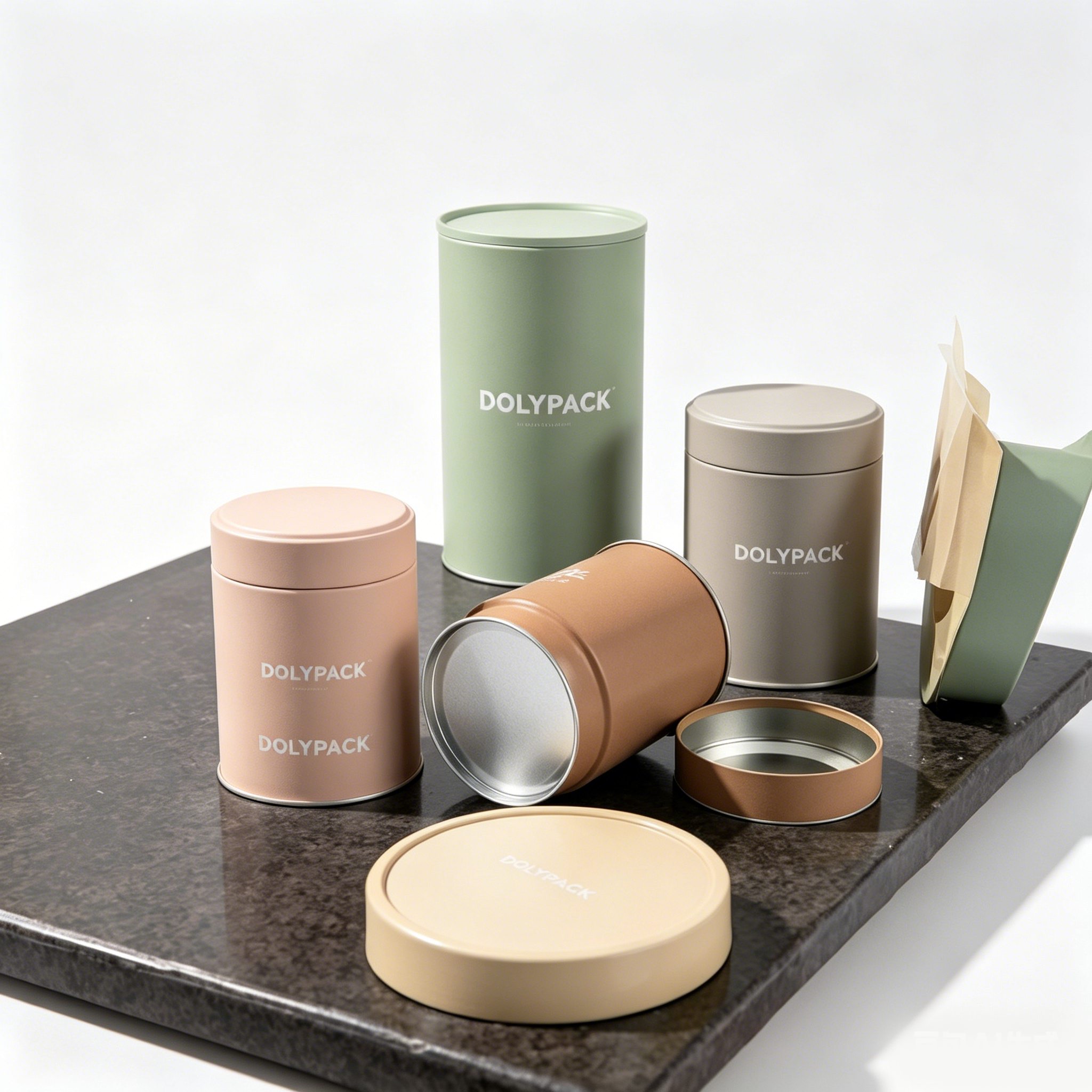
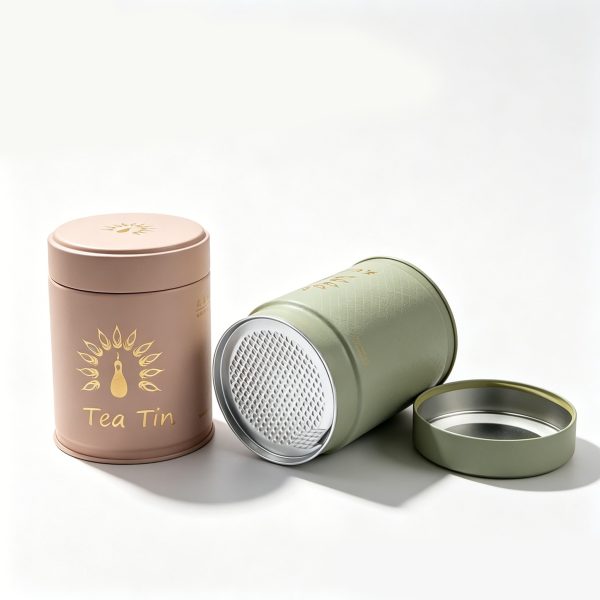
Tea tins wholesale orders cover loose-leaf tea, tea bags, and retail gift sets. The flagship format is a round double-lid tea can — an outer slip sleeve over an inner lid — suitable for direct-fill tea or tea packed inside an inner pouch.
Tea Tin Specifications
| Format | Dimensions | Capacity | Lid | Typical use |
|---|---|---|---|---|
| Round tea can (flagship) | Ø90 × 103 mm | ≈650 mL gross | Inner lid + outer slip lid | Loose-leaf tea, inner-pouch packs, gift formats |
| 1 oz metal tin | Set by the selected mold | ≈30 mL | Slip or screw, per mold | Tea samplers, sachet trial sizes |
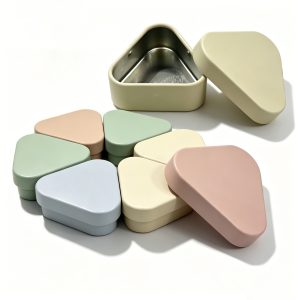
| Low-profile flat tin | Set by the selected mold | 60 mL | Flat slip lid | Flat gift tins, tea sachet flats |
| Low-profile flat tin | Set by the selected mold | 130 mL | Flat slip lid | Larger flat gift tins, gift-set inserts |
| Square tea tin | Set by the selected mold | Matches the round-format range | Slip lid | Shelf-facing retail tea |
| Cylinder tea tin | Set by the selected mold | Falls inside the 5 mL–6,000 mL catalog range | Slip or screw | Straight-wall loose-leaf packs |
| Property | Detail |
|---|---|
| Body material | Tinplate, food-contact-grade coating |
| Metal gauge | Set by the selected mold, at the standard weight used for slip-lid tea cans |
| Tolerance | Set against the approved drawing for the chosen model |
| Carton quantity | Set during export packing at sample approval |
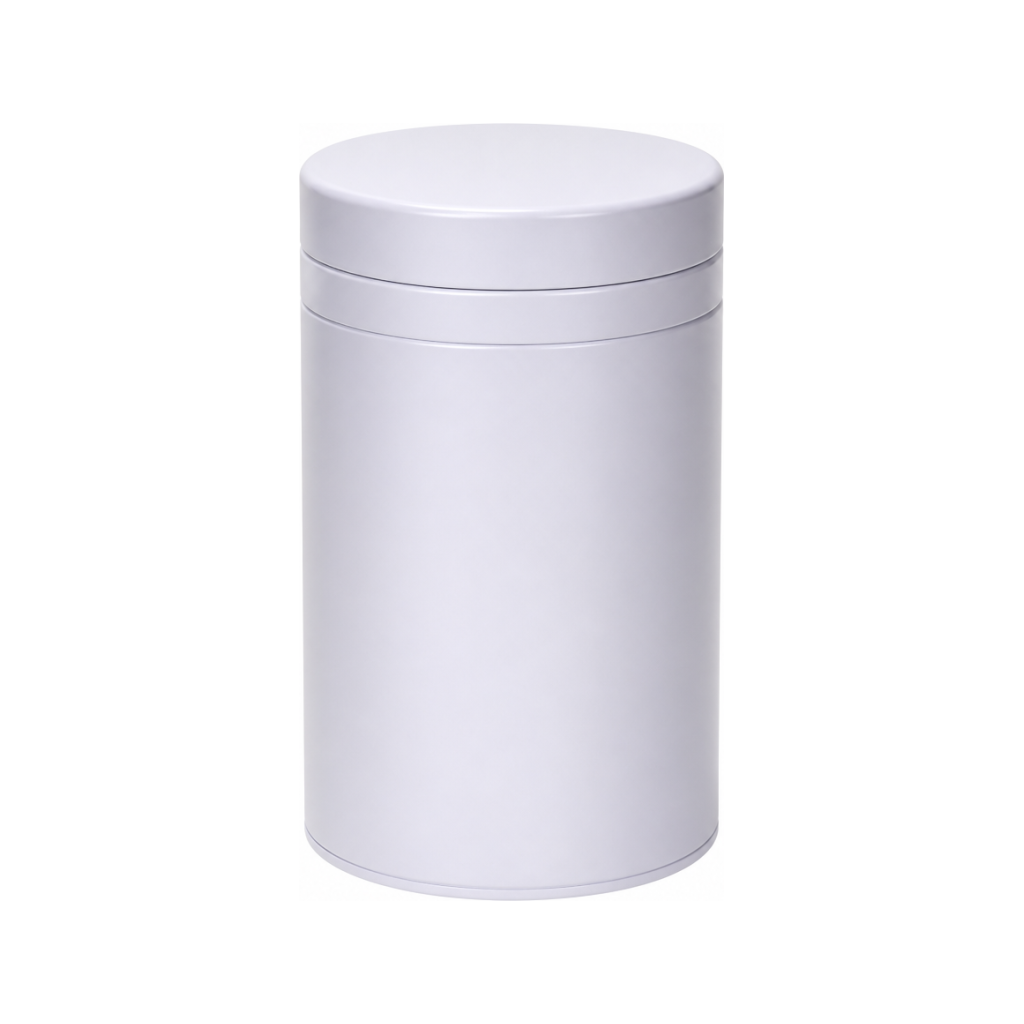
Large whole-leaf tea occupies more volume than fine broken tea at the same net weight, and settling during transit changes the required headspace. Providing the intended net weight and an actual tea sample against the target dimensions confirms the fit before a production order.
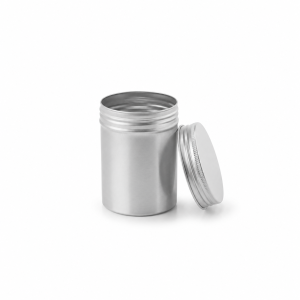
For a threaded closure instead of the standard slip fit, see the screw-top tins range.

Shape
Choosing a Tea Tin Shape
-

Square tins
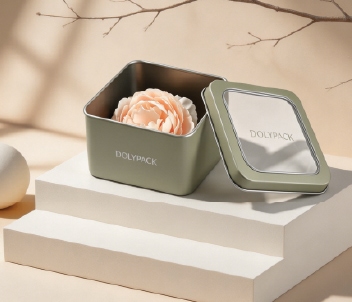
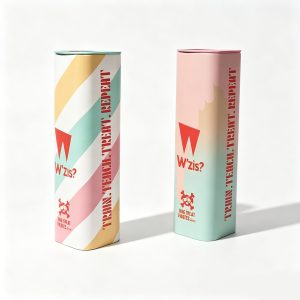
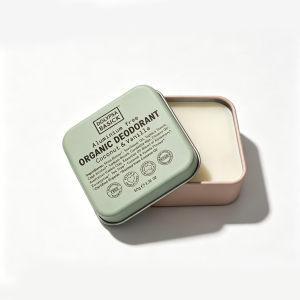
Choose a square profile when you need a flat shelf face, sharp full-color printing, and tighter carton stacking. See square metal tins for the available dimensions.
-
Round or cylinder tins
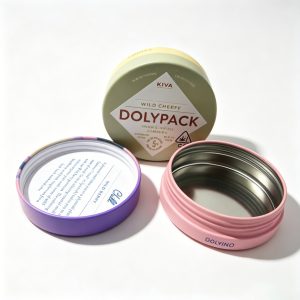
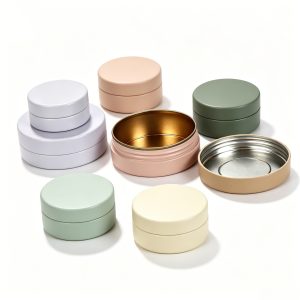
Round tin box options cover different diameters and heights, as well as hinged, latch, or window lids instead of the standard double-lid slip closure. For a straight-wall design without the double-lid detail, see cylinder tins.
-
Gift-set packaging
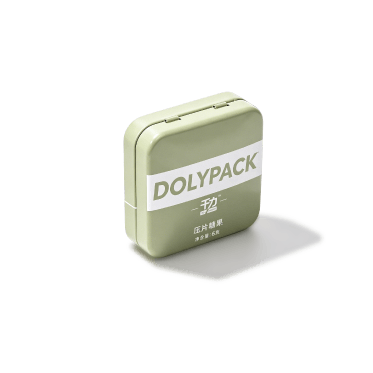
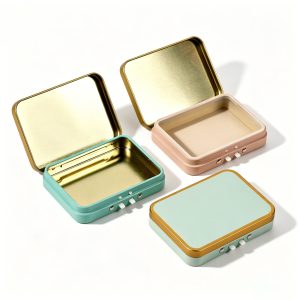
For several tins or sachets packed together, rectangular tin boxes or flat tins can serve as the outer gift box around a smaller round tea tin.


Customization for Tea Brands
Printing
CMYK, Pantone spot colors, labels, screen printing, and hot foil
Branding
Embossing, debossing, and laser marking
Finishes
Matte, glossy, frosted, metallic, or lacquer
Structure
Inner lids, window details, or inserts where the chosen mold supports them
Artwork for print or emboss is prepared as a vector file — AI, EPS, or vector PDF — with text and graphics kept clear of seams, lid overlap, hinges, and corner radii. Embossing depth depends on the tinplate gauge and body curvature, and bold shapes hold their definition on a die better than fine line detail.
The same print-and-emboss line also runs the aluminum candy tins format and the aluminum clay mask jars line. This can help when you are sourcing more than one product line from a single supplier.
Freshness & Seal Performance
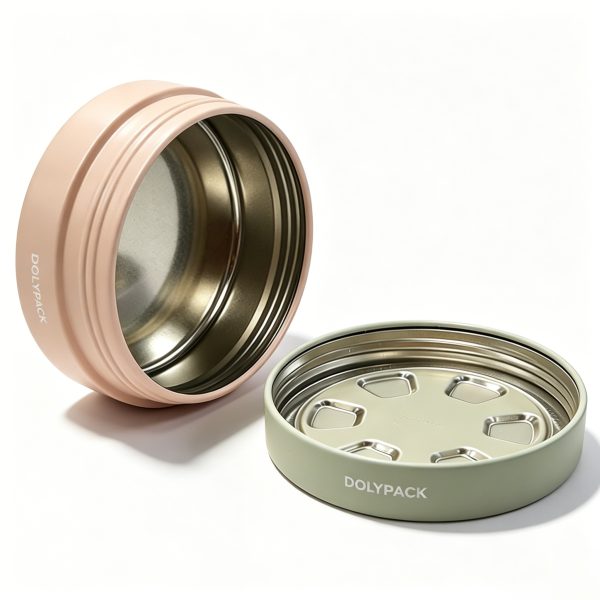
The double-lid design is air-restrictive and light-blocking: the outer sleeve keeps the inner lid seated during transit, and the tinplate body blocks light completely, which slows tea degradation more than most dry-goods packaging materials. It is not a hermetic, gasket-sealed closure.
Tea consumed within a month or two generally does fine in the standard double-lid fit. Tea intended for months of storage, or higher-value delicate leaves, typically also uses an inner pouch or heat-seal bag inside the tin rather than relying on the lid fit alone.
For tea filled directly into the container, provide the tea type, destination market, and any required food-contact documentation so the applicable coating information for the selected tin can be confirmed.
MOQ, Sampling & Lead Time
-
MOQ is decoration-driven
Order quantity depends more on decoration complexity than tin shape.
-
Lower-volume options
A single-color label or laser mark applied to an existing mold usually sits at the lower end of the order range.
-
Higher-volume options
Full-color printing, a new body color, cutouts, or window details require higher quantities because new tooling may be needed.
-
Sampling and lead time
Stock-mold, single-color samples generally turn around faster than new-tooling, full-color runs. The final schedule is confirmed after decoration and tooling requirements are reviewed.
-
Project flow
Shape and size selection → artwork, finish, and accessories → sampling → production → export packing. The sample confirms fit, lid operation, print position, and finish before approval.


Tea Tins for Coffee, Candy & Beyond
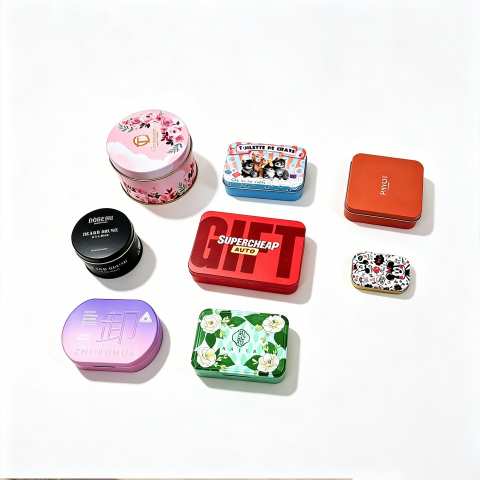
The same tinplate tooling and decoration process that builds a tea tin also supplies coffee and confection packaging, so a brand running tea alongside a second dry-goods line doesn’t need a separate manufacturing relationship.
Fill logic, closure choice, and print setup for tea tin cans and coffee packaging follow the same review process described above.
FAQ
What determines the price tier for a bulk tea tin order?
Tin size, decoration method — label, single-color print, full-color print, or emboss — and order quantity together set the price tier. A firm price is confirmed after the finalized specification and artwork are reviewed, since printing setup and tooling need vary by project.
What file format do you need for printing or embossing artwork?
Vector files — AI, EPS, or vector PDF — are required for both print and emboss/deboss work, with text and graphics kept clear of seams, lid overlap, hinges, and corner radii so the artwork survives production without distortion.
Is there a tooling cost for a custom tea tin?
An existing mold carries no tooling charge. A new body shape, cutout, or window detail requires new tooling, and that cost is quoted only after DOLYPACK reviews the container drawing and finalized artwork.
What shipping terms apply to a wholesale tea tin order?
The applicable Incoterm and shipping method are confirmed with the quote, based on destination country, order volume, and packing requirements — this is set alongside MOQ and lead time once the specification is locked in.
Related Products
You May Also Like
Other popular tin and metal packaging from our in-house catalog.
Request Tea Tin Samples and Pricing
For a quotation, provide the tea type and net weight, direct-fill or inner-pouch method, preferred shape and lid, quantity, artwork, and destination country. An existing container drawing or filled reference pack helps match a current mold before MOQ, sample route, printing area, and packing are confirmed.