Get a Quote
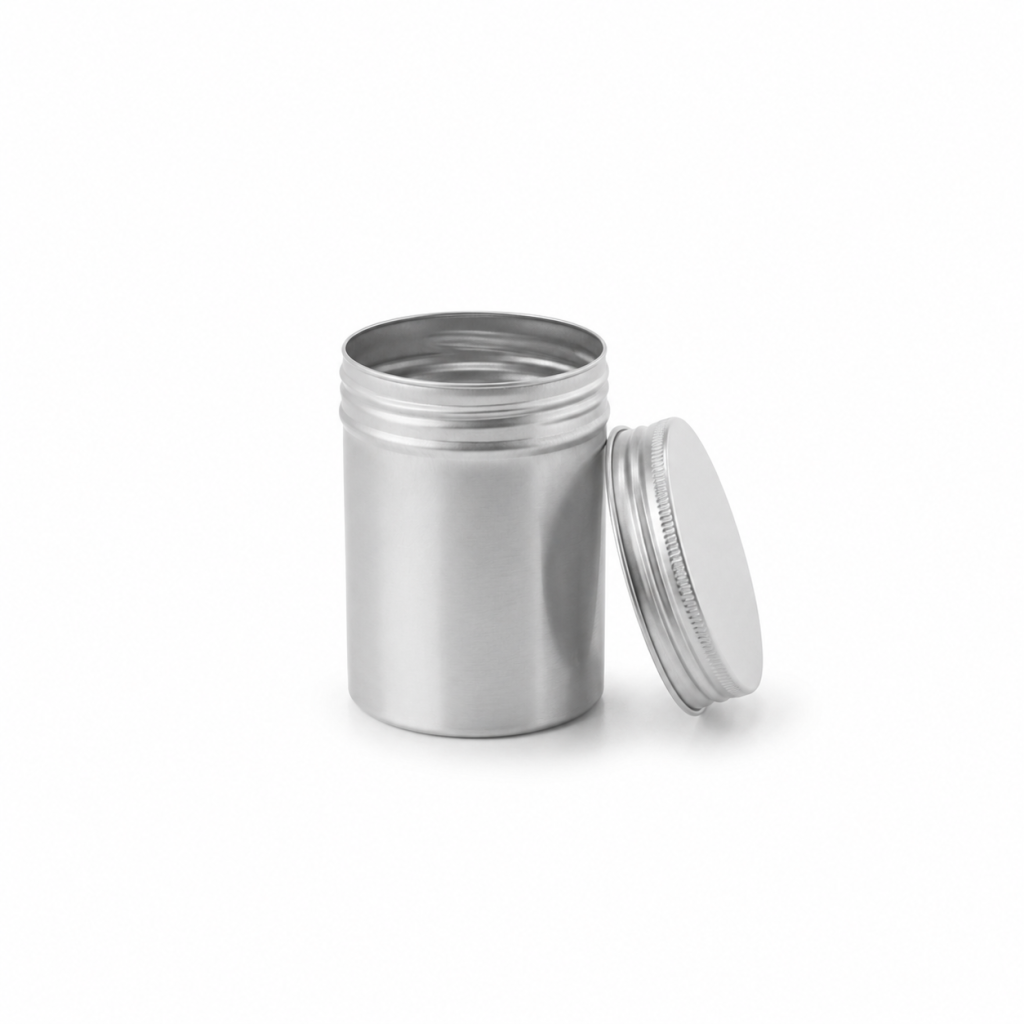
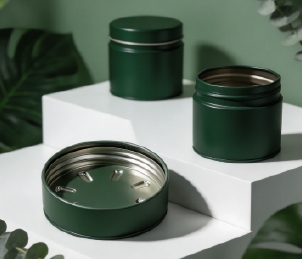
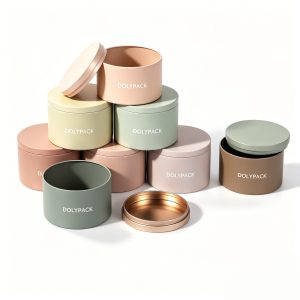
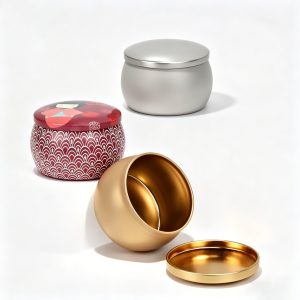
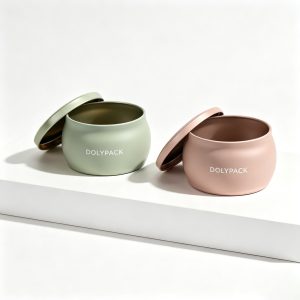
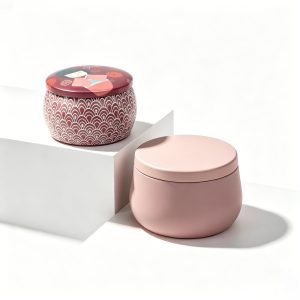
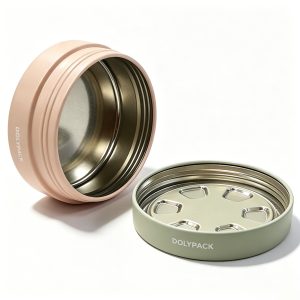
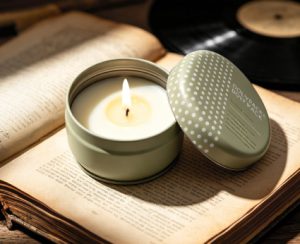
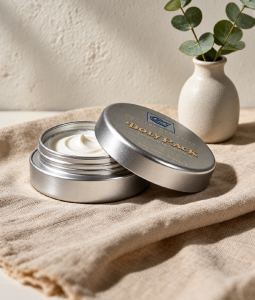
A jar candle with lid is a container candle — wax and wick poured directly into a jar — sold or used alongside a matching cap that covers the opening whenever the candle isn’t burning. The term describes two separate components: the jar, which holds the wax and gives the candle its shape, and the lid, an accessory that sits on top. Some retailers sell the two as a fixed set; others sell jars and lids separately so refill programs, private-label brands, or custom decoration can mix and match.
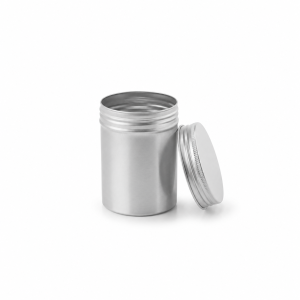
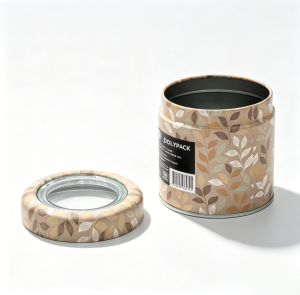
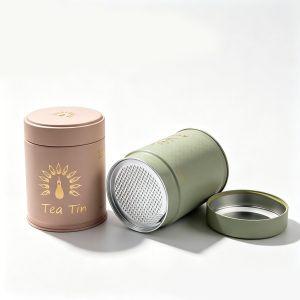
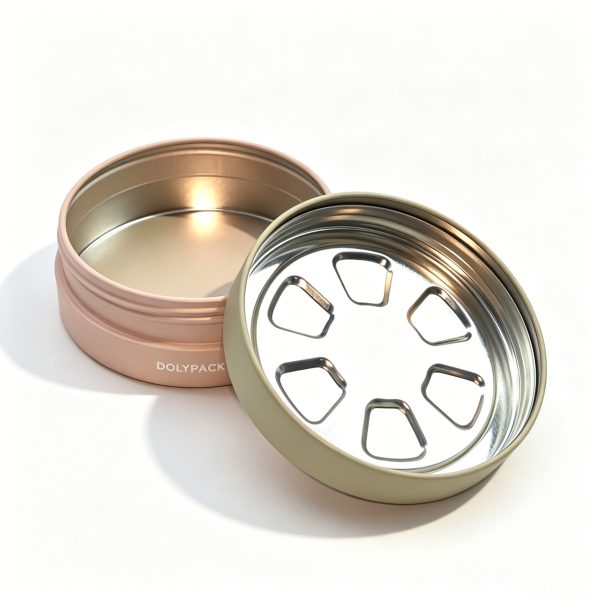
Jars can be glass, metal (aluminum or tinplate), or occasionally ceramic. The lid material and fit vary by jar type, which is why a lid made for one jar rarely fits another without a compatibility check.
DOLYPACK manufactures aluminum and tinplate candle jars and lids — not glass, which the company does not produce. The metal sections below draw on that manufacturing background; the glass section reflects general material science rather than direct production experience.
A lid isn’t only decorative. It does three practical jobs:
A candle flame itself burns around 1,400°F (760°C), but the wax pool and the jar’s inner wall it actually touches typically stay well under 200°F (93°C) during normal use. That’s nowhere near aluminum’s melting point of about 1,220°F (660°C), which is one reason aluminum jars and lids hold their shape and thread engagement over repeated open-and-close cycles rather than warping the way some plastics can near a hot wick.
Lid style is usually chosen to match how the jar closes:
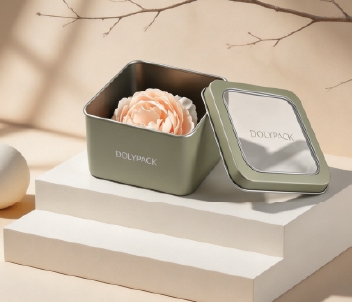
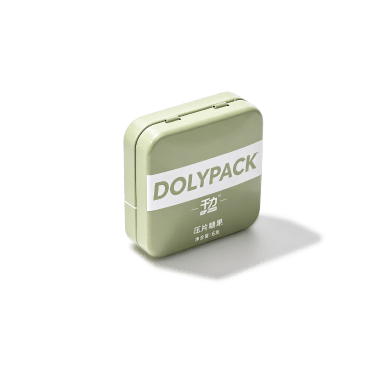
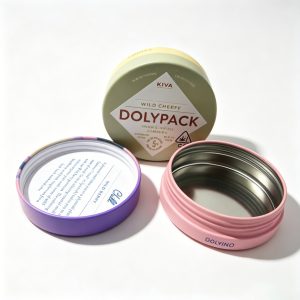
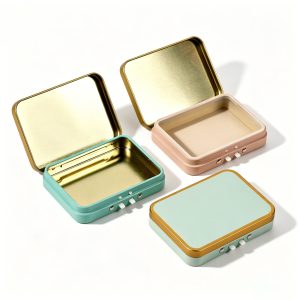
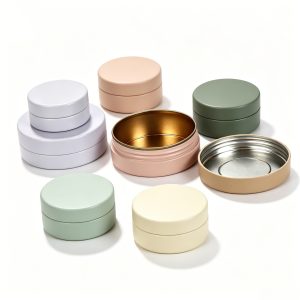
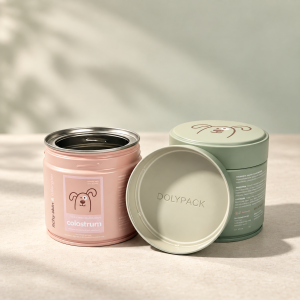
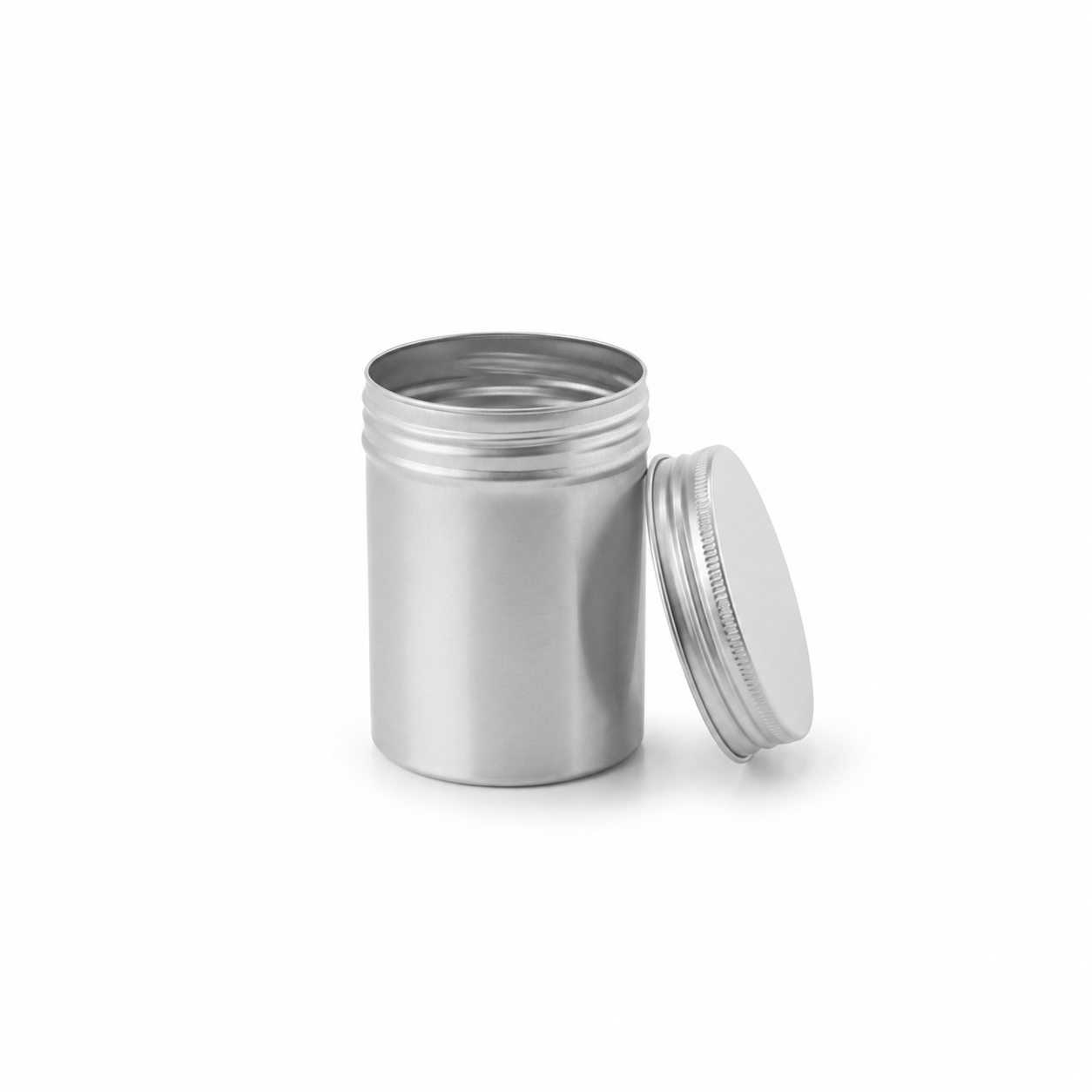
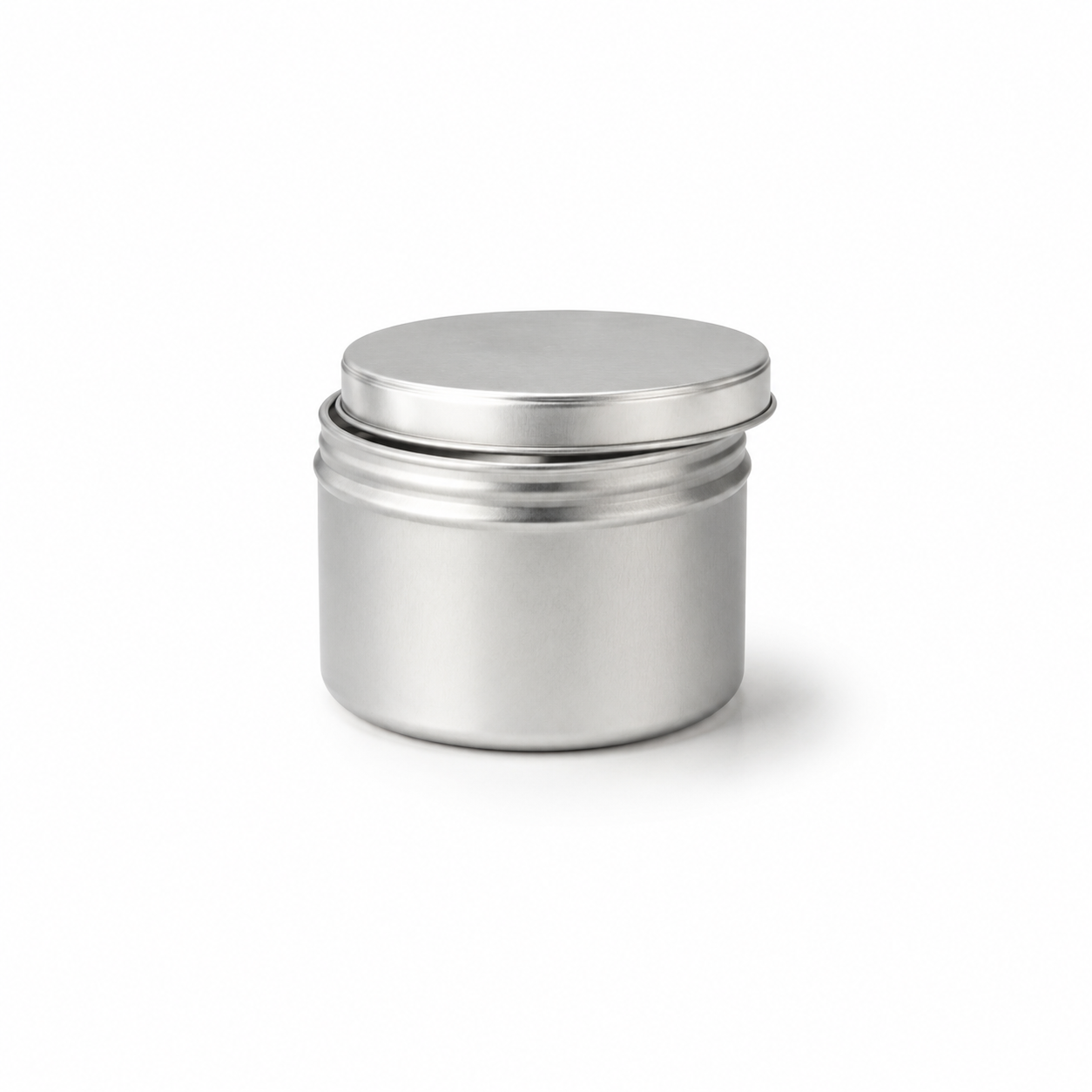
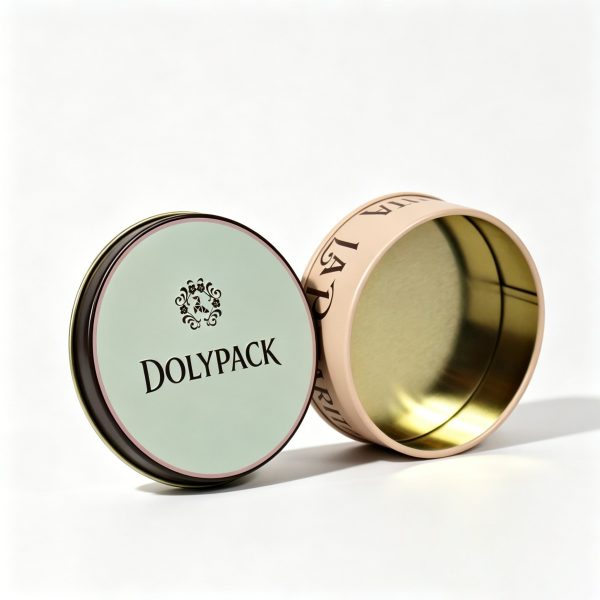
Tinplate lids use a rolled or curled edge that seats against the jar rim for a tight, reusable close — the same rolled-seam approach used across tin containers with lids. Brands standardizing on metal closures for a full product line can also review Metal Candle Lids as a stand-alone component.
Most glass candle jars are annealed (soda-lime) glass, cooled slowly during manufacture so internal stress releases evenly. That’s fine for the low, steady heat a wick produces over normal use. Tempered glass is cooled rapidly instead, leaving surface compression that resists sudden temperature swings — but it’s uncommon in candle jars, since the heat from a wick builds gradually and stays localized rather than hitting the glass all at once.
Annealed glass can still crack from thermal shock: lighting a candle right after it’s been sitting in a cold car, or letting a wick burn too close to one section of the wall for too long, both create an uneven temperature gradient the glass can’t absorb. Glass also expands slightly as it warms, so a friction-fit lid can feel tighter right after the jar has held a hot wax pool and started to cool — forcing a stuck lid off while the jar is still warm risks chipping the rim. Because metal conducts and radiates heat faster than glass, a glass jar also stays noticeably warmer to the touch for longer after the flame is out than an equivalent metal jar would.
Wax fill and burn time scale with jar volume, though actual numbers shift with wick size, wax type, and fragrance load. As a general reference:
| Jar Size | Common Lid Type | Typical Wax Fill | Approximate Burn Time* |
|---|---|---|---|
| 4 oz | Screw or slip lid | ~3.5–4 oz wax | 15–20 hours |
| 8 oz | Slip or click lid | ~7–8 oz wax | 30–40 hours |
| 10 oz | Threaded metal lid | ~9–10 oz wax | 40–50 hours |
*Approximate — actual burn time depends on wax composition, wick size, and how the candle is burned.
Larger formats follow the same jar-and-lid logic scaled up; a 16 oz candle jar uses a wider, deeper vessel with a proportionally sized lid.
Once a candle burns down, the jar doesn’t have to go in the trash. Let leftover wax cool and harden completely, then loosen it by freezing the jar for an hour or running hot water around the outside — either method usually lets the wax pop or slide out in one piece. Wipe the inside with a paper towel, then wash with warm, soapy water to clear residual fragrance oil. Store the lid separately rather than leaving it loose on a shelf, since grit or moisture trapped against the rim can dull the finish or make threads stick over time.
An empty jar candle with lid means the container and closure without wax inside — bought as single units for DIY pouring at home, or ordered unfilled in bulk for a private-label fill program. The Wholesale Tin Containers Guide walks through how sourcing and minimums typically work at that larger scale.
Before ordering a jar-and-lid combination in quantity, a short checklist helps:
Thread pitch, wall gauge, and how those pair with wax fill specifically in metal containers are detailed in Candle Tin Jars Explained: The Complete Guide. Once jar size, lid style, and decoration are settled, Aluminum Candle Jar Manufacturer is where that spec turns into a bulk order. Get in touch to have your container and artwork reviewed directly.
Craft suppliers, candle-making retailers, and general housewares stores typically stock glass jars with lids in a range of sizes and finishes. DOLYPACK does not manufacture glass — its jars and lids are aluminum and tinplate, a metal alternative for brands that want a closure that holds its fit through repeated reuse.
There’s no single “best” — well-known consumer brands sell jarred candles in glass with metal or wood lids, each with different fragrance lines, burn times, and price points. The right choice depends on scent preference, burn time, and budget rather than one universal winner.
Glass jar candles are generally safe when basic practices are followed: keep the wick trimmed to about a quarter inch, burn on a stable, heat-resistant surface, and never leave a lit candle unattended. These are common consumer guidelines, not a certification claim.
It’s common practice — not a formal regulation — to avoid burning any candle longer than three to four hours at a stretch. Burning past that window can overheat the container, create excess soot, or shrink the wick tunnel unevenly.
Many suppliers sell jars and lids separately so brands can refill, mix finishes, or swap decoration without replacing the whole container. Others bundle a matching jar-and-lid set as one fixed product, which simplifies ordering but limits mixing lid styles across a product line.
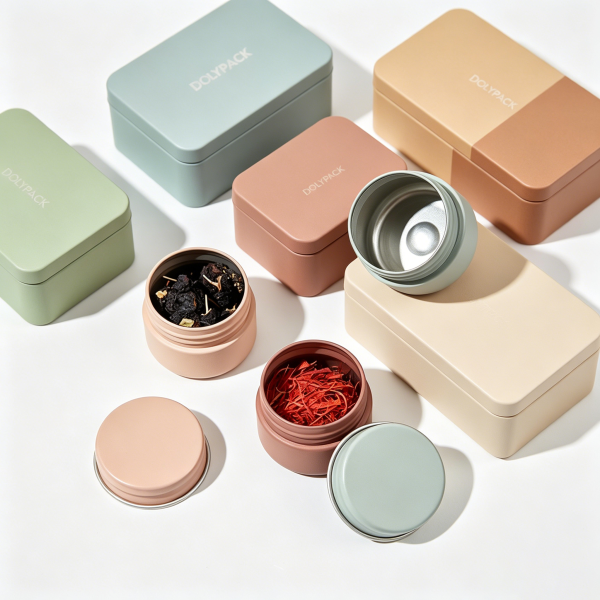
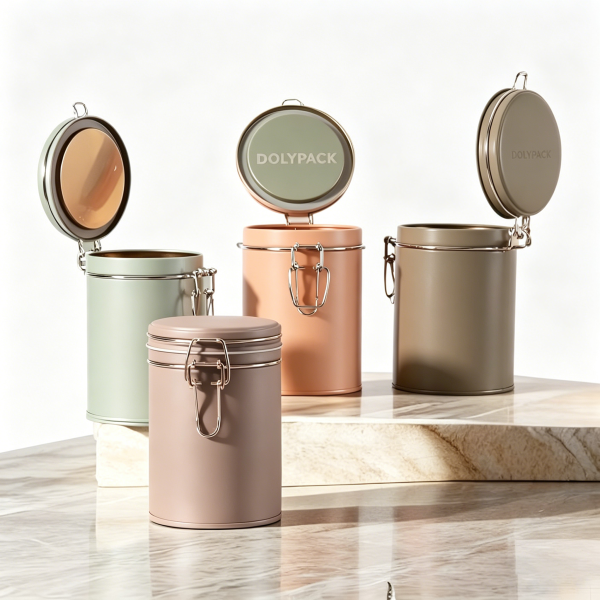
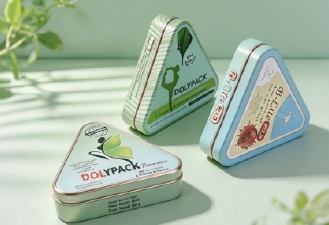
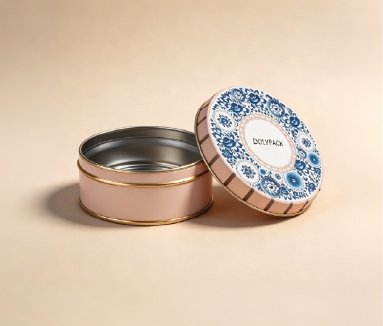
Send your target material — aluminum or tinplate — fill volume, quantity, and preferred decoration method. We typically respond within 12 business hours with pricing and lead time.
Request a free aluminum tin sample to check quality before ordering. Review aluminum tin cost factors to budget your first run, or explore customization options for printing, finishes, and accessories.