Get a Quote
How crisp an embossed logo or pattern turns out depends less on the artwork file and more on the metal underneath it — the base material, its gauge, and how the tin body and lid are constructed all decide whether a design reads as a sharp, defined impression or a soft, shallow one. Tinplate steel and aluminum behave differently under a die: one holds fine detail more reliably, the other favors bold, simple shapes, and each pairs with a different set of finishes. Material selection is the first decision in any custom embossed tin project, made before the die gets cut.
Embossed metal is a metal surface with a design pressed into it in raised relief using a matched pair of dies — one die shapes the raised (or, when reversed, recessed/debossed) pattern while a counter-die presses the sheet metal between them. The result is a physical, three-dimensional texture you can feel with a fingertip, not a printed or painted graphic sitting flat on the surface.
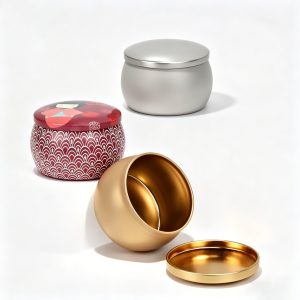
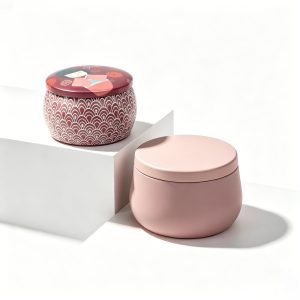
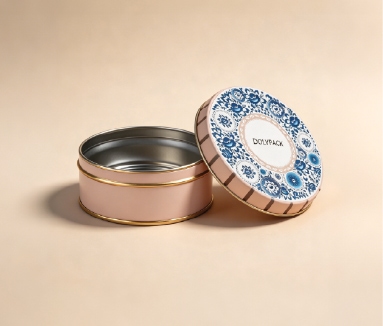
That tactile quality is what separates embossing from decoration methods like label printing or laser marking — the metal itself changes shape. It can also be layered with other decoration: a pattern can be embossed first, then have color fill, lacquer, or printed graphics applied over or around the raised areas, combining texture with color in a single design.
Tinplate — steel sheet coated with a thin layer of tin to resist corrosion — is the material most embossed tins are built from, and for a mechanical reason: steel is comparatively rigid. When a die presses into a rigid sheet, the metal holds its new shape cleanly instead of springing back or distorting around the edges of the pattern.
Tinplate used for embossed tins typically runs 0.20–0.32 mm in gauge; the heavier end of that range holds deeper, more defined relief, while lighter gauges risk a flattened or rounded result on fine detail. Practical emboss depth on tinplate generally tops out around 0.5–0.8 mm — pushing beyond that risks cracking the tin coating or thinning the steel at the highest points of the pattern. Fine detail also has a floor: tinplate can reliably hold line widths down to about 0.3 mm (0.85 pt) and text no smaller than roughly 2 mm (6 pt) cap height before edges start to soften.
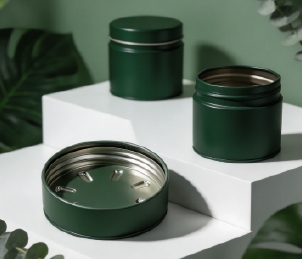
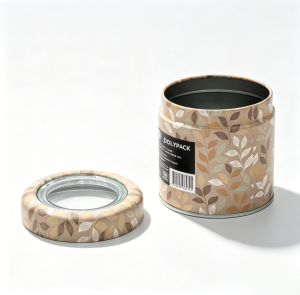
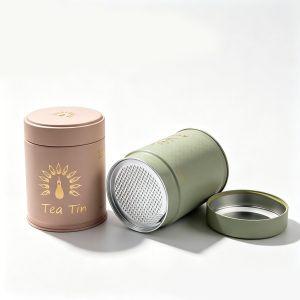
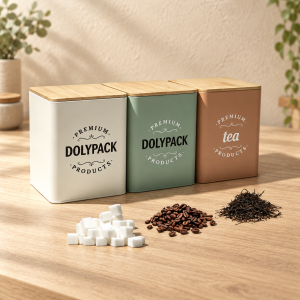
This is also why tinplate dominates categories where the tin itself needs to survive repeated handling and lid removal — candy tins, tea tins, tin canisters, and candle tins are all commonly built on tinplate bodies, where a deep, well-defined emboss reads as a premium cue every time the lid comes off.
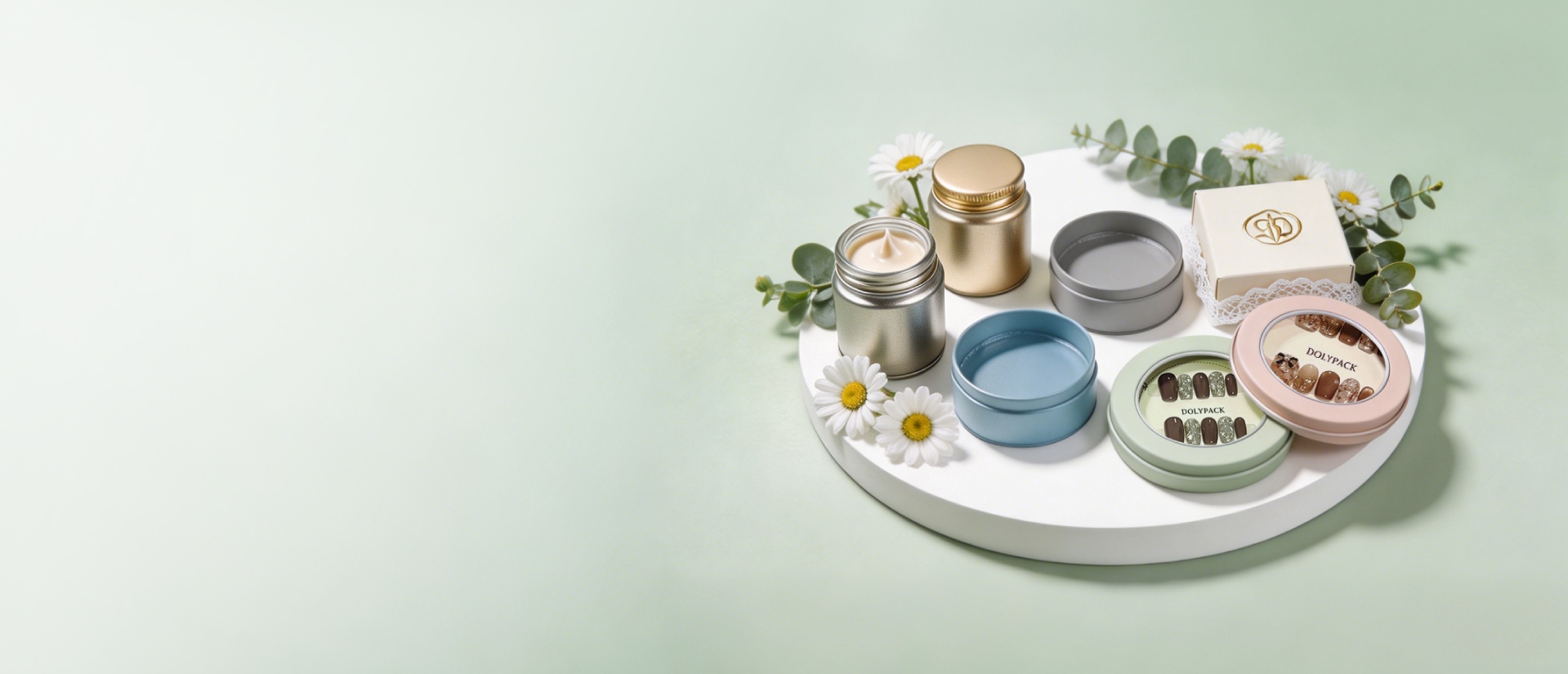
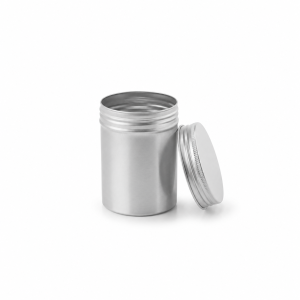
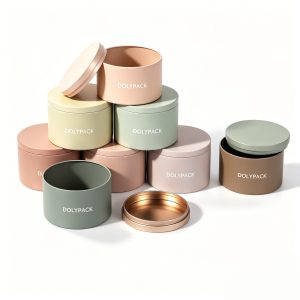
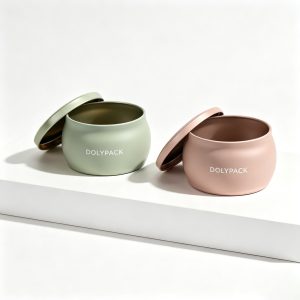
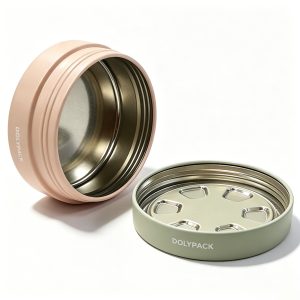
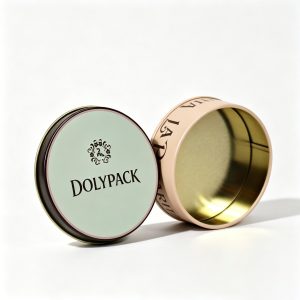
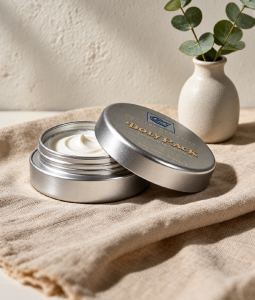
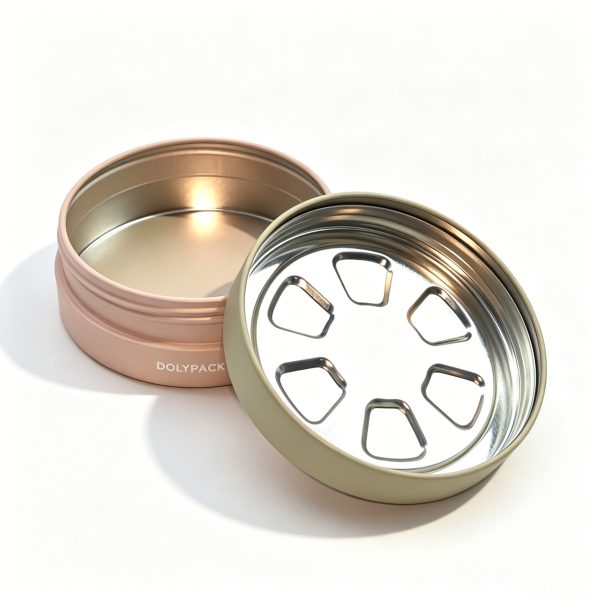
Aluminum trades some of that rigidity for weight savings and corrosion resistance without a tin coating. It’s the material behind DOLYPACK’s aluminum jar and tin range, which spans a wide capacity window from 5 ml up to 6,000 ml, and it shows up most often in aluminum cream jars, clay mask jars, and other metal cosmetic jars where lighter weight and a cool, matte or anodized surface matter more than fine engraved-level detail.
Aluminum sheet for embossed tins commonly runs 0.30–0.50 mm — thicker than typical tinplate gauges, since the softer metal needs more material thickness to hold shape under the die. Emboss depth on aluminum generally maxes out lower than steel, around 0.3–0.5 mm, before the pattern loses definition or the sheet thins unevenly. Its floor for fine detail is coarser too: reliable line widths start around 0.5 mm (1.4 pt), and text needs roughly 3 mm (9 pt) cap height to stay legible after pressing — one reason aluminum favors bolder, shallower shapes over small text or fine line work.
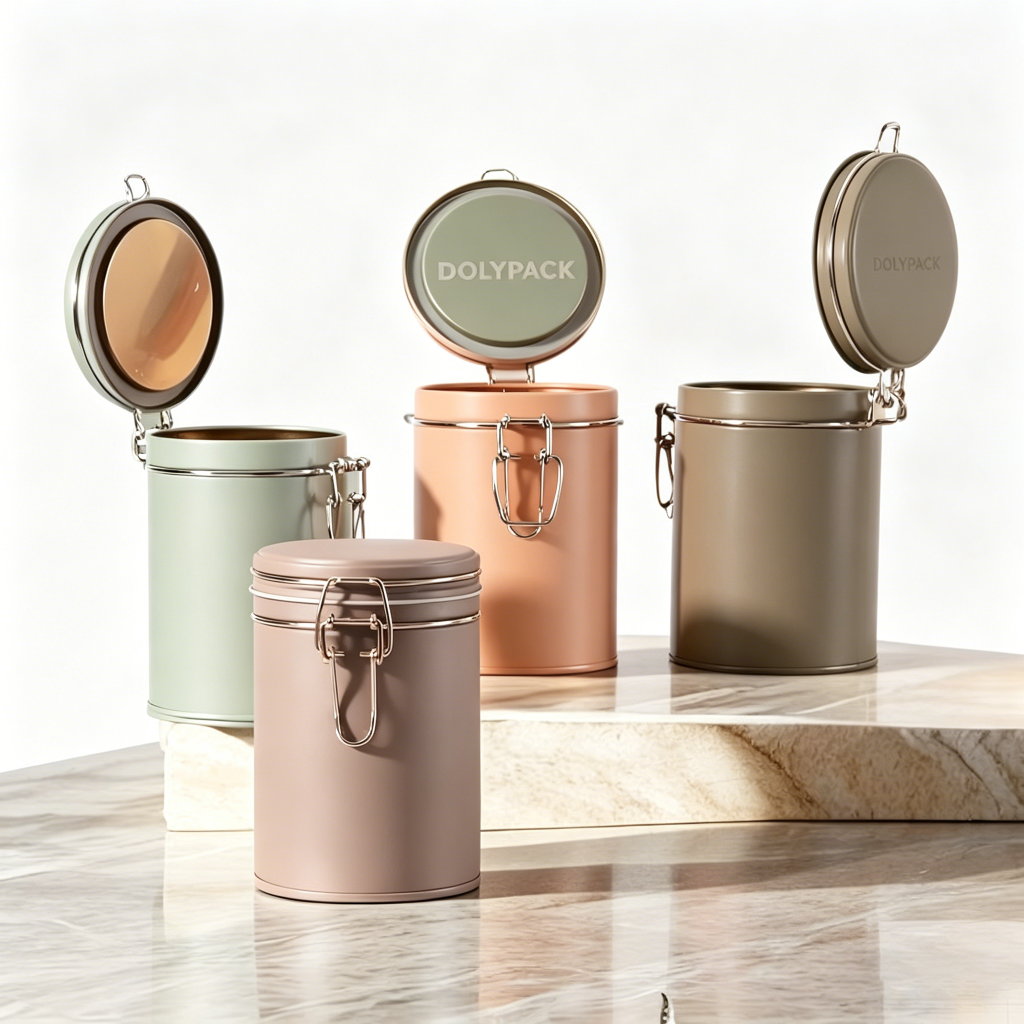
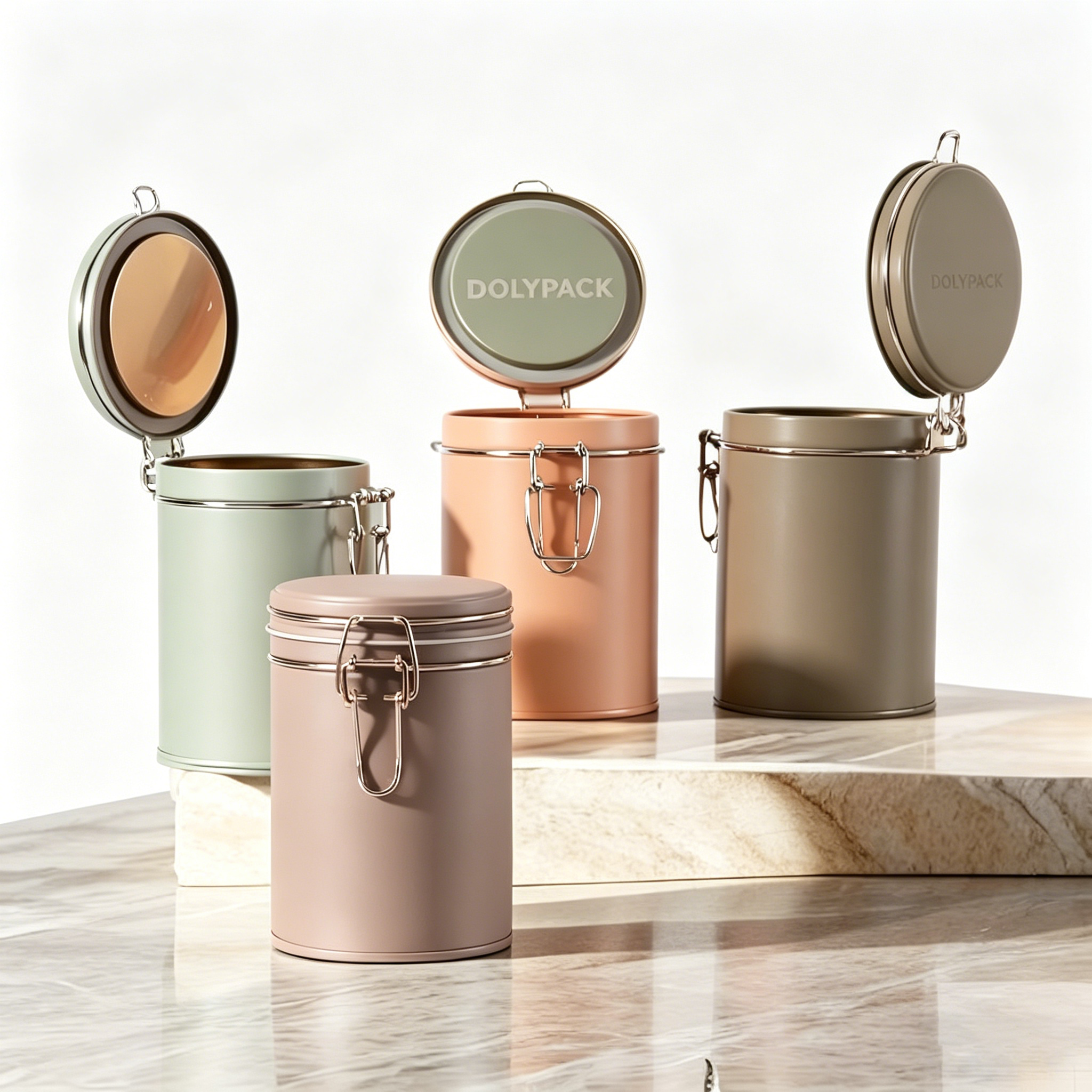
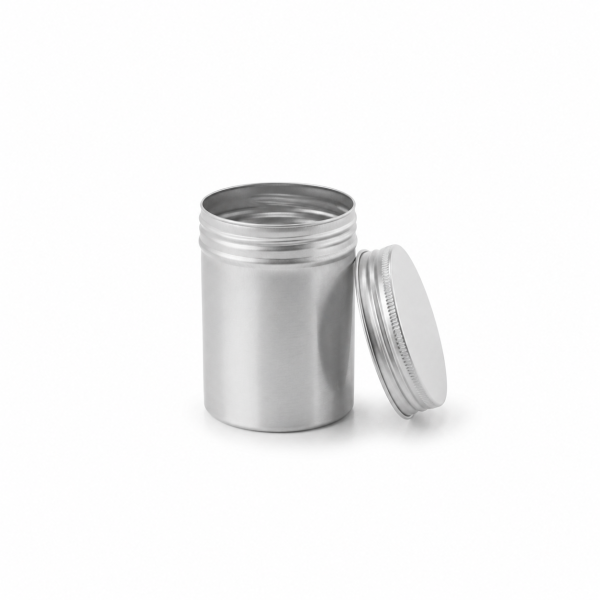
The upside is that aluminum takes anodizing, a finish tinplate can’t use, which opens up color and texture combinations that pair well with a simpler embossed mark. The aluminum tin and jar lineup spans 5 ml to 6,000 ml across screw-lid, click-lid, and slip-lid formats.
Beyond the base metal itself, three construction factors decide how much detail actually survives the pressing process: metal gauge, body and lid construction, and curvature with seam placement.
Thicker stock resists spring-back and holds a deeper impression; thinner stock is more prone to a shallow or slightly rounded-off result on fine detail. A two-piece lid, a three-piece body, or a hinged construction each present a different flat or curved surface to the die, and the embossing area has to sit somewhere that construction allows. A design pressed onto a curved cylindrical wall behaves differently than one on a flat lid top, and a seam running through or near the artwork area limits how the die can be positioned.
Bold shapes, thick letterforms, and simple logo marks reproduce far more reliably across gauges and constructions than fine line detail or small text does. Vector artwork — AI, EPS, or a vector PDF — is the preferred file format for die development, since it gives the toolmaker clean, scalable edges to work from rather than a raster image that has to be traced or approximated.
An embossed pattern is a starting point, not the finished look — the surface finish applied around and over it changes how the texture reads under light. Finishes that combine with embossed tinplate or aluminum include matte (mutes reflections so the raised pattern reads through shadow and shape rather than shine); glossy (maximizes contrast between the raised and recessed areas under direct light); frosted (a softer, diffused surface that works well with subtle, shallow relief); metallic effect (adds shimmer without fully hiding the base metal tone); lacquering (a protective clear coat that can sit over an embossed area without filling in the detail); anodizing (aluminum-specific, adds color while preserving the metal’s natural surface texture); and spot varnish (highlights specific embossed zones rather than coating the whole surface).
Embossing also doesn’t have to stand alone: it’s routinely combined with label or screen printing, laser marking, or full-color printing to layer color and fine text detail around a raised or recessed shape that carries the main brand mark.
| Choose tinplate steel when… | Choose aluminum when… |
|---|---|
| The design has fine detail, small text, or intricate line work | The design is a bold, simple shape or thick logo mark |
| You need a heavier, more rigid, reusable tin | Lightweight shipping and handling matter more than max detail |
| The format is food-facing — candy, tea, or candle tins | The format is cosmetic or wellness — cream, mask, or powder jars |
| You want the deepest, most defined embossed relief | You want to pair the design with an anodized color finish |
Exact gauge, die depth, and quantity get confirmed after DOLYPACK reviews the container drawing and vector artwork, since those depend on the actual design rather than a generic spec. Weight, recyclability, and baseline cost differences between tin and aluminum packaging apply independent of embossing performance.
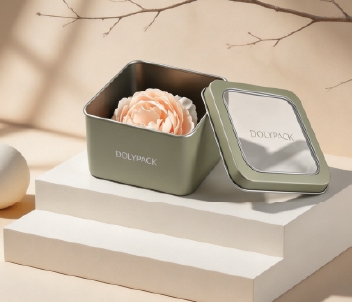
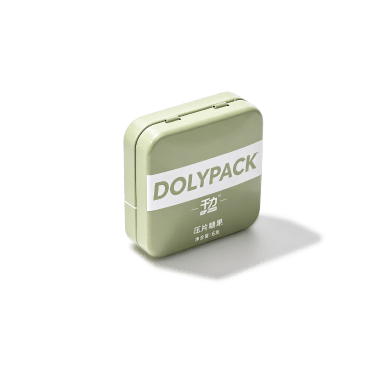
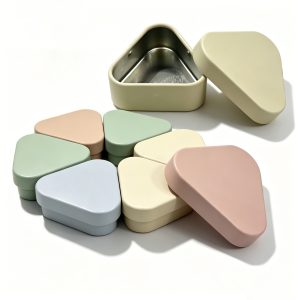
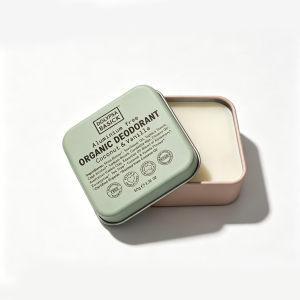
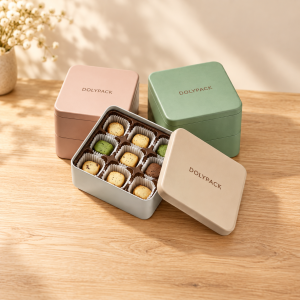
Square-bodied tins carry tighter corner and seam constraints than round ones, a distinction that also shapes the square metal tins vs alternatives decision. A tin case’s fit against other packaging alternatives depends on more than embossing potential alone — weight, seal type, and shelf presence factor in too. Cost scales with die count, container size, and order quantity rather than a flat per-unit rate.
Get in touch with a container drawing and artwork and DOLYPACK’s in-house tooling team can confirm gauge, depth, and finish options for the specific design.
Pure tin is rarely used on its own for packaging. Most “tin” containers are actually tinplate steel — a steel sheet coated with a thin layer of tin — or aluminum, both used across food, cosmetic, and candle tins, jars, and canisters.
Small-scale hand embossing on thin aluminum sheet is possible with basic tools like a stylus, dotting tool, or hole punch for a craft project. Production-grade embossed tins need matched metal dies and industrial presses that can’t be replicated at that scale.
Most tin boxes are made from tinplate — steel sheet coated with tin — because of its rigidity and durability. Aluminum serves as a lighter-weight alternative for formats such as cosmetic and cream jars where weight matters more than maximum embossed detail.
Tinplate steel generally holds sharper, deeper embossed detail because of its rigidity, making it better suited to fine line work or small text. Aluminum favors bolder, shallower designs but offers a lighter-weight, corrosion-resistant option that also takes anodized color finishes.
Embossing reshapes the metal rather than removing any of it, so a properly gauged tin isn’t structurally compromised by the process. What can change is how crisp the result looks — very fine or deep detail on thin-gauge metal may not hold its shape as cleanly, which is a finish-quality question rather than a strength one.
Die development time and cost depend on the design’s complexity, size, and how many embossed areas the container needs — a single-position logo tools up faster and cheaper than a multi-panel pattern. Both get quoted after reviewing the vector artwork and container drawing, since neither follows a fixed schedule or flat rate.

Send your target material — aluminum or tinplate — fill volume, quantity, and preferred decoration method. We typically respond within 12 business hours with pricing and lead time.
Request a free aluminum tin sample to check quality before ordering. Review aluminum tin cost factors to budget your first run, or explore customization options for printing, finishes, and accessories.