Get a Quote

Customization
Custom Embossed Tins — Aluminum & Tinplate
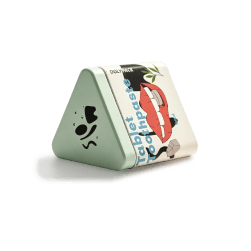
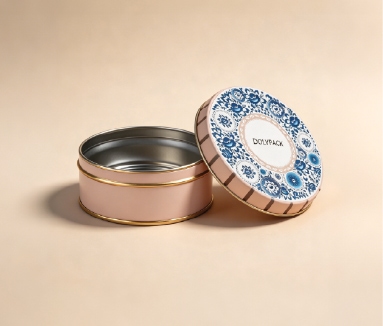
DOLYPACK creates custom embossed tins in aluminum and tinplate. Raised or recessed logos, lettering, and patterns are pressed into the metal using dies cut for each specific lid or body shape — a flat jar lid needs different tooling than a curved candle-tin sidewall. Incoming artwork is checked for bold, embossable shapes before tooling is committed.
Discuss Your Project
Explore Packaging
What Embossed Tins Are — Raised vs. Recessed Detail
Embossing pushes a pattern outward so it sits raised above the surrounding metal. Debossing presses the same design inward, leaving a recessed impression instead.
Both come off the same matched-die tooling; only the pressing direction changes. DOLYPACK runs both processes on aluminum and tinplate alike. What limits the result is the metal’s own gauge and shape, not which of the two effects you choose.
Materials & Container Types We Emboss
Aluminum and tinplate both take embossing well, but they suit different jobs. Gauge and wall thickness set how much depth a container can take.
Key material and size considerations include:
-
Aluminum
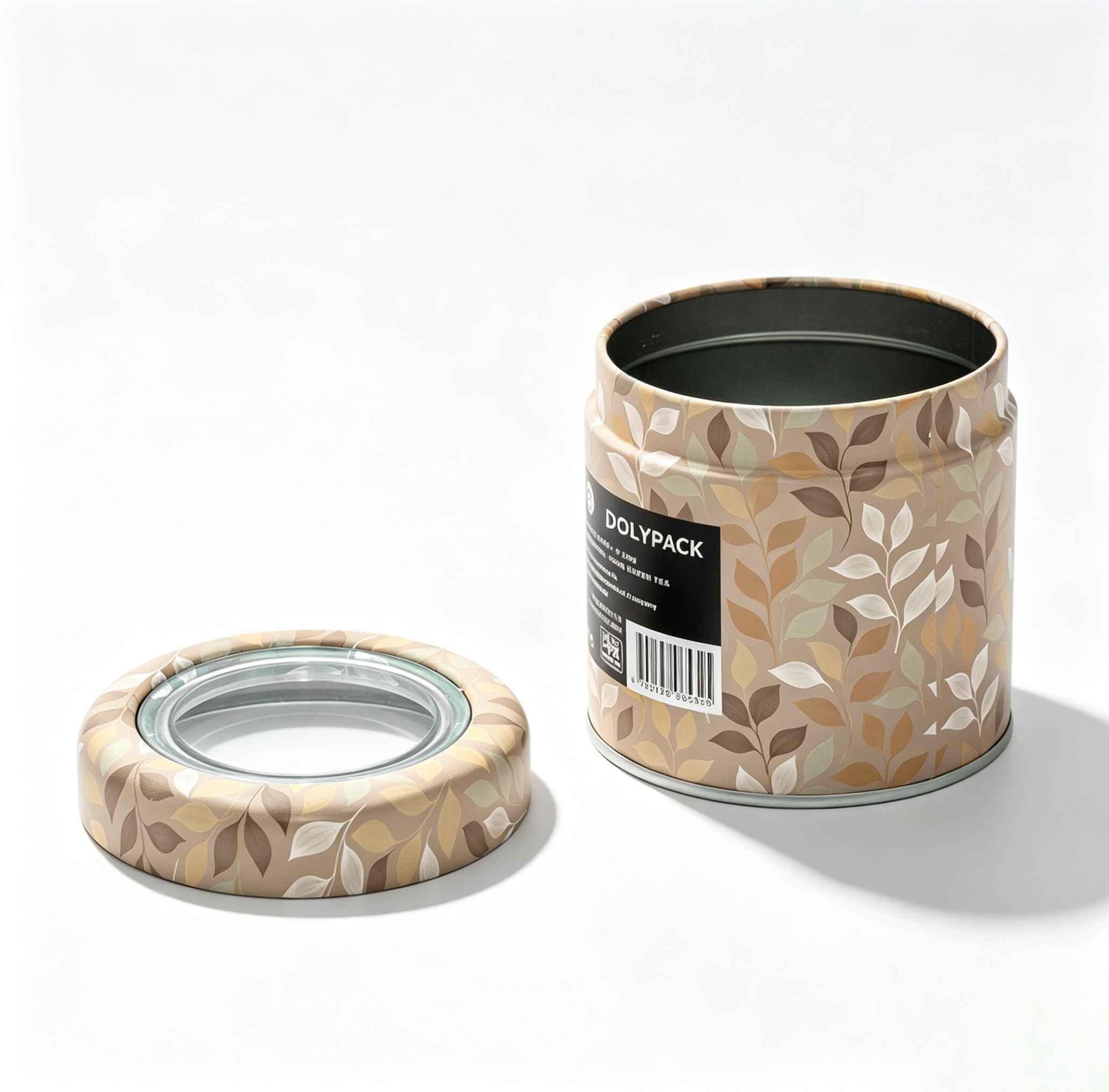
Screw-lid jars across the 5 ml–6,000 ml capacity range hold a shallow lid emboss most reliably.
-
Tinplate
Heavier-gauge click-lid and square three-piece tins support deeper detail across a larger flat panel.
-
Screw caps
Sizes from Ø17.5 mm to 89 mm determine how large a cap-top logo can run. Smaller caps leave less room around the molded threads.
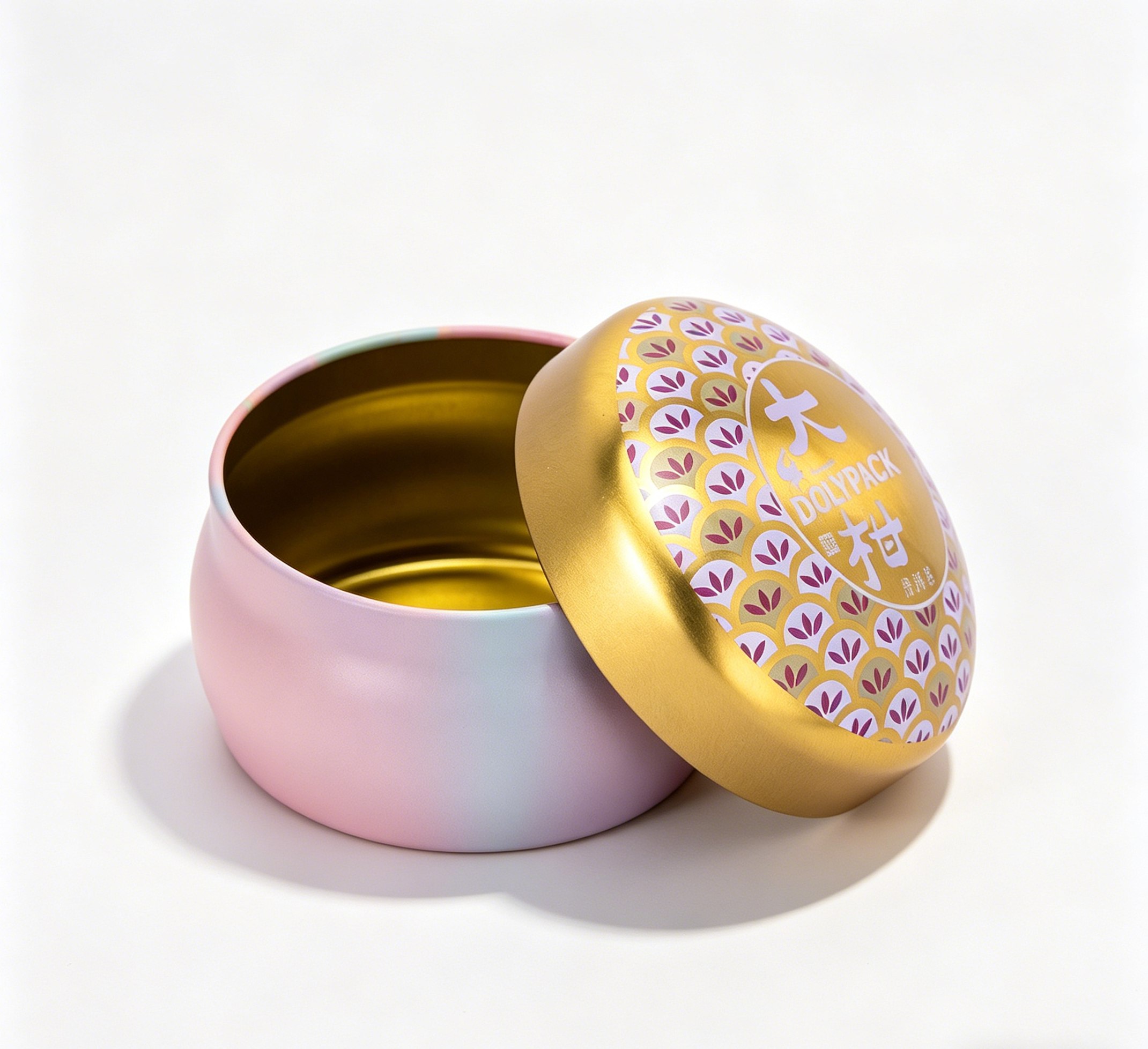
Container families that accept embossing include:
- Screw-lid jars
- Slip-lid tins
- Click-lid tins
- Square three-piece tins
- Window tins
- Flat tins (60 ml and 130 ml low-profile formats)
Material and gauge considerations for embossing cover the full breakdown by container family.
By container
By material
How Embossing Works and Design Requirements
DOLYPACK uses matched dies to press approved artwork into metal components, usually before final assembly. The achievable depth and definition depend on the metal gauge, panel shape, lid or body construction, and the distance from seams. For reliable embossing results:
- Choose the embossing area carefully.
For screw-lid jars with cap diameters from Ø17.5 mm to 89 mm, larger caps provide more flat space for logos or patterns. Smaller caps limit the design size around the thread area.
- Use bold artwork.
Solid letterforms, simple icons, and thick outlines reproduce more reliably than fine lines, small text, script wordmarks, or fine serifs.
- Submit vector artwork.
AI, EPS, or vector PDF files should clearly show the embossing area and any separate depth levels.
- Approve the design before tooling.
Simplifying detailed artwork at the beginning helps prevent tooling changes. Re-cutting a die can add both cost and production time.
Finishes & Decoration You Can Combine With Embossing
Embossing changes the metal's surface profile. Finishes and other decoration methods layer on top of it where the container and production route allow. Common finish options include:
-
01
Matte, glossy, and frosted
Change how strongly the raised or recessed detail catches light.
-
02
Metallic effect and lacquering
Add visual contrast around the embossed surface.
-
03
Anodizing
Available for aluminum only and suited to a colored or protective finish.
-
04
Spot varnish
Adds localized shine where the production route allows.
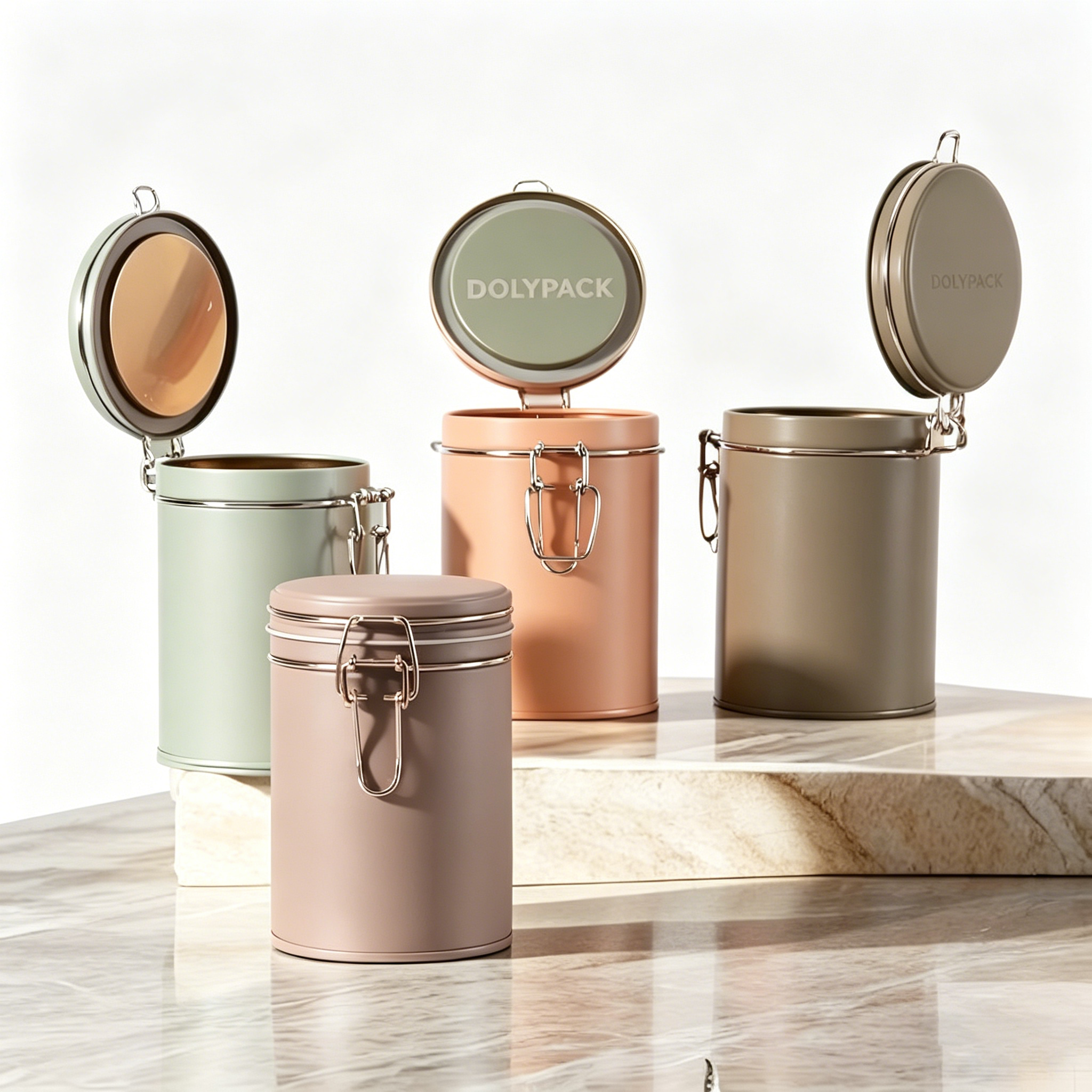
Custom tin boxes decorated this way often pair an embossed lid logo with label or screen printing, laser marking, full-color printing, or a window/cut-out detail on the body. The brand mark stays tactile while the rest of the artwork carries color and fine detail.
Where embossing and printing need to align precisely, such as a printed outline registered to an embossed shape, flag that registration requirement before tooling and print plates are finalized.

Requirements
Getting a Quote — Tooling, Samples and MOQ
Pricing, MOQ, and sampling requirements depend on the same project details: the container type and construction, material, artwork, decoration method, tooling, embossing depth, finish, and order quantity.
-

Pricing
A shallow, single-level logo on a standard candle tin generally requires less tooling than a deep, multi-level emboss on a custom cosmetic jar. Our guide to embossing tooling costs explains the main cost factors.
-
MOQ
Minimum quantities vary by container family and tooling status. A stock aluminum jar with reusable tooling may support a smaller reorder, while a new custom shape usually requires a higher minimum to justify first-run tooling.
-
Sampling
Depending on the project, DOLYPACK can arrange a tooling sample or pre-production sample so the embossing depth, finish, and print registration can be checked before the full order is released.


To discuss your project, request a sample with your target container or dimensions, artwork, and preferred finish, or contact DOLYPACK about feasibility and pricing.
Industries Using Embossed Tins
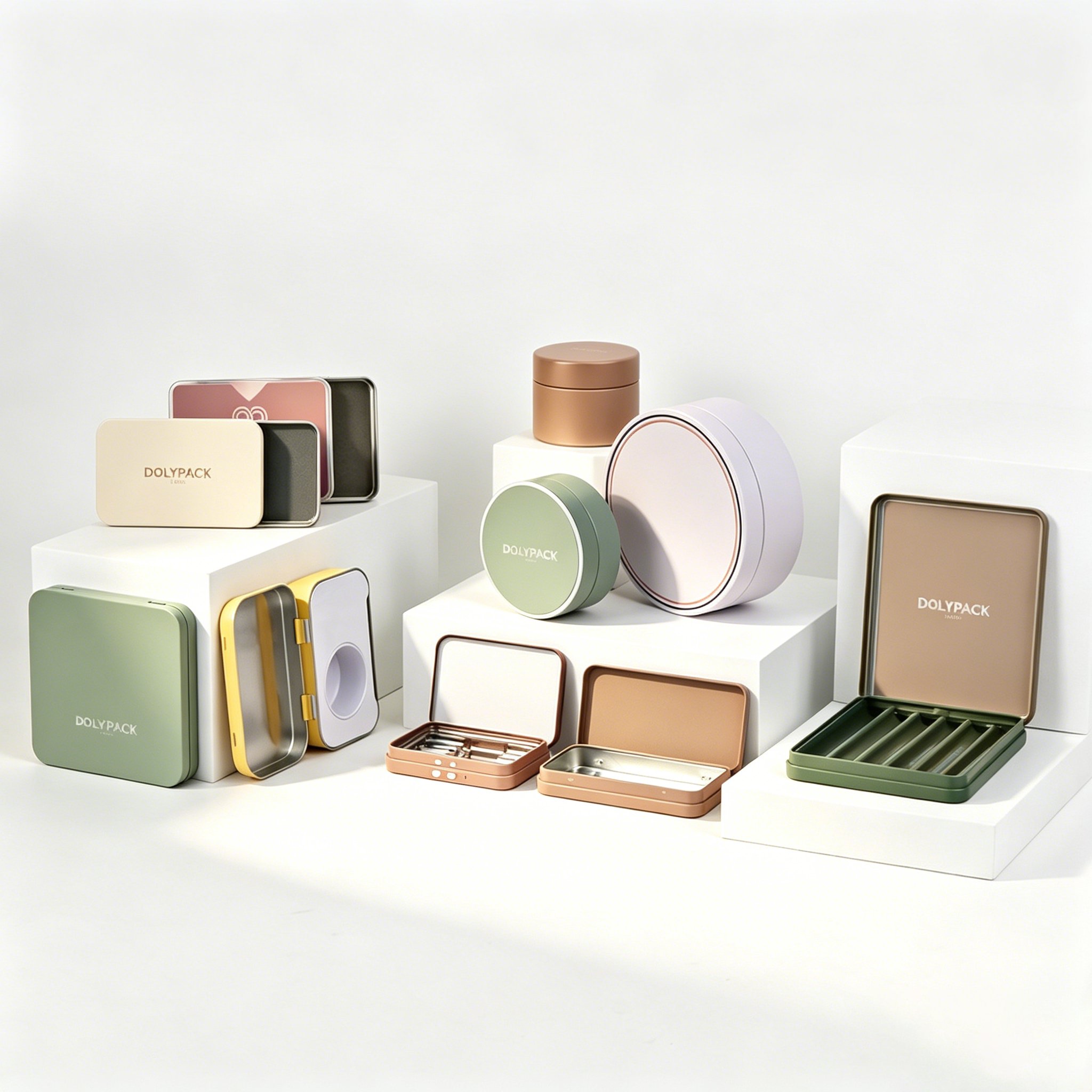
Embossed tins show up across candles, cosmetics and personal care, wellness and supplement packaging, pharmaceutical containers, and pet product tins — anywhere a tactile brand detail adds shelf presence without relying on printed ink alone.
In food and beverage packaging, embossed tins carry a raised logo on coffee, tea, and candy tins alongside printed labeling for the rest of the artwork.
FAQ
How do you emboss on tin?
A matched die set is pressed into the metal — aluminum or tinplate — to form the approved design. How much depth is achievable depends on the metal’s gauge, curvature, and how close the pattern sits to a seam. Bold shapes hold detail better than fine lines or small text.
Do you reuse embossing tooling for reorders?
Tooling is cut to match the approved artwork and specific container. The same die is used again for repeat orders of that exact design, and new tooling is only needed if the artwork, position, or container changes.
Get In Touch
Ready to Create Your Custom Tin Box?
Provide your target container or dimensions, embossing artwork, preferred position, and finish, and DOLYPACK can confirm feasibility, tooling, and sample steps.
Request a Quote