Get a Quote
Cylinder Tins
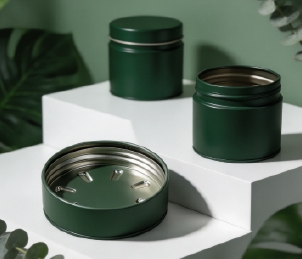
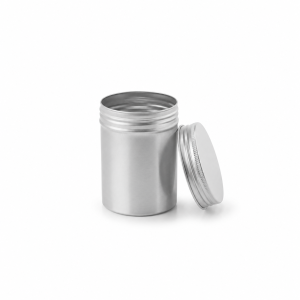
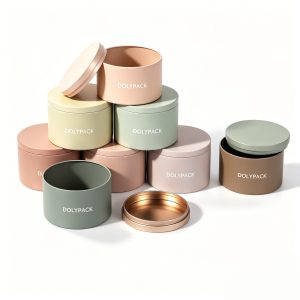
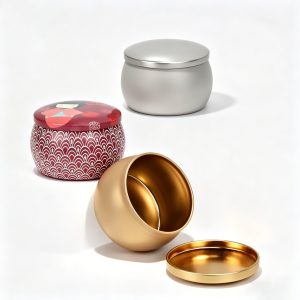
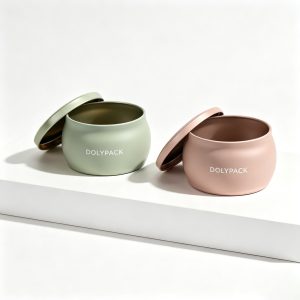
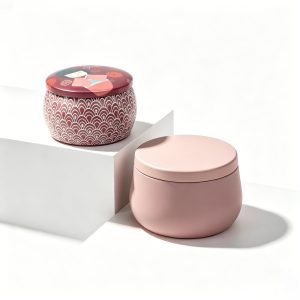
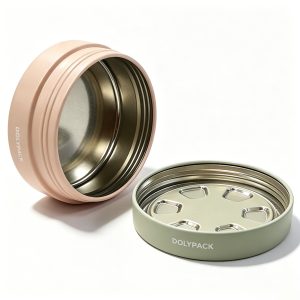
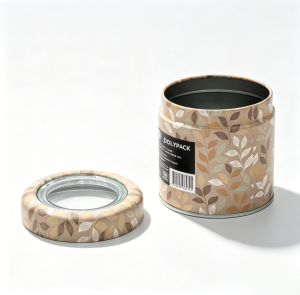
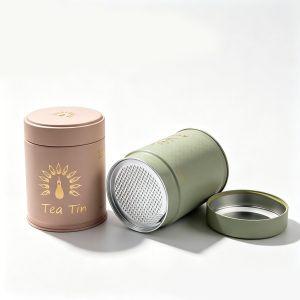
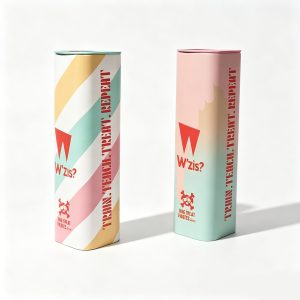
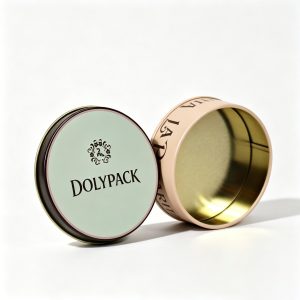
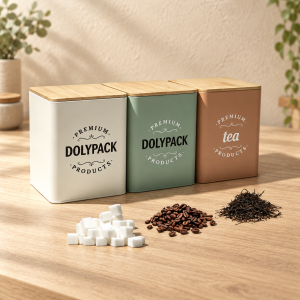
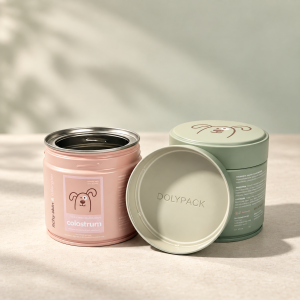
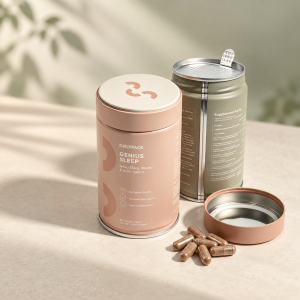
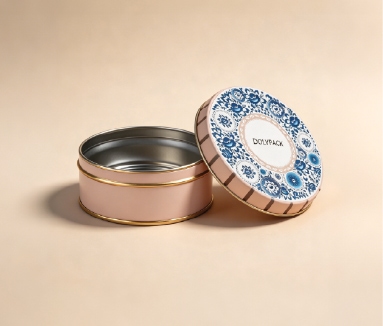
Cylinder tins are tall, round metal containers with a height greater than their diameter. DOLYPACK supplies aluminum or tinplate bodies with slip, screw, or click lids for tea, candy, coffee, cosmetics, bath salts, and gift sets.
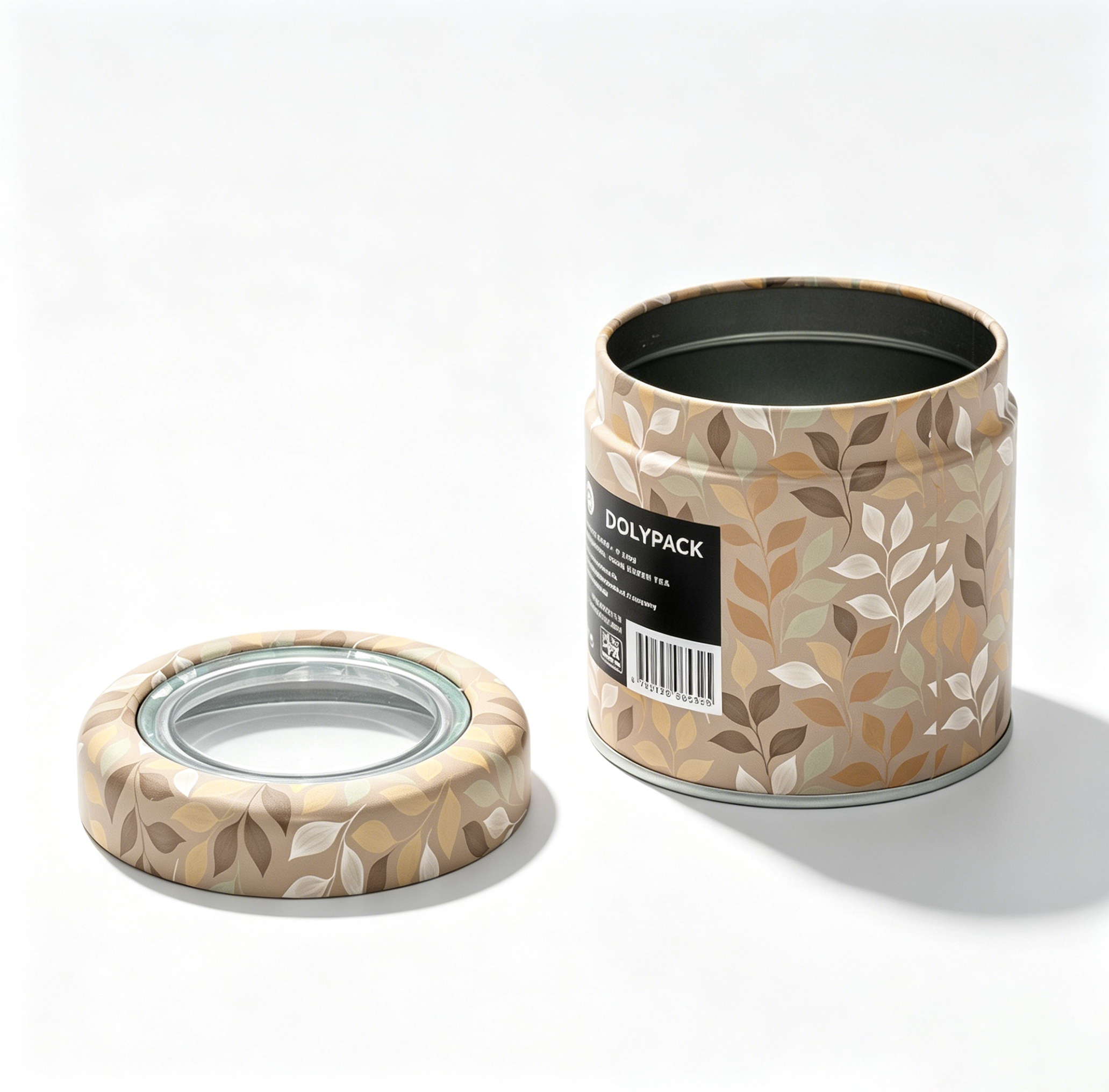
Cylinder Tin Sizes & Capacities
DOLYPACK’s aluminum packaging line spans 5 ml to 6,000 ml, and cylinder bodies are built anywhere across that range once a diameter-to-height ratio is set for the product going inside. Rather than one fixed SKU, buyers sourcing cylinder tins wholesale usually work within four rough size classes:
| Size Class | Approximate Capacity | Common Fit |
|---|---|---|
| Compact | 5–100 ml | a 2 oz tin container with lid, single-serve spice or tea, matcha |
| Standard | 100–500 ml | loose-leaf tea, candy |
| Large | 500–2,000 ml | bath salts, bulk coffee |
| Extra-large | 2,000–6,000 ml | gift sets, bulk retail packs |
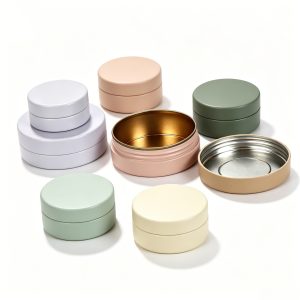
Screw-lid cylinder tins pair with aluminum screw caps sized from Ø17.5 mm to 89 mm, so a small tin and a bulk canister share the same closure logic, just scaled up. Need a flatter profile instead of a tall body? Round tin boxes cover that footprint with the same lid mechanisms.
Stock Cylinder Body Specs
Named cylinder lines that already exist as production molds — rather than a build-from-zero shape — cover most of the volume DOLYPACK ships. Diameter, height, and wall gauge are set to hit a target capacity and lid choice, and a cylinder built for a bath salt canister carries different wall-gauge needs than one built for a caviar tin even at a similar overall size:
| Stock Body | Typical Capacity | Ø × H (mm) | Lid Options | Wall Gauge |
|---|---|---|---|---|
| 2 oz tin | 60 ml | Ø45 × H55 mm | click | 0.20–0.25 mm |
| Matcha tin | 80 ml | Ø50 × H70 mm | click | 0.20–0.25 mm |
| Caviar tin | 30 ml | Ø40 × H35 mm | click | 0.20–0.25 mm |
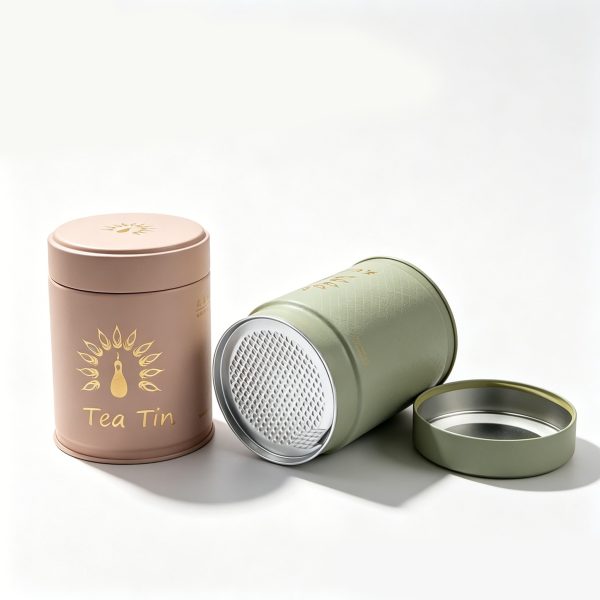
| Tea tin | 400 ml | Ø65 × H120 mm | slip, click | 0.25–0.30 mm |
| Candy tin | 350 ml | Ø70 × H90 mm | slip, screw | 0.25–0.30 mm |
| Coffee tin | 1,000 ml | Ø100 × H130 mm | screw | 0.30–0.45 mm |
| Bath salt tin | 1,500 ml | Ø100 × H200 mm | screw | 0.30–0.45 mm |
These dimensions and gauges are typical starting points for each stock body, not fixed tolerances. The exact figures are confirmed against your drawing and fill weight before tooling is committed.
Materials & Lid Construction
Cylinder bodies come in two base metals, with lid mechanics selected according to how the tin will be handled:
-
Aluminum
Takes anodized and metallic finishes well and runs lighter per unit.
-
Tinplate
A heavier-gauge steel body, common where a printed can-and-label look is expected, as with tea and candy tins.
-
Lid mechanics
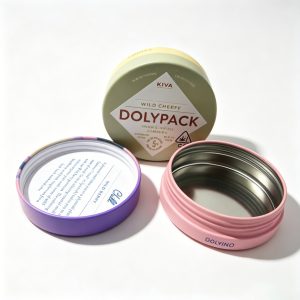
A slip lid drops over the rim for quick opening, a screw lid seals tighter for travel or repeated reopening, and a click lid snaps onto a formed bead for a firmer seal without threads.
For food-contact fills — tea, candy, coffee — interior liners and lacquers can be specified toward FDA, LFGB, or other target-market food-contact standards, including BPA-free lacquer options; confirm the exact liner spec your market requires at quote stage.
Choosing between aluminum and tinplate bodies, or between metal and plastic altogether, comes down to weight, finish options, and cost — compare tin vs aluminum and see how aluminum tins stack up against plastic before locking a spec.
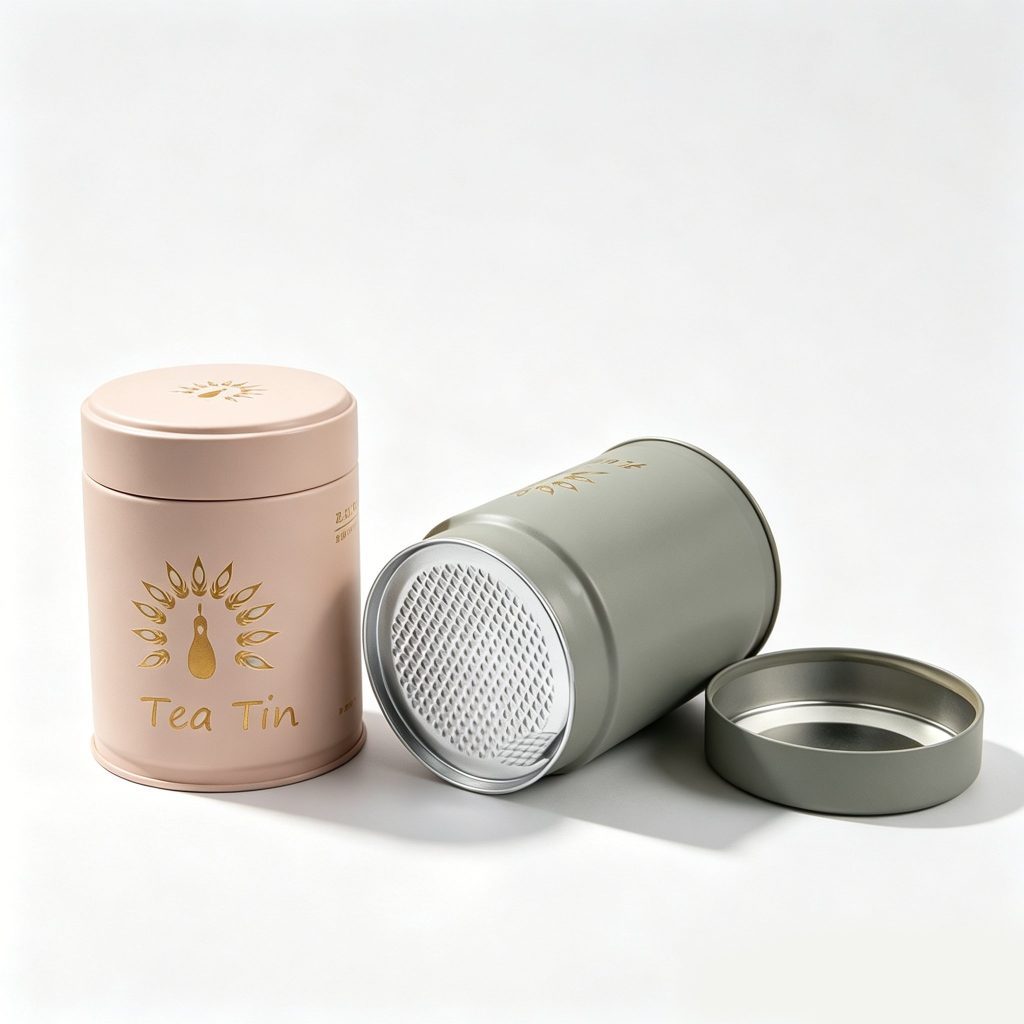
Custom
Custom Printing & Embossing on Cylinder Tins
A curved body changes what decoration will reproduce cleanly:
-

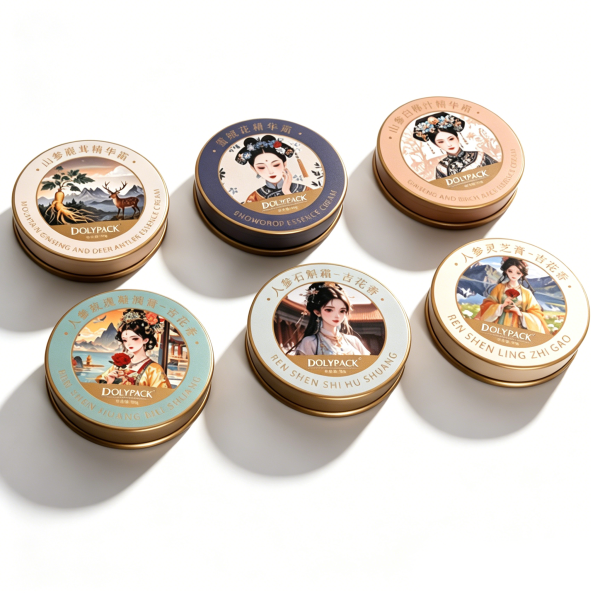
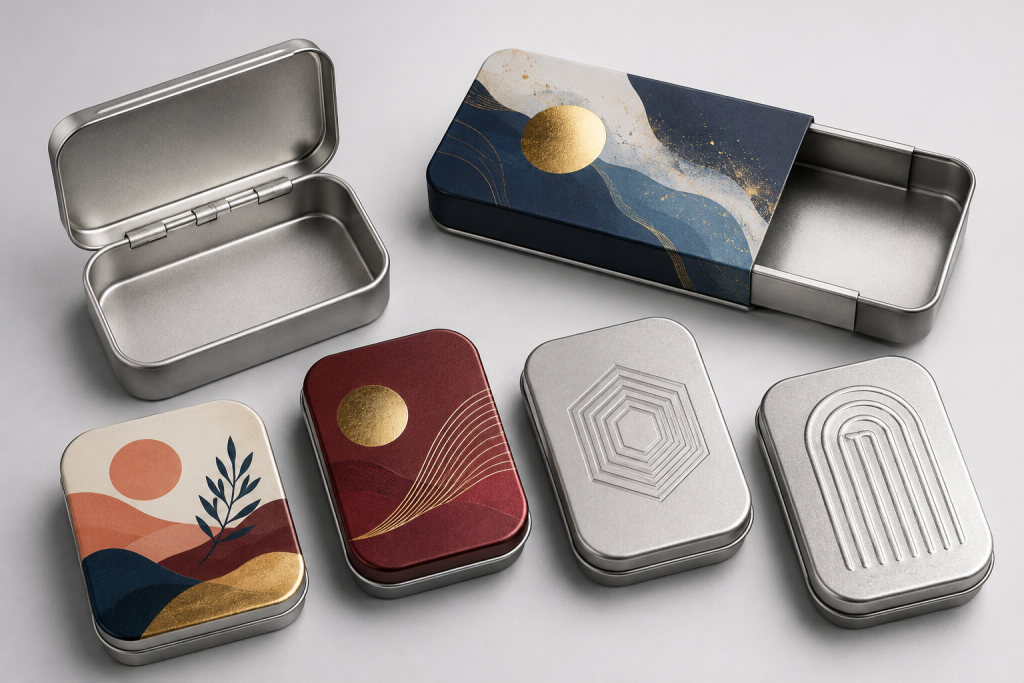
Embossing or debossing
Depth depends on metal gauge, how the body and lid are formed, and where the seam sits. Bold shapes hold their form on a curved wall better than fine detail, and tooling is cut from vector artwork (AI, EPS, or vector PDF).
-
Printing and marking
Label or screen printing, laser marking, and full-color wrap printing are alternatives when a full embossed pattern is not needed.
-
Finishes
Matte, glossy, frosted, metallic, lacquered, or anodized finishes can be combined with these methods, along with a spot varnish accent.


For custom tea tins or any other cylinder run, tooling and pattern depth are quoted after your artwork and container drawing are reviewed. See how embossing choices differ in the embossed tin materials guide, or start a broader custom tin packaging conversation if the project needs a new mold from scratch.

Applications
Common Applications
-
Tea
-
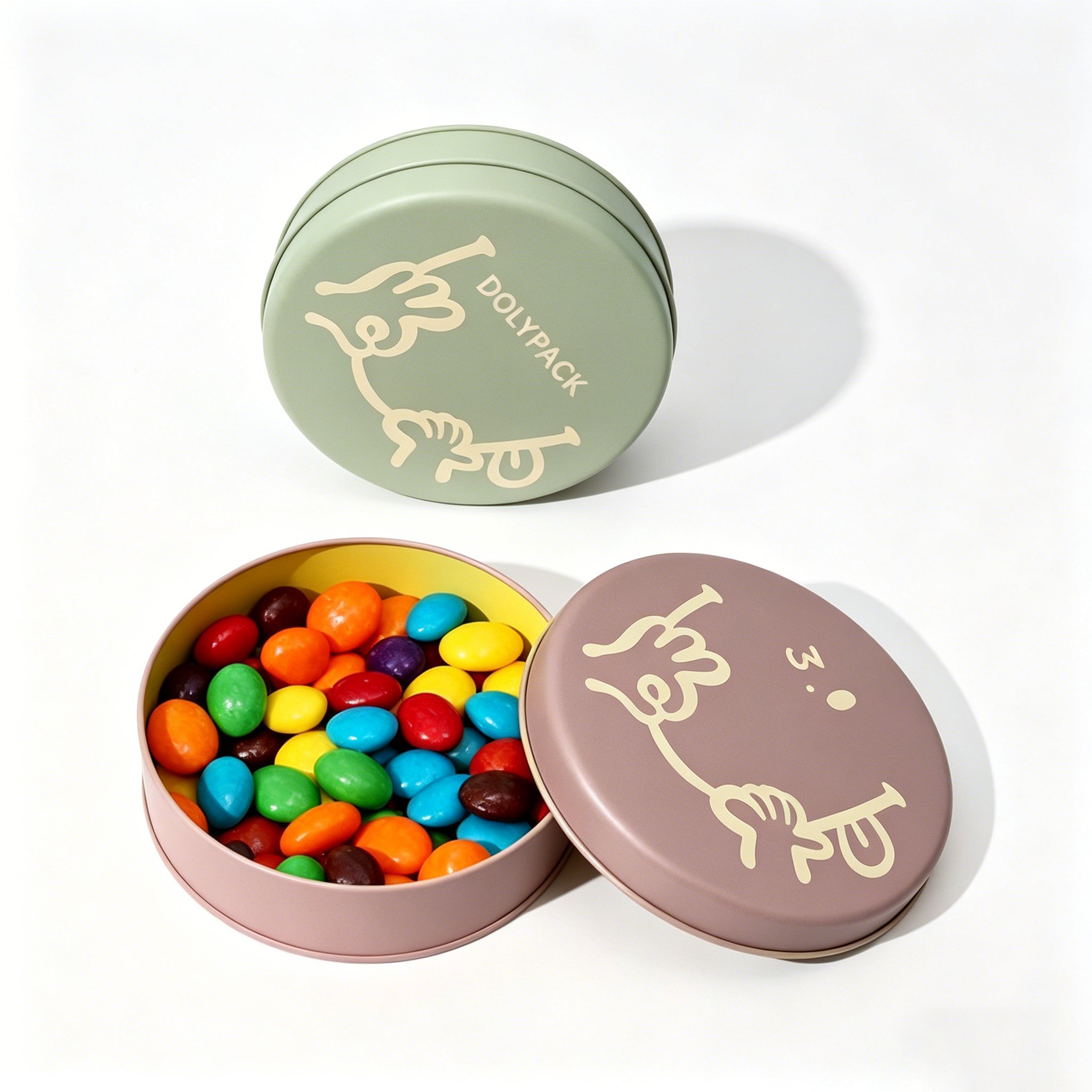
Candy
-
Coffee
-
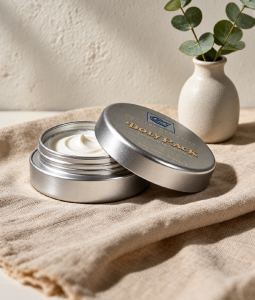
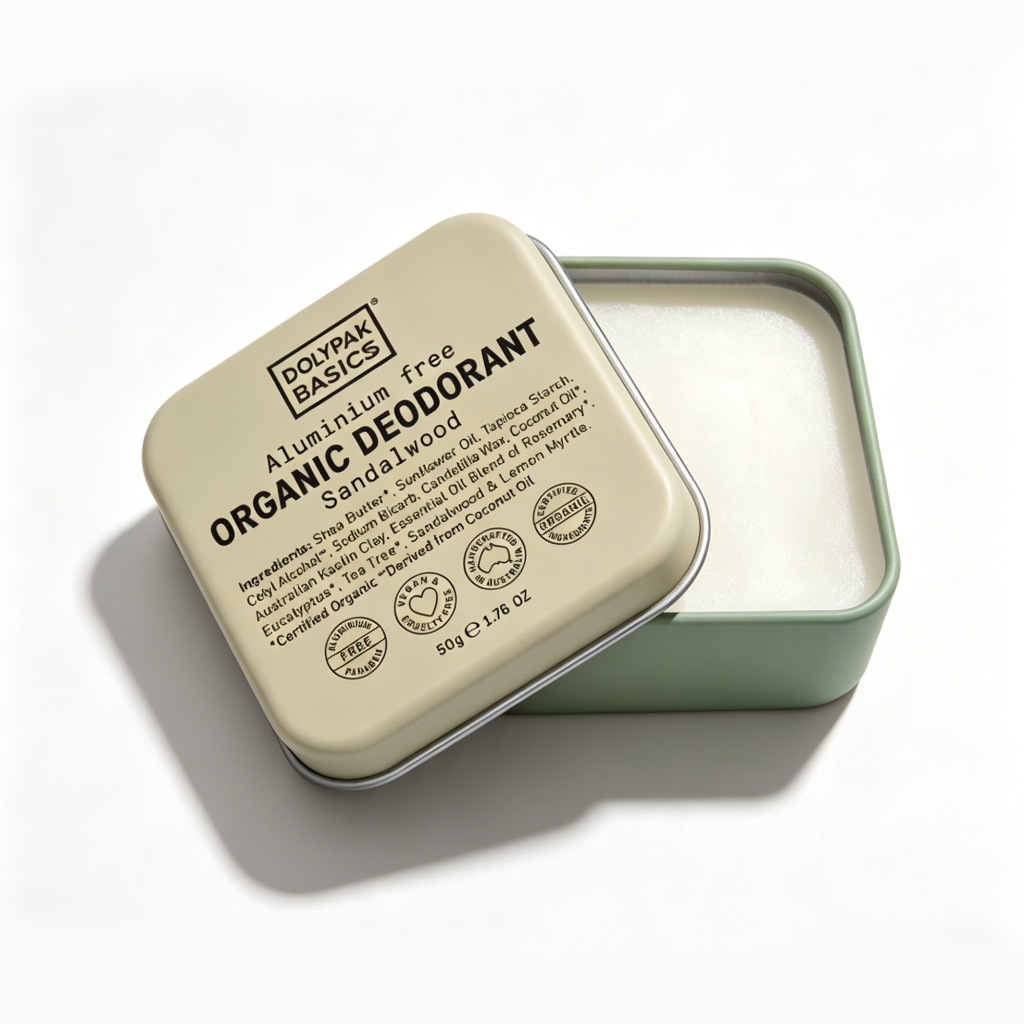
Cosmetics & balms
-

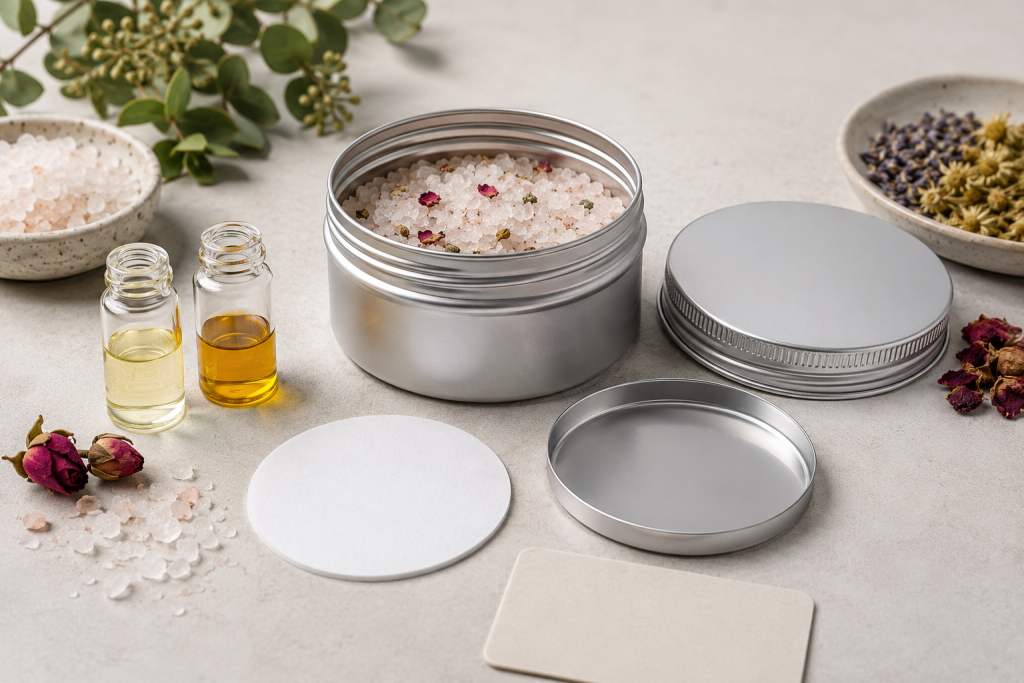
Bath salts
-
Gifting




-
 Tea
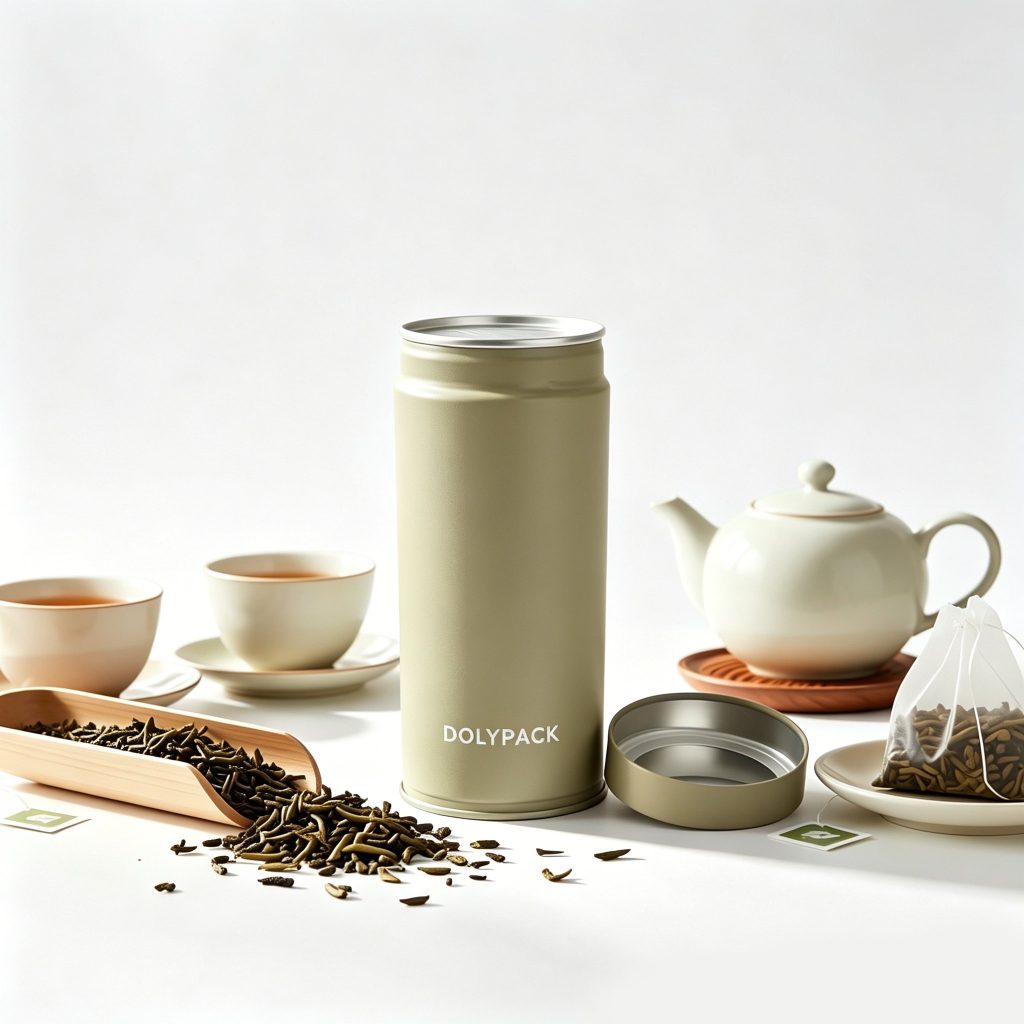
TeaThe classic cylinder fit for loose-leaf tea and food grade tea tins; see tea tin cans for lid and liner options.
-
Candy
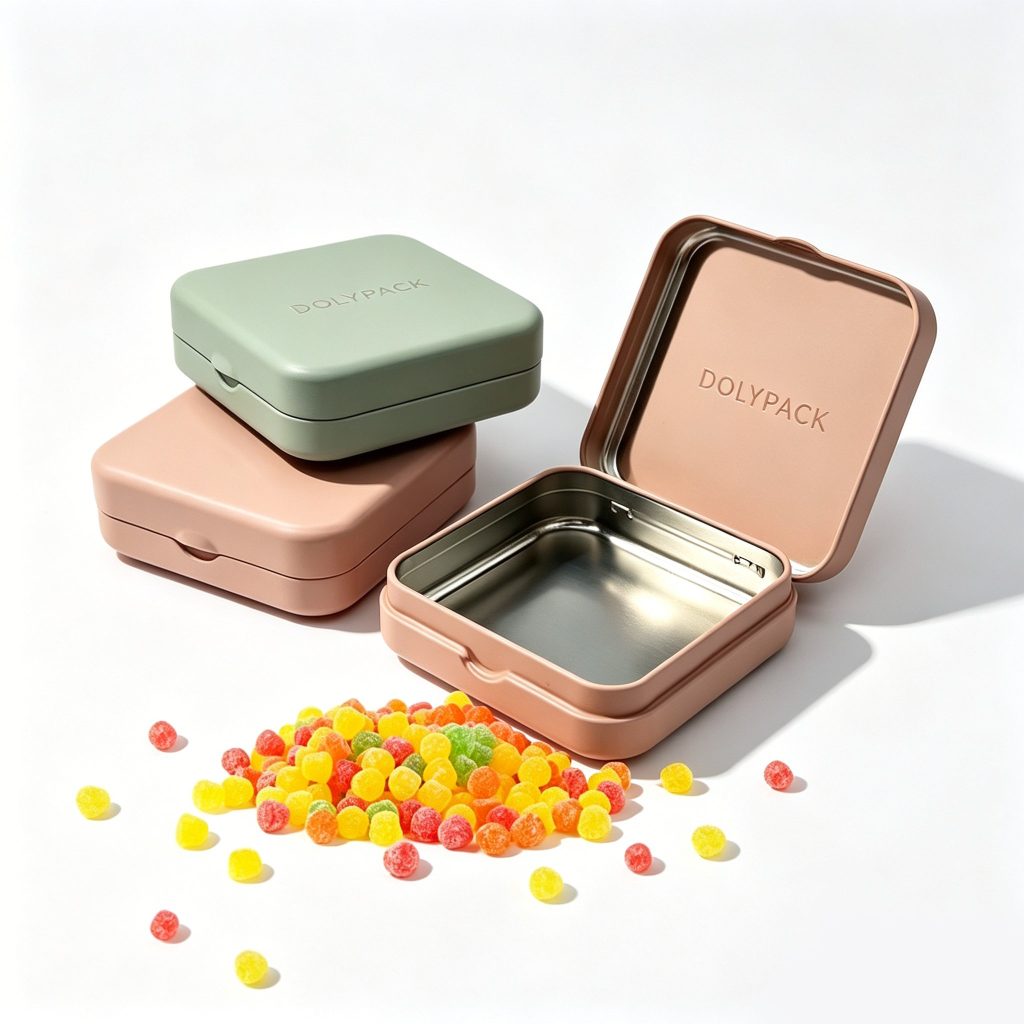
Stackable, shelf-facing format; browse aluminum candy tins.
-
Coffee
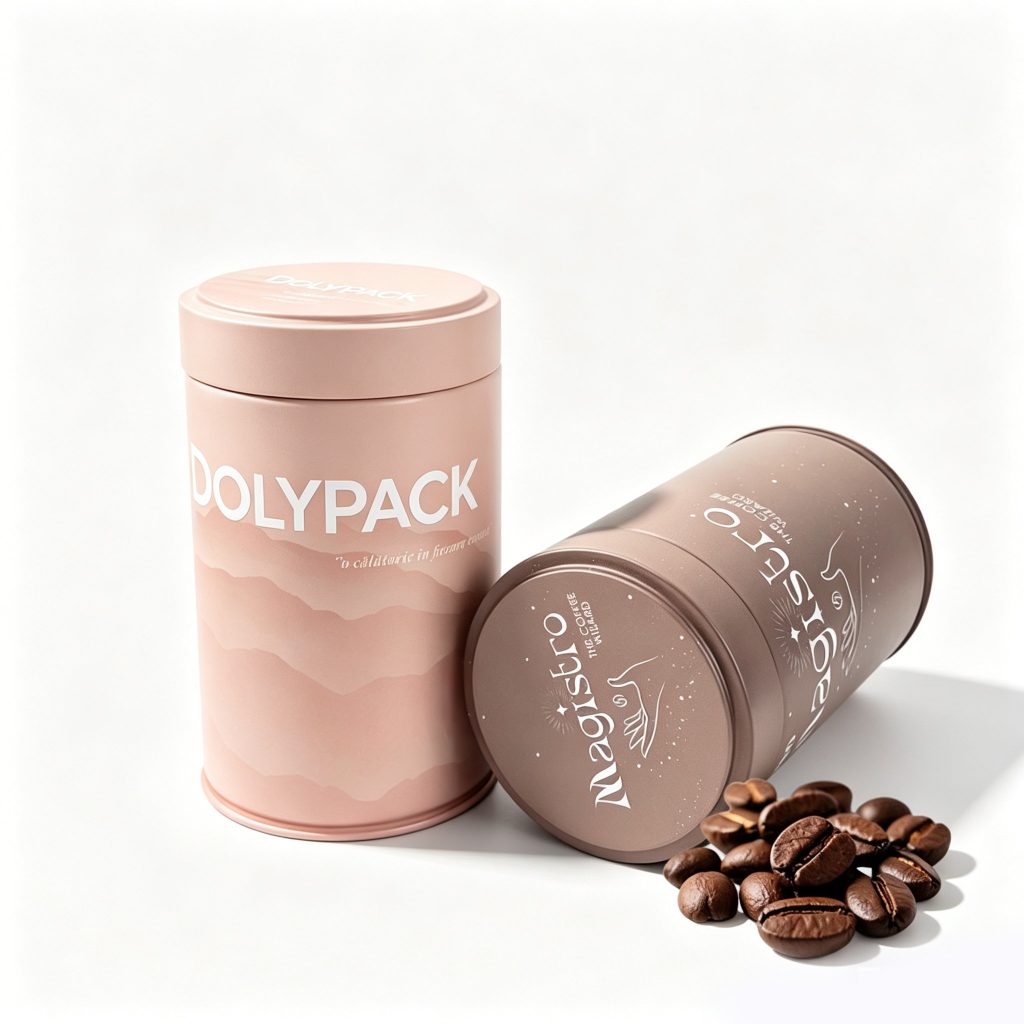
Narrow-cylinder formats hold ground or whole bean; see aluminum coffee tins.
-
Cosmetics & balms
Smaller-diameter cylinders suit sticks and creams.
-
 Bath salts
Larger cylinder capacities fit bulk fill; see bath salt tins.
-
Gifting
A tall cylinder reads as a premium unit on a shelf; see gift tin box.

Sourcing Process: MOQ & Lead Time by Decoration Type
MOQ and lead time scale with how the tin is decorated, and indicative bands look like this:
| Decoration Route | Indicative MOQ | Indicative Lead Time |
|---|---|---|
| Stock body + printed label | ~3,000 pcs | ~20–25 days |
| Stock body + full-color wrap or spot varnish | ~5,000 pcs | ~25–35 days |
| New embossed/debossed die or custom shape | ~10,000 pcs | ~35–50 days |
These are typical starting points, not quoted commitments — exact MOQ, sample terms, and timing are confirmed once your artwork, decoration method, and target quantity are reviewed. Start that review with your specs.
Why Source Cylinder Tins from DOLYPACK
More than 441 references have shipped to over 80 countries across candles, cosmetics, food and beverage, wellness, pharmaceutical, and pet packaging. This is the same production base that supports cylinder tin orders.
That decade-plus track record in metal packaging comes with an in-house tooling team, so a project can move from an existing cylinder mold with new printing to a fully custom die without switching suppliers mid-project.
FAQ
Is there a fixed MOQ for cylinder tins?
No fixed number applies across all projects. A stock body with a printed label needs a smaller run than a project requiring a new embossed die or custom shape; the exact figure is confirmed during quote review.
Does a sample cost extra, and how long does it take?
Sample cost and lead time aren’t published as fixed figures; they’re confirmed alongside MOQ once your container, decoration, and artwork are reviewed together.
What artwork format do you need for custom printing or embossing?
Vector formats — AI, EPS, or vector PDF — are preferred, since tooling for embossing and dies is cut directly from vector paths rather than raster images.
Should I choose a screw lid or a slip lid?
A screw lid seals tighter and suits travel or products reopened often; a slip lid is faster to open and close and works well for retail display or single-use gifting.
Related Products
You May Also Like
Other popular tin and metal packaging from our in-house catalog.
Request a Cylinder Tin Quote
Send your target capacity, lid type, and any artwork to get a cylinder tin quote and sample reviewed against your production and decoration needs.