Get a Quote
Choosing between a tin case and its alternatives comes down to four factors: how well the material blocks light, oxygen, and moisture; how much weight it adds to a shipment; what it costs per unit at your target volume; and how it fails when mishandled — a dent, a crack, or a shatter. A tin case, the umbrella term for lidded metal packaging made from tinplate or aluminum, trades a higher unit cost and added shipping weight for denting rather than cracking, and for a lower total landed cost over a product’s shelf life once protection and reuse are factored in. Plastic, glass, and paperboard each solve a different piece of that equation, and the terminology around cans and tins gets confused often enough to clarify before requesting quotes.
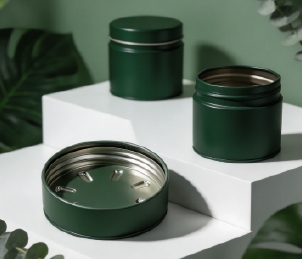
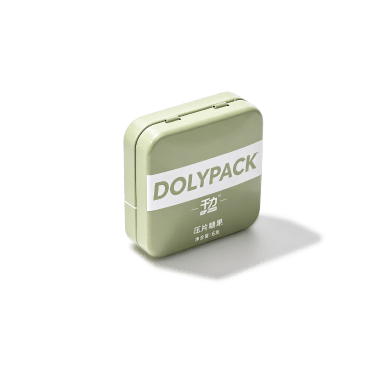
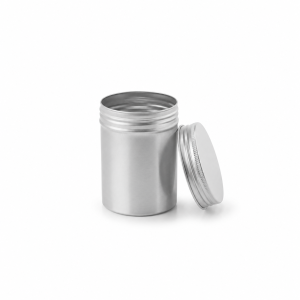
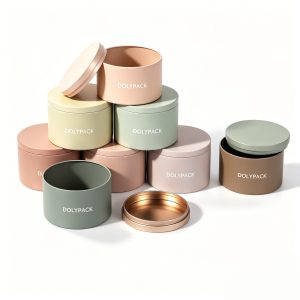
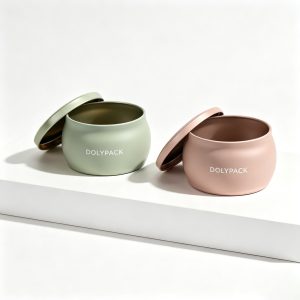
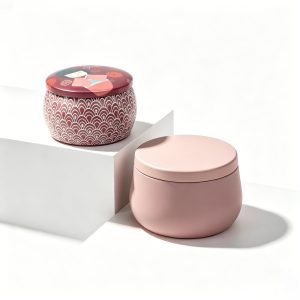
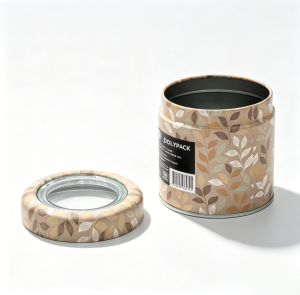
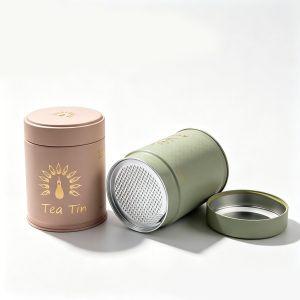
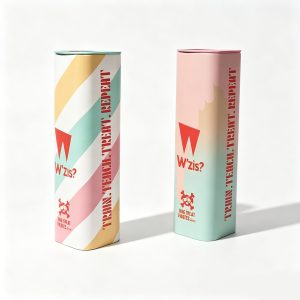
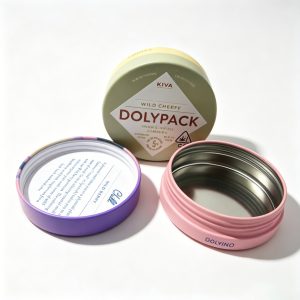
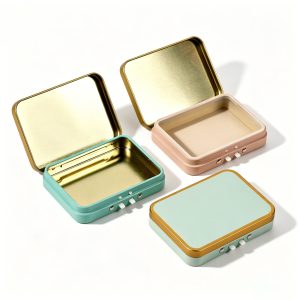
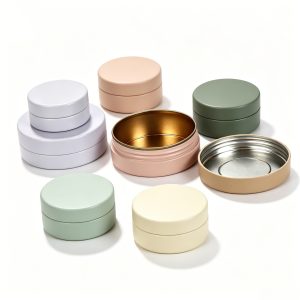
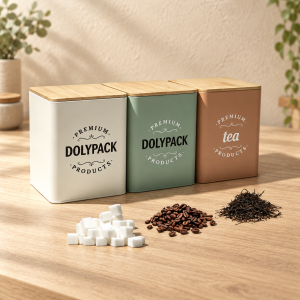
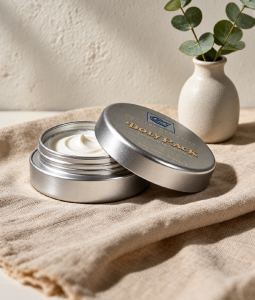
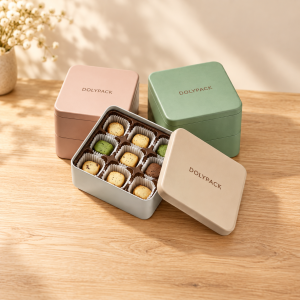
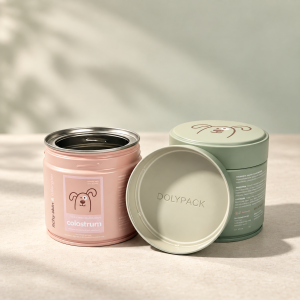
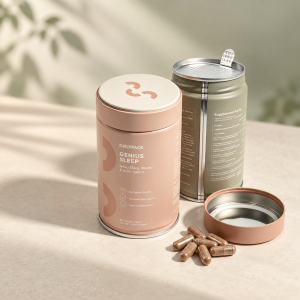
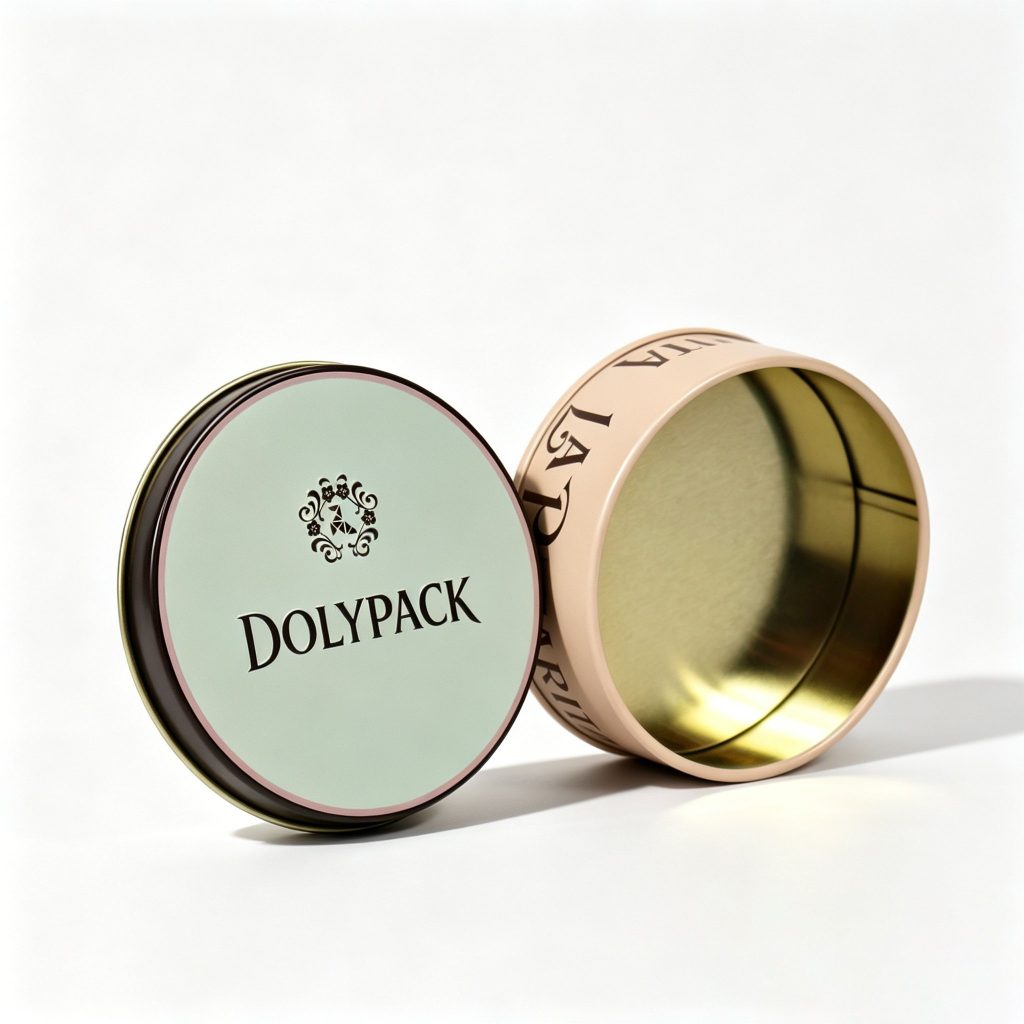
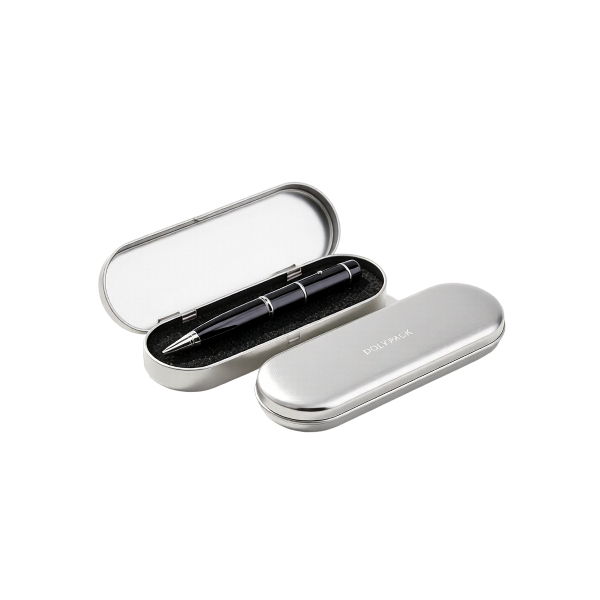
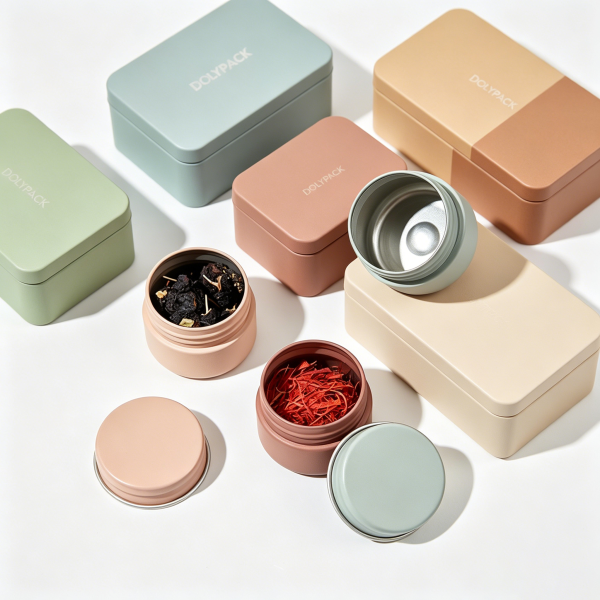
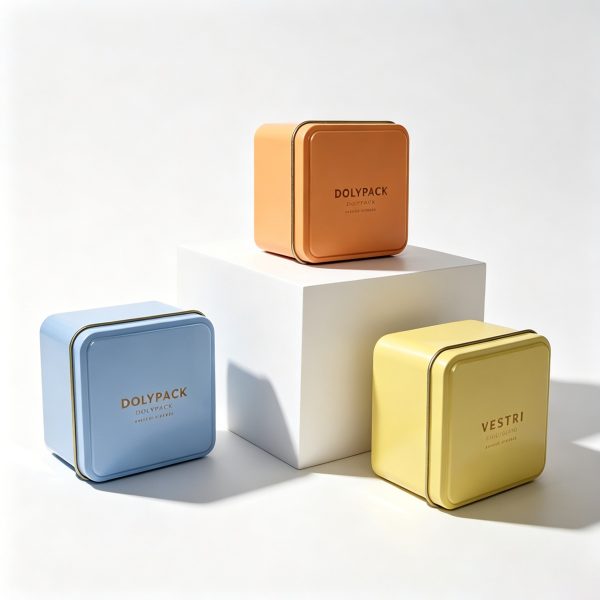
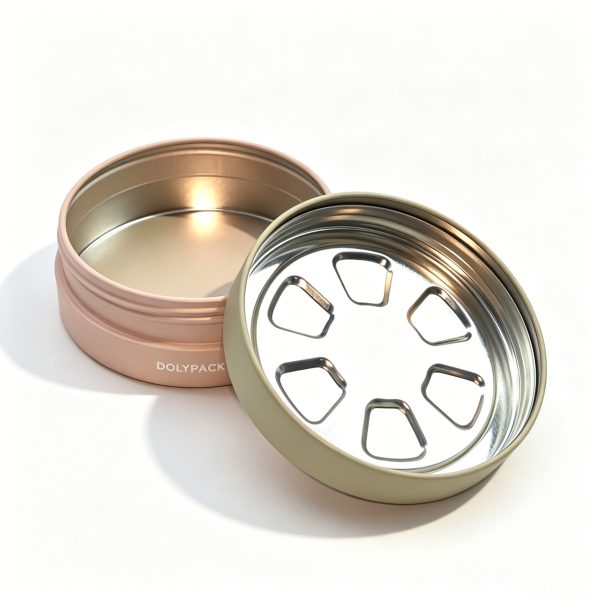
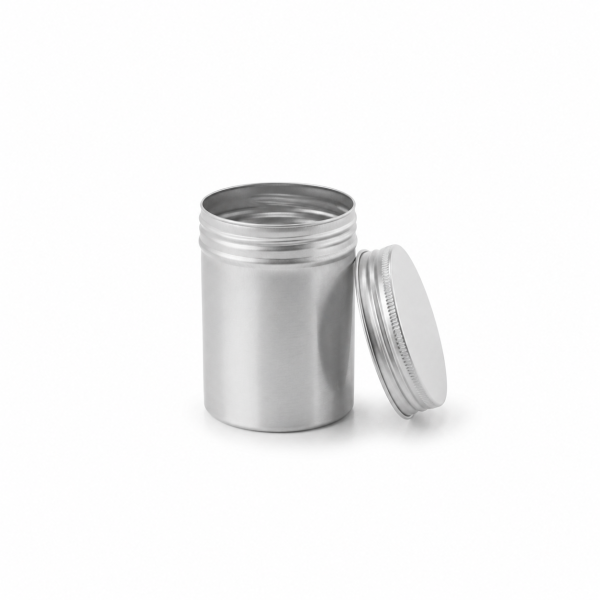
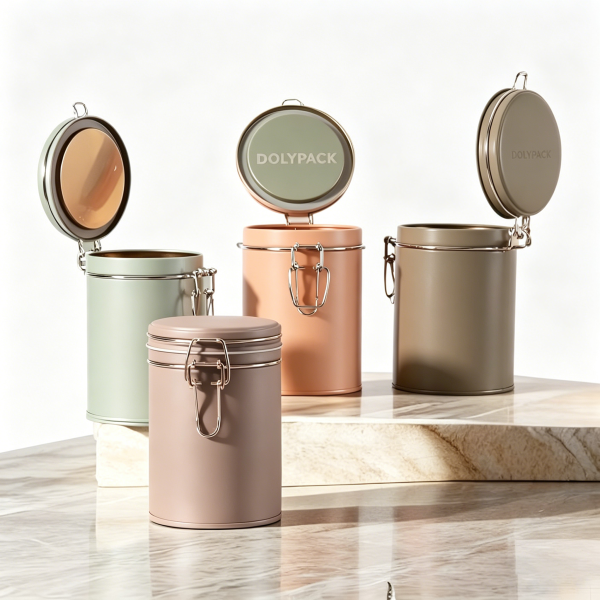
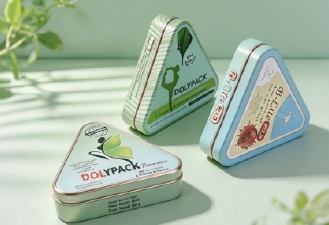
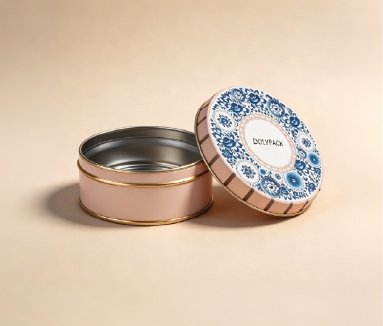
A tin case isn’t one product — it’s a category. It covers several distinct closure styles: slip-lid tins that pop off by hand, screw-lid jars for creams and balms, hinged tins that stay attached at one edge, and click-lid or friction-fit tins that seal with a snap. Shapes vary too — round, square, rectangular, and flat profiles all fall under “tin case,” “metal tin container,” or “tin box” depending on who’s describing them.
Wall or gauge thickness for tinplate packaging commonly runs 0.2–0.25 mm — thick enough to hold a crisp embossed pattern and resist denting from normal handling, while aluminum can run thinner for a comparable feel of rigidity. Aluminum catalogs commonly span 5 ml to 6,000 ml in capacity, with screw caps sized independently from roughly Ø17.5 mm to 89 mm — the format decision and the size decision are separate conversations with a supplier.
The words get used interchangeably in casual conversation, but they describe different objects to a packaging buyer.
Cans are typically seamed or welded cylindrical containers — think beverage cans or bulk food cans. They’re built for single use: you open them by cutting, piercing, or pulling a tab, and they’re not designed to be re-closed and reused as retail packaging.
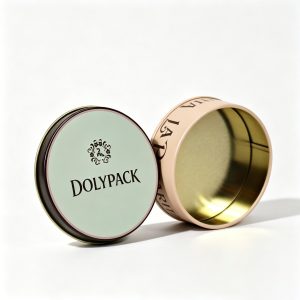
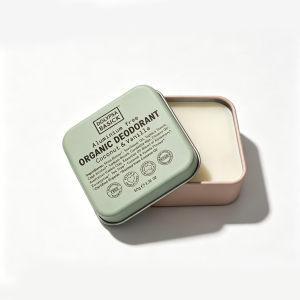
Tins are lidded boxes or jars — round, square, or rectangular — engineered to be opened and closed repeatedly. They’re the format brands choose for retail-facing products: candles, cosmetics, tea, candy, supplements. A tin’s lid is the point of the design; a can’s opening usually isn’t meant to close again.
If you’re requesting quotes, specify closure type and reusability rather than saying “can” or “tin” and assuming the supplier will guess correctly — the two terms cover genuinely different manufacturing processes and end uses.
Plastic is the default comparison because it’s everywhere. A few factors decide which one actually fits your product:
Neither wins outright. Plastic wins on volume-driven unit economics; tin wins where protection and shelf presence matter more than shaving grams off a shipment.
Glass gets compared to tin less often, but the trade-offs are sharper:
Choose glass when showing the product through the container is the point (visible liquids, layered contents). Choose tin when protection and shipping durability outweigh visibility.
Paperboard competes on a different axis entirely — it’s rarely chosen for the same reasons as tin.
Paper wins for disposable, low-cost, short-life goods. Tin wins where the container itself is expected to be reused or where the product needs real barrier protection.
| Factor | Tin Case | Plastic | Glass | Paper/Cardboard |
|---|---|---|---|---|
| Shipping weight | Moderate | Lightest | Heaviest | Lightest |
| Barrier protection (light/oxygen) | Strong (opaque by default) | Varies by resin | Needs tinting/coating | Weak |
| Failure mode | Dents | Cracks/splits | Shatters | Crushes |
| Reusability | High | Moderate | High | Low |
| Decoration options | Embossing, printing, finishes | Printing, molding | Etching, printing | Printing |
| Cost tier | Mid-to-premium | Budget-to-mid | Mid-to-premium | Budget |
| Best fit | Premium, repeat-use, sensitive contents | High-volume, price-sensitive | Visible-liquid products | Disposable, low-cost, dry goods |
Run your product through these questions before requesting quotes:
Once the format is decided, browse aluminum and tinplate packaging spanning 5 ml to 6,000 ml to see the range of tin and jar styles available before requesting a quote.
Buyers hit this question in two different ways, and each closure style opens and recloses differently, which affects which sourcing route makes sense.
Stock or wholesale tins — existing molds in common sizes and shapes, ready for a distributor to ship with minimal lead time. Stock tins skip tooling entirely since the mold already exists, which is why this route suits small runs, sampling, or launches where a standard shape works fine with your own labeling.
Custom manufacturers — factories with in-house tooling that can develop bespoke shapes, embossed or debossed surfaces, and branded finishes from scratch. Custom tins require tooling and typically at least one sample round before a production order is confirmed, which adds time up front but produces a container that matches your brand exactly, down to lid style and surface pattern.
Whichever path fits, MOQ, lead time, and final cost are only confirmed after a supplier reviews your container drawing, artwork, and target quantity. If you’re ready to move from research to quote, contact us with your artwork and target volume.
Higher unit cost than plastic or paper at low volumes, added shipping weight compared to plastic, and denting risk if mishandled in transit or storage. The trade-off is durability, opacity, and a premium feel that lighter materials don’t replicate as easily.
It depends on your priority. Tin wins on barrier protection, premium perception, and reuse potential; plastic wins on unit cost and shipping weight for high-volume, price-sensitive products. Neither is universally “better” — match the material to the product and budget stage.
Cost varies by size, wall thickness, and decoration method like embossing or printing. It typically sits in a mid-to-premium packaging tier compared with plastic or paper, with cost scaling alongside gauge thickness and how elaborate the decoration is.
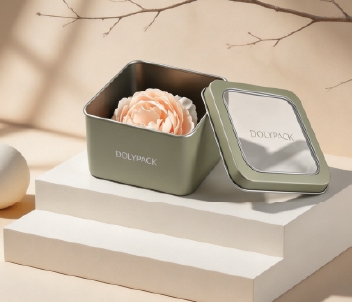
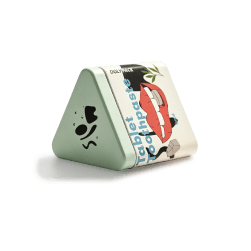
Common formats include slip-lid, hinged, screw-top, click-lid, and square 3-piece tins, available in round, square, rectangular, and flat profiles. Some also include a window panel in the lid for visibility into the contents without opening it.
Tin case packaging commonly uses tinplate in the 0.2–0.25 mm range, thick enough to hold an embossed pattern and resist denting from normal handling, while aluminum runs thinner for a comparable feel of rigidity. Thicker gauges add cost and weight, so gauge is usually matched to the container’s size and how much stacking or shipping stress it will see.
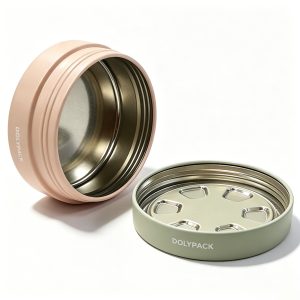
Tin containers holding food, cosmetics, or anything that contacts skin need a food-safe interior lining or lacquer coating to prevent the metal from reacting with the product. This is a coating question separate from the container’s decoration, and the right lining depends on what the container will hold.
Metal — both tinplate and aluminum — is widely recyclable through standard scrap-metal recycling streams and can typically be reprocessed without losing material quality. Whether a specific container gets recycled in practice depends on local collection programs and whether the consumer sorts it correctly.
Send your target material — aluminum or tinplate — fill volume, quantity, and preferred decoration method. We typically respond within 12 business hours with pricing and lead time.
Request a free aluminum tin sample to check quality before ordering. Review aluminum tin cost factors to budget your first run, or explore customization options for printing, finishes, and accessories.