Get a Quote
Square Metal Tins Materials: What They’re Made Of and What That Means for You
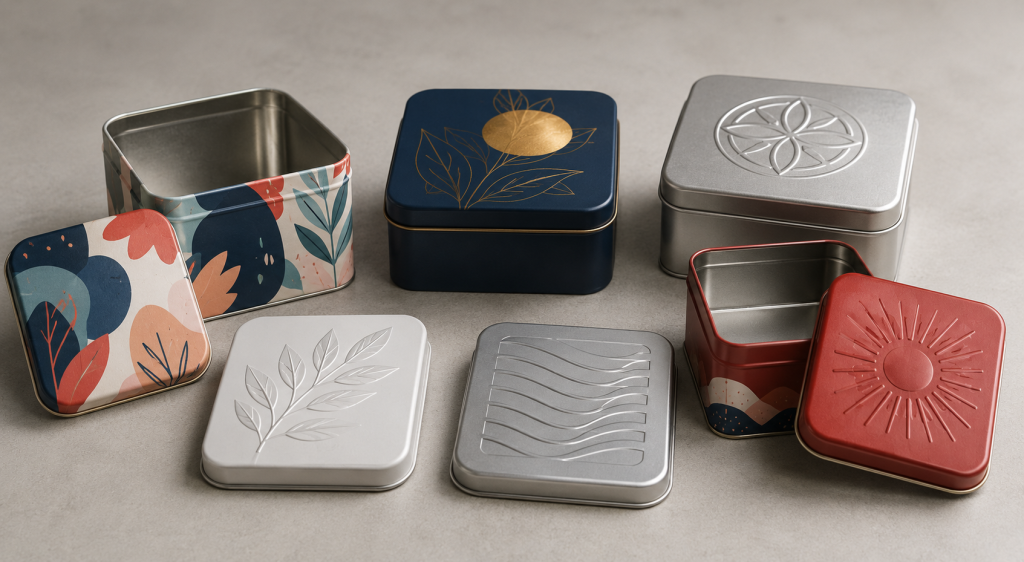
Square metal tins are made from tinplate steel or aluminum. Tinplate — steel coated with a thin layer of tin, typically run at 0.18–0.32mm gauge with a coating weight around 2.8/2.8 g/m² on each side — holds its shape and embosses cleanly at production volume. Aluminum, usually alloy 3003 or 5052 in this application, trades some of that rigidity for lower weight and a different corrosion profile.
What Are Square Metal Tins Made Of?
Tinplate is steel run through an electrolytic tin-coating line, then stamped and formed into a body and lid. The steel core gives the tin its rigidity, which is why square corners hold their shape under stacking pressure, and the tin coating protects the steel underneath from rust. At 0.18–0.32mm, thicker gauges within that range sit stiffer and emboss deeper; thinner gauges flex more and are reserved for smaller footprints where rigidity matters less. See Tin vs Aluminum: What’s the Difference? for where the two materials genuinely diverge.
Tinplate Steel Construction
The tin layer at 2.8/2.8 g/m² is corrosion-resistant on its own, and steel packaging has decades of history behind it — part of why tinplate is still the default rather than a legacy holdover. Brands pick it because it holds a crisp emboss, takes print and lacquer evenly, and stays rigid in larger square formats where a thinner material would bow at the corners.
Aluminum Square Tins (When Brands Switch)
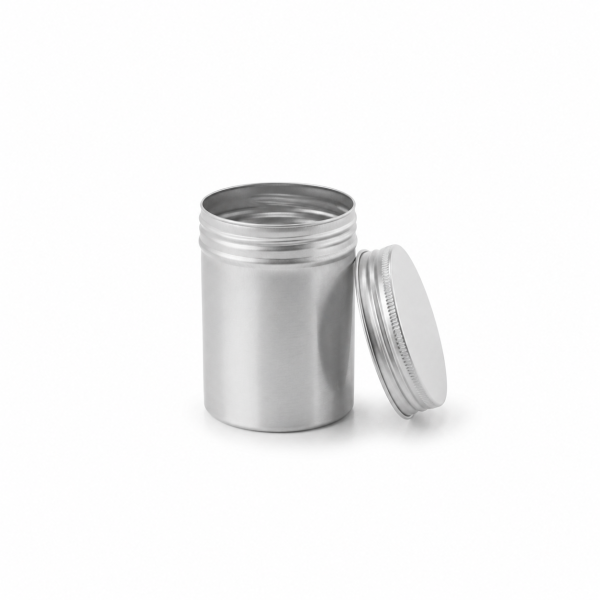
3003 and 5052 aluminum trade rigidity for weight savings and a different corrosion mechanism — aluminum forms its own protective oxide layer rather than relying on an applied coating. That opens up finish options tinplate doesn’t have, like anodizing, and it changes the cost math: aluminum tin cost runs on different drivers than tinplate. Aluminum’s recyclability also factors into the recyclable aluminum tin vs plastic packaging comparison.
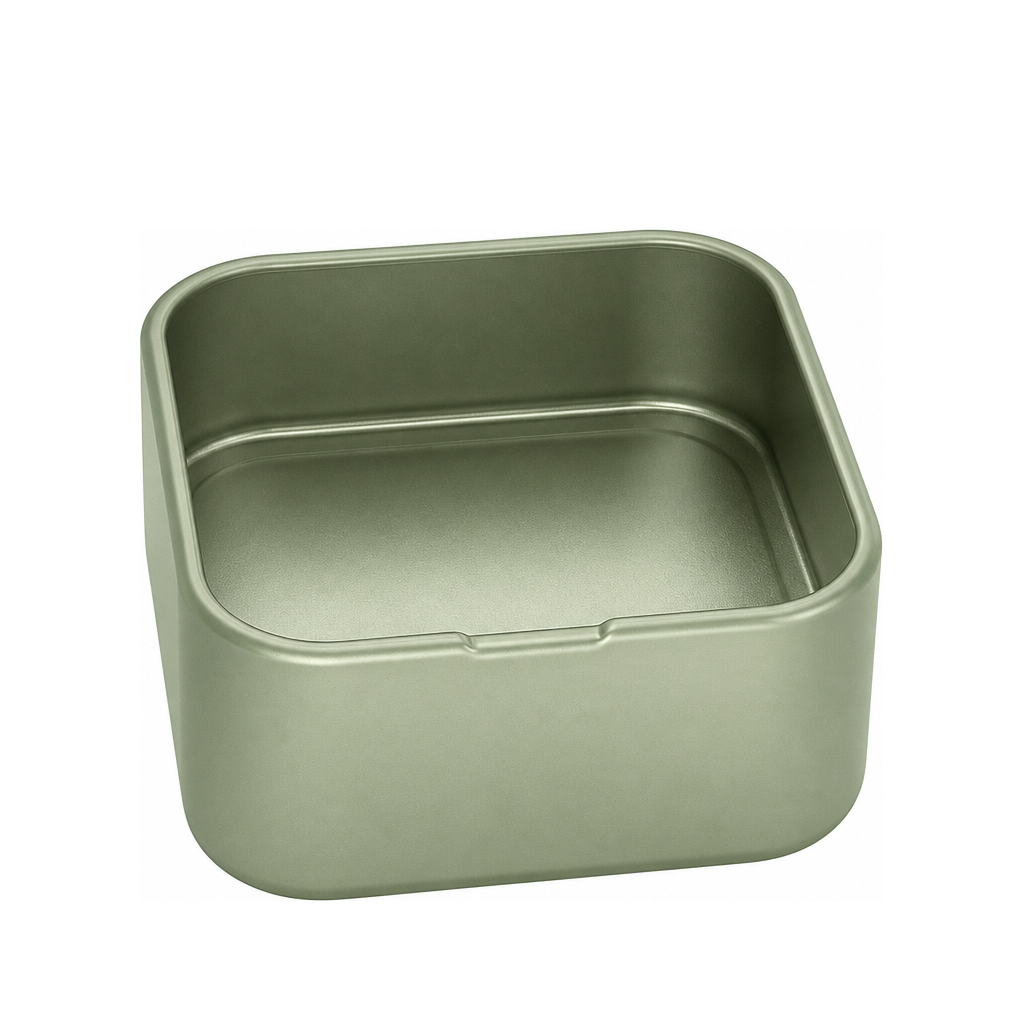
Coatings, Linings & Food Contact
Both materials are typically lined on the interior so the product never sits against bare metal. Three lining chemistries cover most contents: epoxy-phenolic, the standard for acidic or aggressive contents because of its chemical resistance; acrylic, a lower-cost general-purpose option; and polyester, used where flexibility matters more than chemical resistance. Coatings formulated for food contact in this category are generally designed against frameworks like FDA 21 CFR 175/177 (resinous and polymeric coatings) in the US and EU Regulation 1935/2004 (materials intended to contact food) in Europe. Contents matter too: candy and confectionery are more sensitive to metal contact than candles or dry cosmetics, so lining choice shifts with what’s going inside — tea and coffee bring their own humidity-driven lining and reseal needs, covered in the tin cans guide. Compare metal against plastic or glass more broadly at Square Metal Tins vs the Alternatives: How to Choose.
Finishes & Decoration — How Material Affects Look
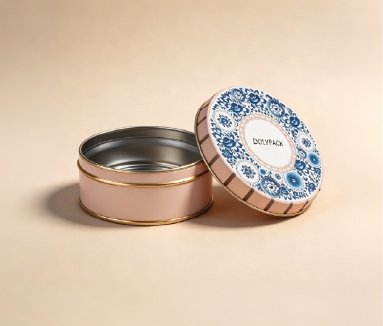
Finish sits on top of base material, not instead of it — matte, glossy, metallic, and lacquered looks are surface treatments applied to either tinplate or aluminum. But the base material changes how decoration behaves: steel’s rigidity holds a deeper, cleaner emboss than the thinner-gauge aluminum typically used in square formats, while aluminum takes anodized color more evenly than tinplate does. Embossed Tins Materials: Which One to Choose breaks down die depth and artwork limits. Lid material matters too: a body in one metal paired with screw top closures needs threads cut cleanly into whichever material the lid uses.
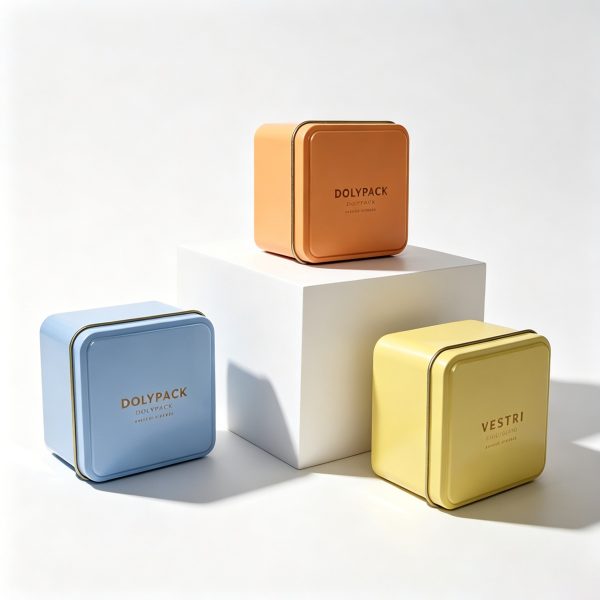
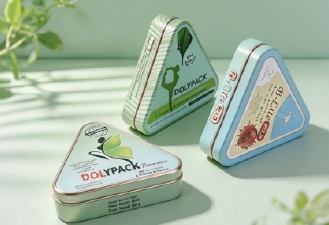
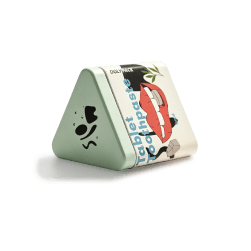
Square-format products: Square, Rectangular, Cookie tins, Candy tins, Candle tins.
Where Square Tins Fail in Production
Three failure modes trace straight back to material and gauge choice. Corner bowing happens when a gauge that’s fine for a small tin is used on a larger square footprint — the flat panel flexes and the corner loses its crisp line under stacking weight. Emboss cracking shows up when a pattern’s depth or fine detail exceeds what the metal can stretch into at a given gauge, leaving hairline cracks at the raised points. Rust starts almost exclusively at the seam or at a pinhole in the coating or lining, where bare metal gets exposed to moisture — a defect in the tin coating or lacquer layer, not the base steel itself. Matching gauge and lining to size and contents before tooling is cut avoids all three.
Where Can I Buy a Metal Tin?
Marketplaces and packaging distributors sell fixed sizes and finishes off the shelf — useful for testing a product before committing to a custom run. For brand-specific square tins with your own dimensions, print, or embossing, custom square tin boxes come from a manufacturer that quotes tooling, material, and decoration together. Bulk sourcing and MOQ questions are covered in the wholesale tin containers guide.
How Much Is the Metal Tin Worth?
Price moves on the same drivers every time. Material: aluminum costs more per kilogram than tinplate, though it weighs less per unit, so the net gap varies by size. Gauge and wall thickness: heavier gauge means more material and a higher unit cost. Lid type: a screw top or hinged lid typically adds 10–20% over a simple slip lid because of the extra tooling and assembly step. Decoration: single-color screen printing is the cheapest method; embossing and multi-color or custom-color printing can add 15–30% or more because of dedicated tooling and plates. Volume: low-volume runs of a few hundred units often cost several times more per unit than a run in the tens of thousands, since tooling cost amortizes over the full order. These are relative patterns, not fixed prices — the exact number depends on all five variables together.
Where Can I Find Tin Metal?
Raw tinplate or aluminum coil comes from a metal supplier, not a container manufacturer — that’s the right path only if you’re feeding your own stamping line. Finished tin containers come from a manufacturer that sources the metal internally and delivers a finished body and lid. If square isn’t a firm requirement, round bodies are covered in the tin round box guide, and small-format metal tins fit balm or sample-size products better than a full square container. Material trade-offs across shapes more broadly are in Tin Case vs the Alternatives: How to Choose.
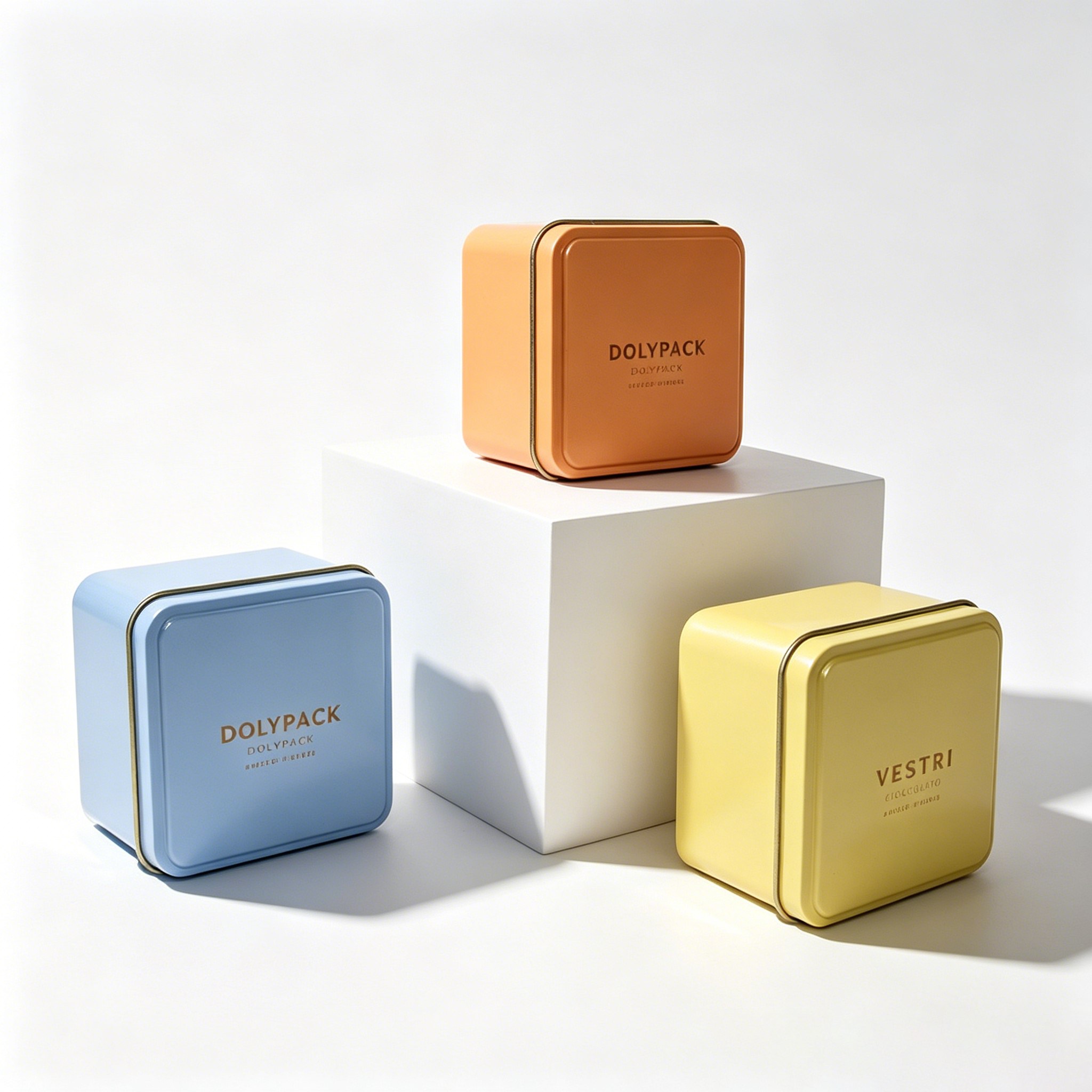
Send a drawing or reference size and get a material and gauge recommendation before tooling is cut.
FAQ
What are some common materials made of tin?
Pure tin is rarely used in packaging today because of cost — what’s called a “tin” is almost always tin-coated steel (tinplate) or aluminum. The tin itself, when present, is a thin protective layer over a steel base rather than the whole container.
How are metal tins made?
Sheet metal — tinplate steel or aluminum — is cut, then stamped or drawn into the body and lid shapes. Edges are curled or seamed for a safe finish, an interior lining is applied, and printing or embossing happens before final assembly.
What material is a tin box typically made of?
Tin-coated steel (tinplate) is the standard material for a tin box. Aluminum is used instead when a brand wants a lighter container or a finish — like anodized color — that tinplate can’t replicate.
What type of metal are vintage cookie tins made of?
Vintage cookie tins were almost always tinplate steel, with artwork often lithographed directly onto the metal rather than printed on a separate label. That construction is part of why old cookie tins are still so durable decades later.