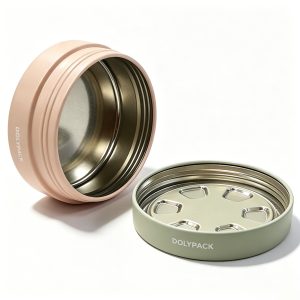
Get a Quote
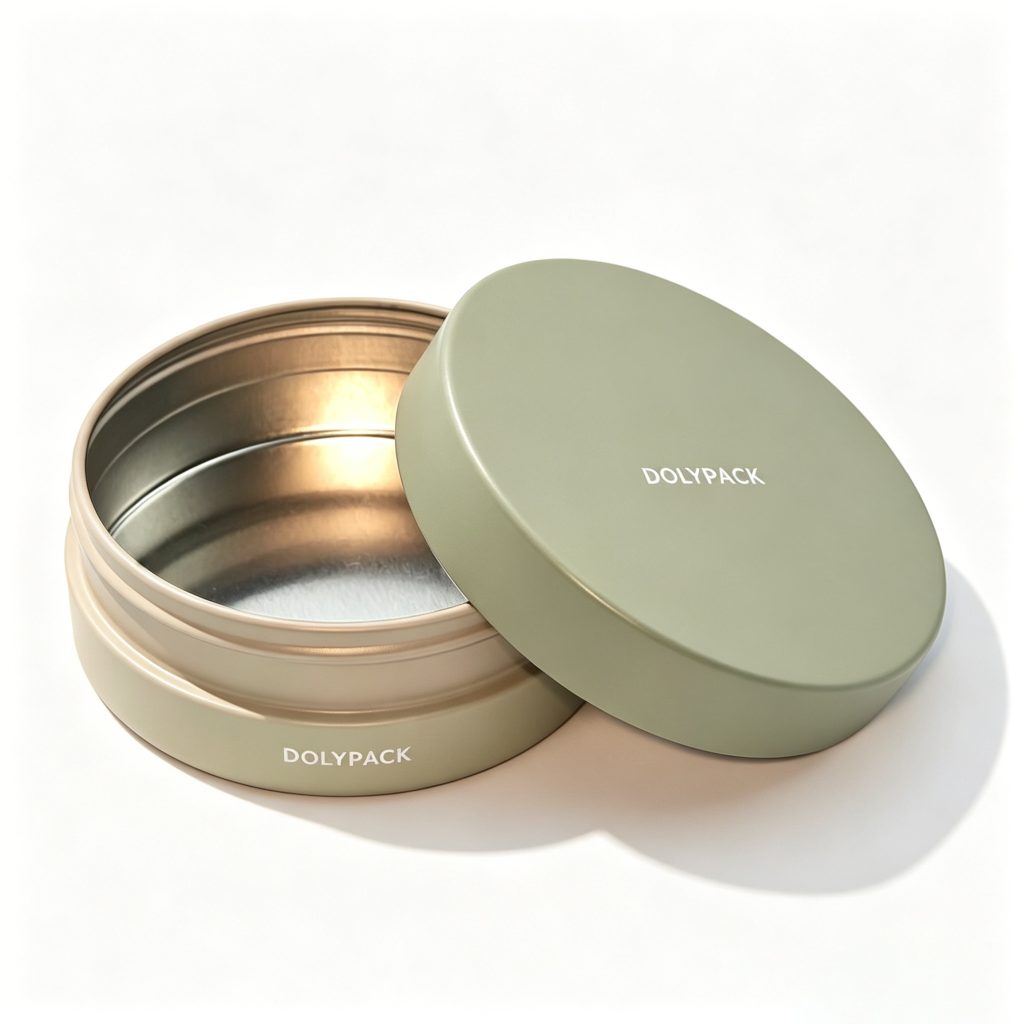
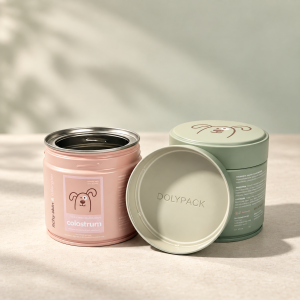
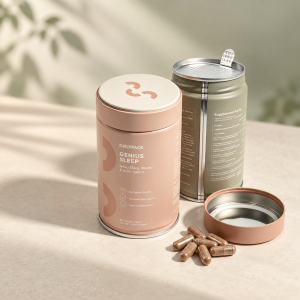
Key takeaways: A tin round box is also called a round tin canister, round metal tin, or cylindrical tin container — the names are interchangeable in the packaging trade. Built from tinplate or aluminum, the round shape trades some shelf-stacking efficiency for a softer, more premium look that suits candles, cookies, tea, and cosmetic gifts. Lid options include slip, hinged, and screw-top; material choice between tinplate and aluminum depends on your fill volume and barrier needs.
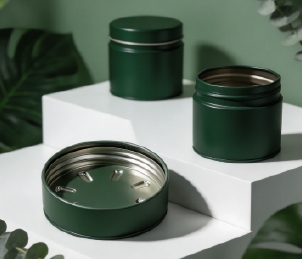
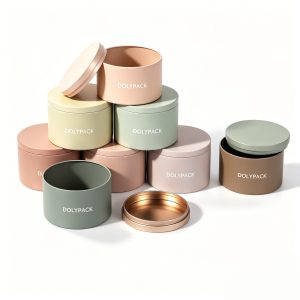
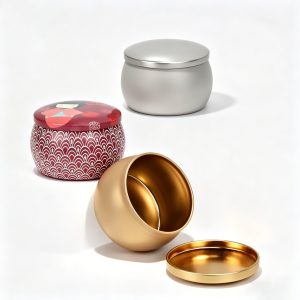
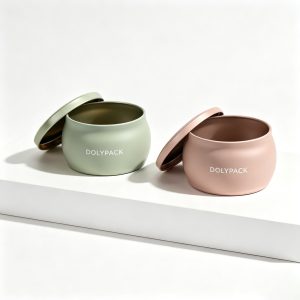
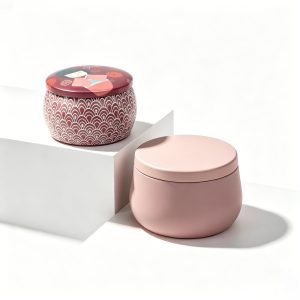
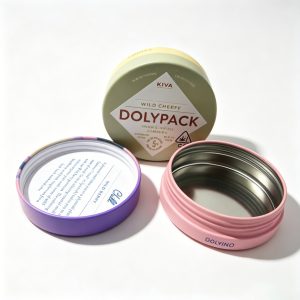
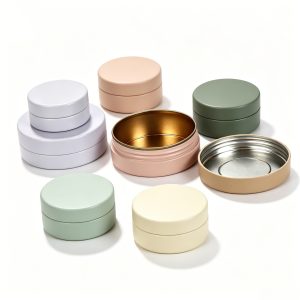
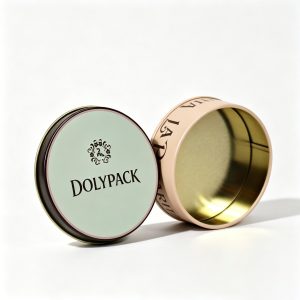
If you've seen a cylindrical metal container holding mints, loose-leaf tea, or a scented candle and wondered what to actually call it, the answer is simpler than the number of names suggests. Round tin canister, round metal tin, tin round box, and cylindrical tin container all describe the same object — a metal container with a circular cross-section, typically made from tinplate (steel coated with a thin layer of tin) or aluminum. None of these terms is more correct than another; manufacturers, retailers, and buyers use them interchangeably.
The material underneath the finish matters more than the name does. Tinplate gives a round tin its rigidity and a metallic ring when you tap the lid; aluminum versions run lighter and carry a different weight and cost profile. Wall thickness, weight per unit, and how each metal takes print are laid out in the tin vs. aluminum comparison. For a round tin specifically, "round tin box" describes the shape, not the metal — either material can take that cylindrical form depending on what you're packaging and how it's decorated.
DOLYPACK has manufactured aluminum and tinplate containers for more than 10 years, shipping to over 80 countries across a range that includes 441+ aluminum references and 195 tinplate references — round formats included in both. If you already know you want the round shape and are ready to look at real specifications, the Round Tin Box product line covers size ranges, lid options, and decoration methods in detail.
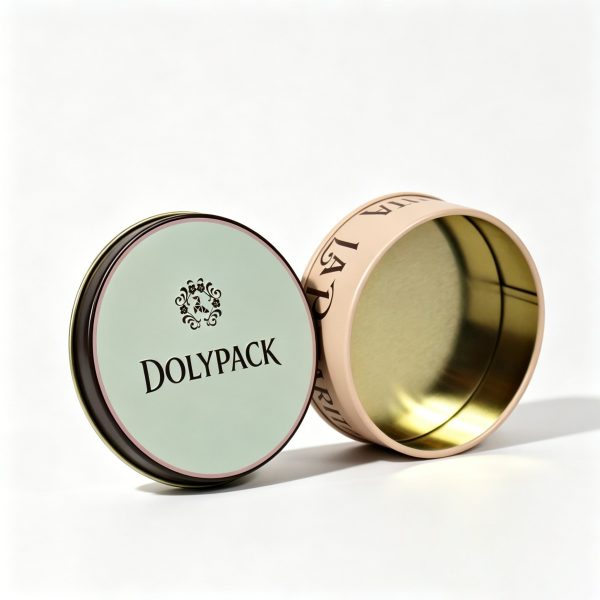
Round tins exist alongside square and rectangular tins for a reason — the shape itself does work that a box with corners can't. A cylinder has no edges to dent and no corners to crush in transit, with a continuous curved wall that reads as softer and more approachable on a shelf than a hard-edged box. That's a big part of why round tins dominate categories like candles, cosmetics, and confections, where the packaging is meant to feel like part of the gift rather than just a container for it.
There's also a one-hand-grip argument specific to cylinders: a round tin sits comfortably in the palm and twists open easily with a screw-top lid, something a square container of the same volume can't match as naturally. What round shapes give up in return is case-pack density, which the trade-off section below quantifies alongside the tooling cost of a custom diameter.
Durability built into the curve. A round tin's continuous wall has no corner to take the first hit during handling or shipping — impact spreads around the curve instead of concentrating on one edge, the way it does on a square panel.
Shelf life from a snug, uninterrupted seal. The curved rim on a slip, hinged, or screw-top lid closes without corner gaps, which matters for anything sensitive to light or air exposure — dried tea, candy, or a balm all hold up better sealed this way.
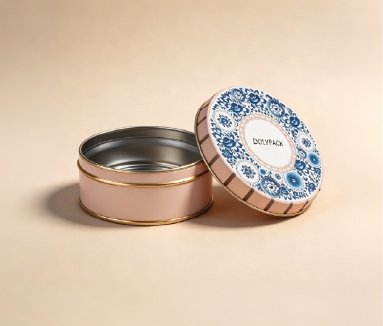
A gift-aisle look that comes from the shape itself. A round tin's soft curve signals "special occasion" before any printing is applied, which is exactly why candle, cookie, and tea gift sets default to this shape over a rectangular carton.
A shape people keep. The same palm-friendly curve that makes a round tin easy to open also makes it a container people want to reuse afterward — for craft supplies, pins, or a second batch of whatever it originally held.
Tooling cost for a custom round. A non-standard diameter or a fully custom round shape needs its own die, and that tooling investment is real — it's why many brands start with a standard diameter and customize through printing rather than the shape itself.
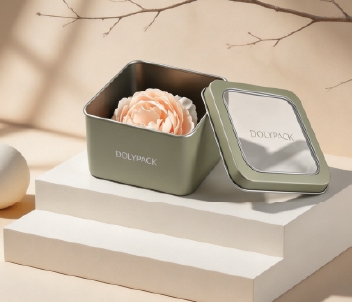
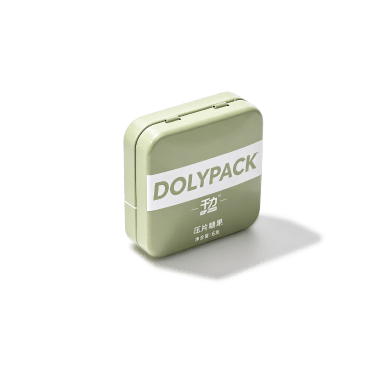
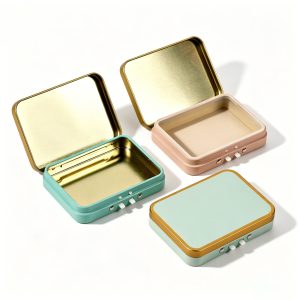
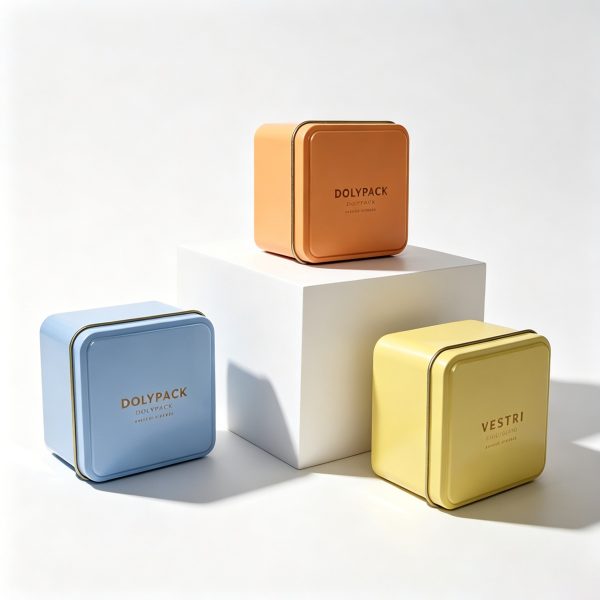
Case-pack space lost to the curve. Circles don't tile a rectangular carton without gaps the way flat-sided shapes do, so a case of round tins wastes more cubic space than the same case packed with square or rectangular tins. Square tins nest edge-to-edge without that waste — the mold-cost and case-pack math for that shape sits in the metal tins guide, useful if case density outweighs shelf presence for your product.
Round tins show up disproportionately often in gift contexts, and there's a practical reason: the shape signals "special occasion" without any printing at all, simply because it's less common on a grocery shelf than a rectangular box. A few categories where round tin packaging is the default gift format:
The common thread across all of these gift uses is that the tin itself is part of the perceived value — a reusable, better-looking container makes the whole gift feel more considered than the same product in a plastic pouch would.
Slip lids are the simplest and most common option — a friction-fit cap that slides over the tin's rim. They're inexpensive to produce, open with a simple pull, and work well for products that don't need a tamper-evident seal.
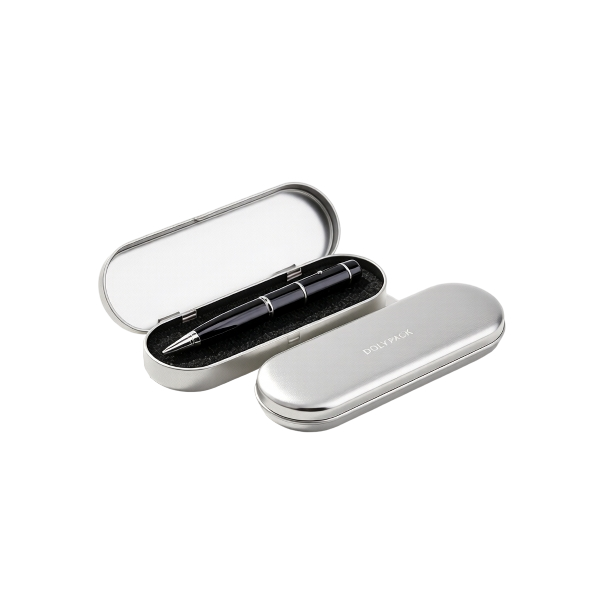
Hinged lids stay attached to the base along one edge, so the lid can't be misplaced and the tin opens with a single motion. This style suits gift tins meant to be opened and closed repeatedly — jewelry, small keepsakes, or reusable storage.
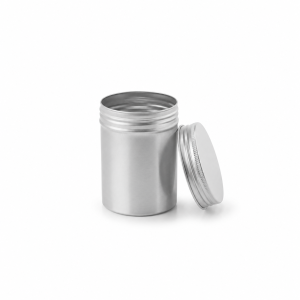
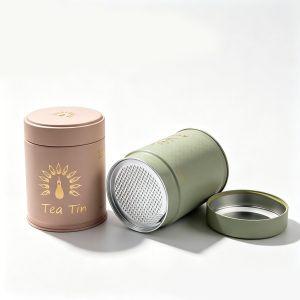
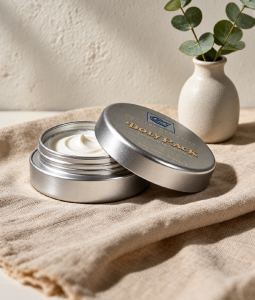
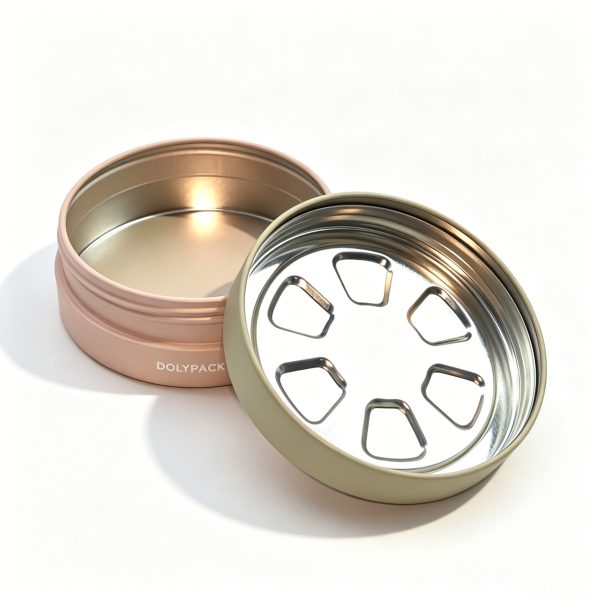
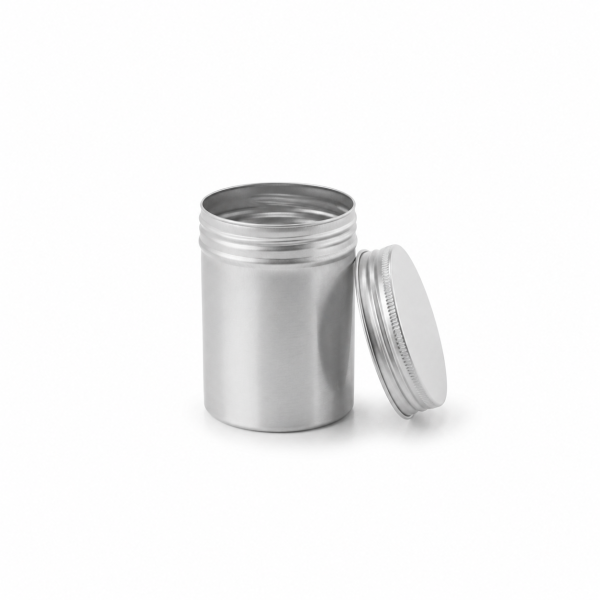
Screw-top lids thread onto the container for a more secure, resealable close — useful for anything that needs to stay airtight between uses, like loose powders or balms that get dipped into repeatedly. Thread pitch, cap material, and resealing strength vary across screw top tins options, the deciding factor between a single-turn cap and a deeper multi-turn closure.
Material choice interacts with all three lid styles. Tinplate round tins are the traditional choice — sturdy, with a solid metallic sound and feel, and well suited to full-body printing. Aluminum round tins run lighter, span a size range from roughly 5 ml up to 6,000 ml, and bring a natural barrier against moisture and oxidation along with being recyclable. Which one fits your product usually comes down to fill volume and whether weight — and therefore shipping cost — is a priority. Wall gauge, decoration method, and order volume are what actually move the number on a quote, and the aluminum tin cost breakdown shows which of those three matters most for a given order.
A round tin moves through the same OEM/ODM sequence regardless of whether the end product is a candle tin or a cosmetic jar: structure and size selection, printing and finishing, forming and assembly, and quality control before export.
Structure and size. Diameter, height, and lid type get locked in first, since these determine which tooling is needed. A standard round diameter avoids new mold costs; a custom diameter or shape requires its own die.
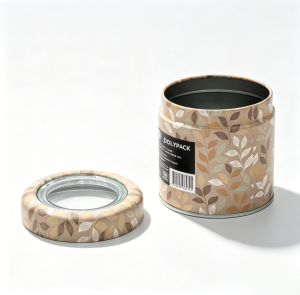
Printing and surface finish. The flat blank is decorated before or after forming depending on the technique — CMYK or Pantone spot-color printing, hot foil stamping, embossing, debossing, laser marking, or cut-out and window die-cuts for a see-through panel. Beyond print, the surface itself can be finished matte, glossy, frosted, metallic, lacquered, or anodized, which changes both the look and the barrier the interior surface provides against the product inside.
Forming and assembly. The decorated blank is cut and rolled into the cylinder body, and the base and lid are seated and sealed against it. Where a functional accessory is needed — an inner plug, a seal pad for a tighter close, or a tamper-evident band — it's added at this stage, before the unit moves to inspection.
Quality control. Finished tins pass through a multi-step inspection process — from raw material check to final unit — before packing for export.
For a round tin specifically, the decoration route you pick affects both budget and turnaround, and the order volume required isn't the same across every method. A tin can be laser-marked with no order minimum and turned around in as little as one to three business days, which is the fastest route available for a small test batch. A self-adhesive label also carries no minimum and typically ships in roughly four to six days, while screen printing — also open to any order size — runs about five to seven days. Embossed or debossed detail needs no minimum either but takes the longest of the no-minimum options, around ten to fifteen days, since the tooling for a raised or recessed pattern has to be prepared first.
Three heavier decoration routes step up the commitment: cut-out work, full-color printing, and custom ink colors all require a 5,000-piece order to run economically. A cut-out design — where sections of the metal are die-cut for a see-through effect — takes roughly fifteen to twenty days once the order is confirmed. Full-color printing and custom-color runs both sit around twenty-five days, since color matching and plate setup add time before production starts.
| Decoration Method | Minimum Order | Typical Turnaround |
|---|---|---|
| Laser marking | No minimum | 1–3 business days |
| Self-adhesive label | No minimum | 4–6 days |
| Screen printing | No minimum | 5–7 days |
| Emboss / deboss | No minimum | 10–15 days |
| Cut-out (die-cut) | 5,000 pieces | 15–20 days |
| Full-color printing | 5,000 pieces | ~25 days |
| Custom ink colors | 5,000 pieces | ~25 days |
These figures are indicative and subject to artwork approval and order confirmation — treat them as planning guidance rather than a locked quote. If a run is small and 5,000 pieces for full-color work isn't realistic yet, starting with a label, screen print, or laser-marked design lets a brand test the round tin format without triggering the higher-volume processes.
A short checklist before specifying a round tin:
Buyers weighing a round tin against multiple SKUs or shapes across one order should check MOQ tiers and consolidated ordering logistics in the tin containers guide before finalizing volumes.
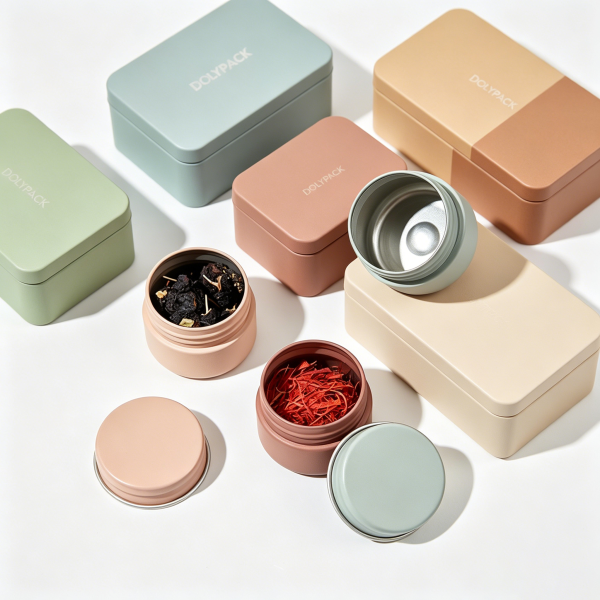
Round tin boxes sit in a well-established part of the metal packaging range — aluminum and tinplate references built for candles, confections, tea, cosmetics, and gift sets, with the same OEM/ODM workflow applied whether the order is a few hundred labeled tins or a few thousand full-color custom pieces. The Round Tin Box line has the specific sizes, lid mechanisms, and decoration options ready to review, while the OEM/ODM manufacturing process helps match the decoration method to the order size and timeline before committing to a mold. For a side-by-side look at what pushes the price up or down between materials and processes, review the aluminum tin cost breakdown above or contact DOLYPACK with your target material, finish, and volume.
What are those tin boxes called?
Round metal containers are most commonly called tin round boxes, round tin canisters, or round metal tins. All three terms describe the same shape and are used interchangeably by manufacturers and retailers — the underlying material can be tinplate or aluminum in any of them.
How to make a box out of tin?
A round tin moves through structure and size selection, printing and surface finishing (embossing, lacquering, or spot-color print), forming and sealing the cylinder body to its base and lid, and a multi-step quality check before packing. Custom diameters or shapes need a dedicated die; standard sizes skip that step.
What are the different types of tin boxes?
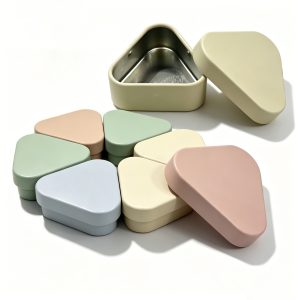
Tin boxes vary along three axes: shape (round, square, rectangular, or fully custom-molded), lid mechanism (slip, hinged, or screw-top), and material (tinplate or aluminum). Product categories built on these — coffee cans, candy tins, gift boxes, cosmetic jars — combine them differently depending on the fill volume and closure needed.
How to use tin boxes?
Beyond holding the original product, a round tin's palm-friendly shape makes it a natural second-life container — for craft supplies, pins, desk odds and ends, or repackaging a refill of the same product. Screw-top and hinged versions reseal cleanly for that repeated use; slip-lid versions work fine for occasional access.
What is a gift tin box used for?
A gift tin box packages a product in a way that adds perceived value beyond the contents — the metal container itself becomes part of the gift, since it's reusable and looks more considered than plastic or paper packaging. Common gift-tin contents include candles, confections, tea, and small cosmetic items.
What are some good gift items made of tin?
Candles, cookies and confections, loose-leaf tea, solid balms or loose cosmetic powders, and small craft or stationery sets are the most common products packaged in gift tins. Each pairs well with the round or square tin's ability to double as a keepsake after the product is used.
Are round tin boxes recyclable?
Aluminum round tins are recyclable, lightweight, and provide a natural barrier against moisture and oxidation, making them a reasonable choice where end-of-life handling matters. Tinplate recyclability depends on local recycling infrastructure, so it's worth checking regional collection programs rather than assuming universal acceptance.
Send your target material — aluminum or tinplate — fill volume, quantity, and preferred decoration method. We typically respond within 12 business hours with pricing and lead time.
Request a free aluminum tin sample to check quality before ordering. Review aluminum tin cost factors to budget your first run, or explore customization options for printing, finishes, and accessories.