Get a Quote
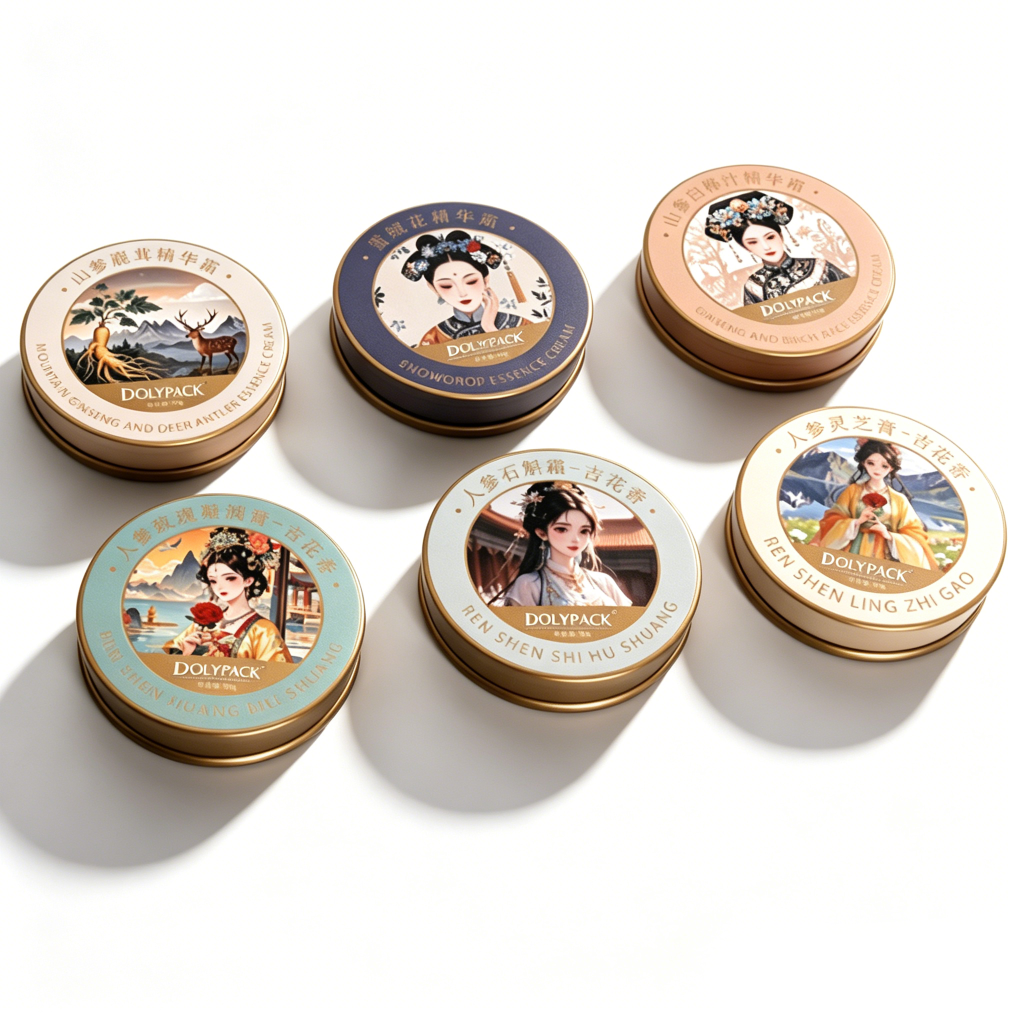
Lip balm packaging comes down to four decisions made in a fixed order: format, material, lid mechanism, and decoration method. Lock the lid before checking decoration MOQs and you'll often end up re-quoting the whole order. The sections below go in the order that keeps a quote request accurate the first time.
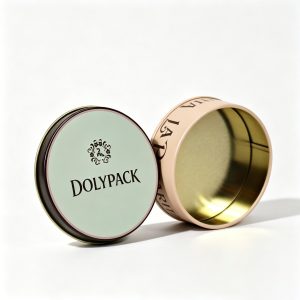
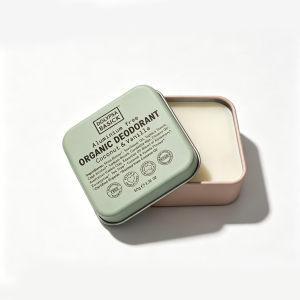
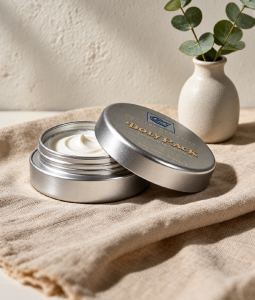
A lip balm container goes by several names — tin, pot, screw-top jar, and slide tin are all used interchangeably, and none of them is technically wrong. A lip balm tin specifically means a small metal container, usually shallow and round or rectangular, holding a solid or semi-solid balm applied by finger rather than by tube. That's distinct from a lip balm tube (twist-up plastic cylinder) and a lip balm jar (usually glass or plastic with a screw lid).
Round and rectangular metal options sized for standard balm volumes are listed under Lip Balm Tins & Containers.
The right container depends more on formula consistency than on branding preference — a firm, wax-heavy balm behaves differently in a tube than a soft, oil-rich one does in a tin.
| Format | Best for | Application | Refillable |
|---|---|---|---|
| Metal tin | Thick, balmy, or multi-purpose formulas (lip, cuticle, beard) | Finger-applied | Yes, easily washed and reused |
| Plastic tube | Standard firm balm sticks | Twist-up, no direct finger contact | Rarely |
| Glass/plastic jar | Soft balms, butters | Finger or applicator | Yes |
Tins tolerate a higher oil content because there's no push-up mechanism to leak around, and the wide opening allows pouring at a lower, gentler temperature than a tube requires. The trade-off is finger application, which some buyers see as less hygienic than a tube — a fair objection if a hygiene-focused customer is the target.
Material choice affects weight and finish more than lid compatibility: Tin vs Aluminum: What's the Difference? and Recyclable Aluminum Tins vs Plastic Packaging are the two comparisons that come up most before a material gets locked.
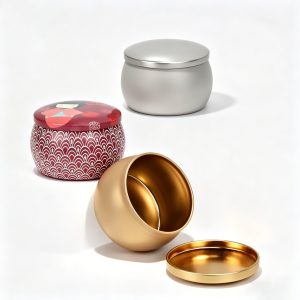
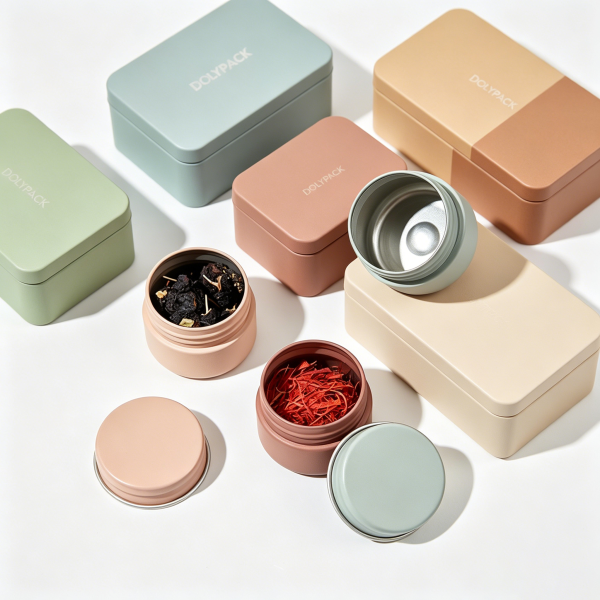
Aluminum is recyclable, lightweight, and provides a natural barrier against moisture and oxidation — useful for a product that lives in a pocket or bag and opens repeatedly. It also anodizes cleanly, giving a metallic base that takes matte or metallic-effect finishes without extra coating.
Tinplate runs slightly heavier and takes lacquered or printed finishes with a glossy, classic result more associated with traditional tin packaging. Gauge and wall-thickness figures across the aluminum range sit in Aluminum Tins — 2026 Technical Specifications, and the broader ranges each material comes from — Aluminum Packaging and Tinplate Packaging — cover formats well beyond lip balm.
Lip balm tins run small, and the two most common wholesale volumes are 1 oz and 2 oz. Approximate conversions and typical round-tin dimensions for reference:
| Size | Metric volume | Typical diameter | Typical depth | Best fit |
|---|---|---|---|---|
| 0.15 oz (slimline) | ~4–5 ml | ~28 mm (1.1 in) | ~8 mm (0.3 in) | Trial sizes, sample kits |
| 1 oz | ~28–30 ml | ~43–50 mm (1.7–2 in) | ~15–18 mm (0.6–0.7 in) | Standard single-use balm, most common wholesale pick |
| 2 oz | ~56–60 ml | ~50–60 mm (2–2.4 in) | ~19–23 mm (0.75–0.9 in) | Multi-purpose balm (lip, cuticle, beard), higher perceived value |
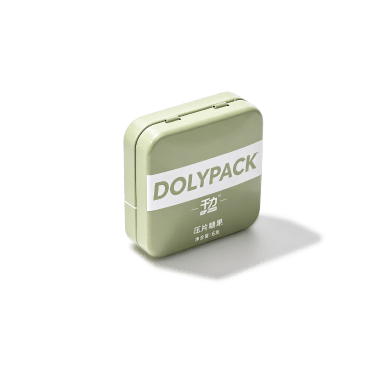
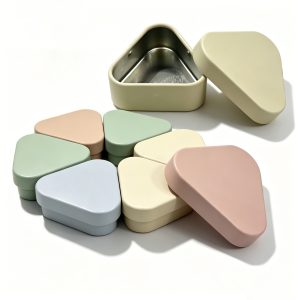
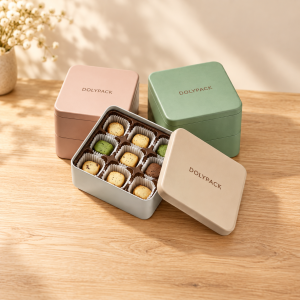
Figures above are typical for round lip-balm-format tins and should be confirmed against the exact SKU before finalizing label artwork. 1 oz Metal Tins and 2 oz Metal Tins Wholesale are the two standard wholesale volumes. A square or rectangular footprint trades round symmetry for a flatter label panel and different corner tooling — square metal tins options run on the same sizing logic, just with square corners instead of a curve.
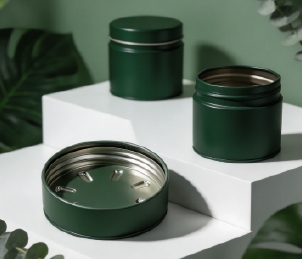
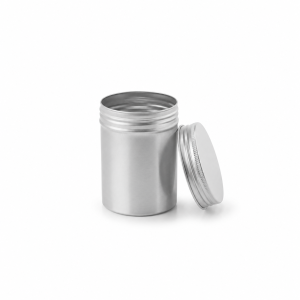
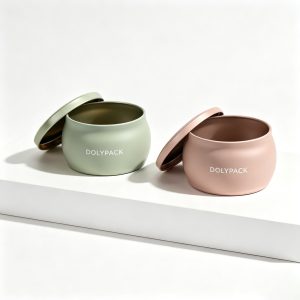
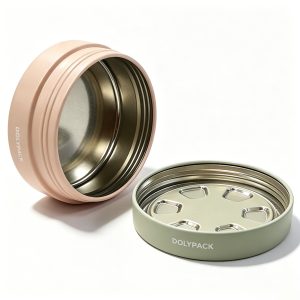
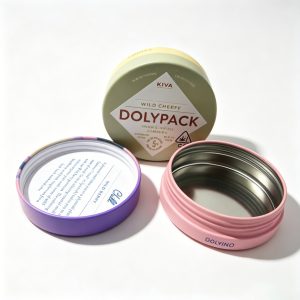
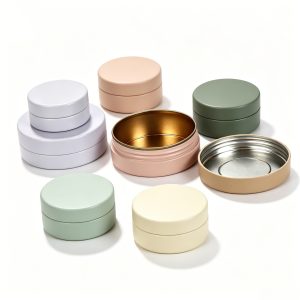
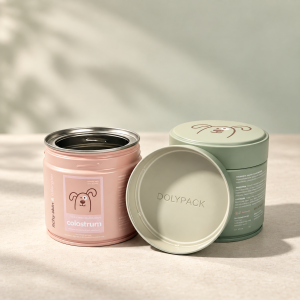
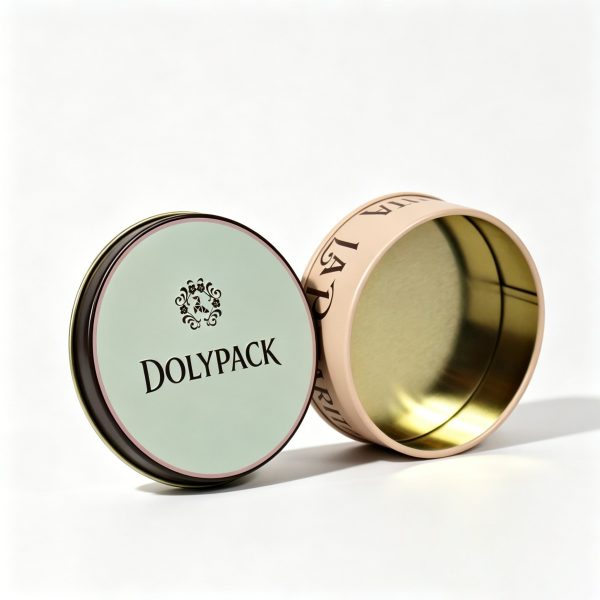
Screw-top lids seal most tightly against leakage, the standard pick for oil-heavy balms that would migrate past a looser-fitting lid over time. Screw Top Tins Explained: The Complete Guide covers thread depth and seal behavior for that mechanism.
Slide/slip lids open fastest with one hand and keep the cleanest, most minimal profile of the three — the same mechanism used across Aluminum Slip-Lid Tins for cosmetics generally, not only lip balm.
Click-lid tins snap shut with an audible seal that sits between screw-top security and slide-lid speed, a format built into Aluminum Click-Lid & Square 3-Piece Tins.
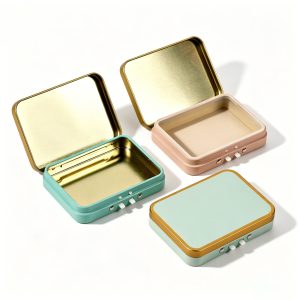
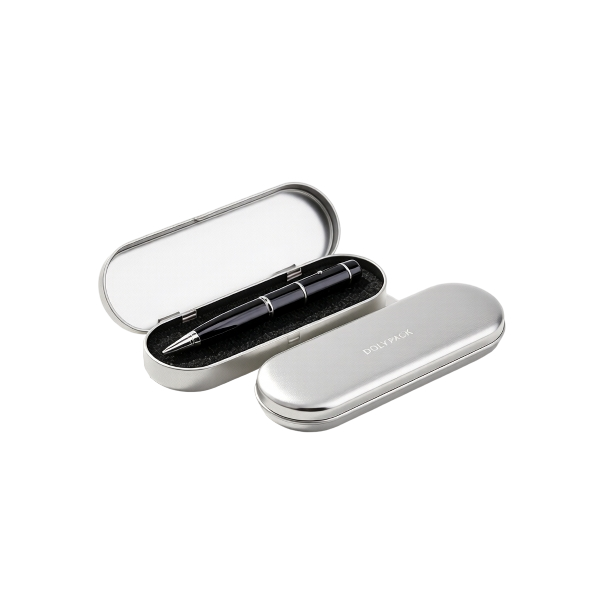
Hinged lids stay attached to the base, closing like a small case rather than separating into two loose pieces — a premium, gift-oriented feel available under Hinged & Slide Tins.
Balm is poured hot into a leveled, uncapped tin, filled to roughly 1–2mm below the rim so the surface doesn't dome or overflow once solid. Tins stay uncapped while cooling; capping before the balm fully hardens traps condensation and can leave a cloudy or pitted top. Once set at room temperature, the rim gets wiped clean before the cap or lid goes on.
At minimum, a lip balm tin needs a net weight, an ingredient list, and a brand name somewhere on the container or an applied label. Requirements get more detailed fast once a formula makes an SPF or medicinal claim, which shifts it toward drug-adjacent labeling rules — these are general awareness points, not compliance guidance, and specifics should be checked against current regulatory sources before artwork is finalized.
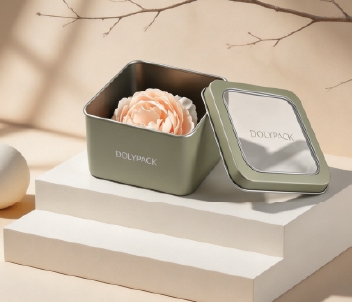
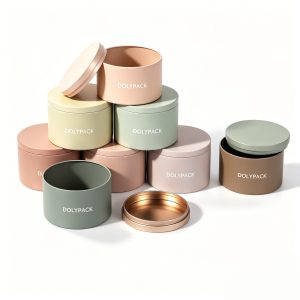
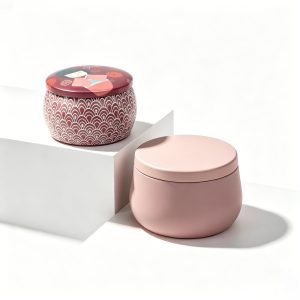
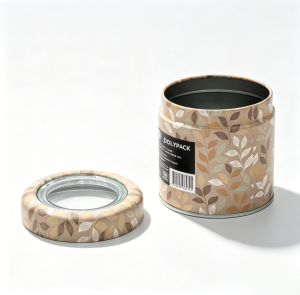
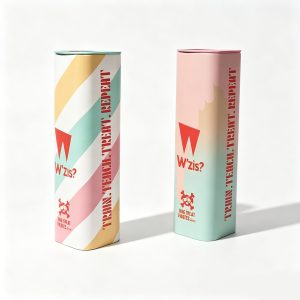
Once shape, material, and lid are settled, decoration is what makes a tin recognizably a brand's own. Options include CMYK and Pantone spot-color printing, UV printing, hot foil stamping, and custom stickers, with finishes spanning matte, glossy, frosted, metallic, lacquered, or anodized surfaces. Embossing, debossing, and laser marking add texture; cut-out and window die-cuts let the balm color show through the lid itself, available on Aluminum Window Tins.
For a small lip balm run, the practical split is between decoration that carries no minimum order and decoration that needs volume to justify tooling. A self-adhesive label can go on a run of any size and typically comes back within under a week, and a laser-marked logo turns around faster still — often just a couple of days — with no unit threshold either. Screen printing sits in the same no-minimum bracket, usually adding a little over a work week to the schedule. Embossing or debossing takes longer to set up (tooling for the pattern itself takes time) but still carries no MOQ. Where volume starts to matter is full-color process printing, cut-out or window die-cuts, and custom color matching — each of these calls for an order of roughly 5,000 units and a production window closer to three to four weeks once artwork is locked. Lead times above are indicative and move with artwork approval and order confirmation, so they're a planning reference rather than a quote.
DOLYPACK runs this as a factory-direct manufacturer producing aluminum and tinplate containers for over 10 years, with 441+ aluminum references and 195 tinplate references shipping to more than 80 countries. The OEM/ODM workflow moves through structure selection, size adaptation, printing, finishing, functional accessories, sampling, mass production, and export packing in that order, backed by a 6-step quality control process running from raw material through final inspection. The full range and process details are covered in the OEM/ODM manufacturing process.
Five checks before requesting samples:
Once the shortlist is narrowed, the Lip Balm Tins & Containers range lists the available sizes; contact DOLYPACK to confirm the specification and start the sampling process.
How do you fill lip balm tins?
Balm is poured hot into a leveled, uncapped tin filled just short of the rim, then left to cool undisturbed. Capping before the surface fully hardens traps moisture and leaves a cloudy or pitted top once set.
What is the best lip balm in a tin?
There's no universal answer — a balm formulated with enough wax to hold its shape at room temperature suits a tin better than a very soft, oil-heavy formula, which manages more easily in a jar with a spoon or applicator.
What is the best container for lip balm?
The best container matches formula consistency: tins for thicker, finger-applied balms; tubes for firm sticks meant for one-handed twist-up use; jars for soft butters needing a spoon. Branding comes second to how the formula behaves in the hand.
What is a lip balm container called?
Tin, pot, screw-top jar, and slide tin all describe the same category of small metal or glass lip balm packaging. The term usually reflects the lid mechanism — screw, slide, or hinge — rather than a fixed industry-standard name.
What are the best lip balm tins?
The right tin depends on three things: a lid mechanism matched to how leak-prone the formula is, a size matched to how much balm gets used per application, and a decoration method that fits the order volume, since full-color printing needs a larger run than a label or laser mark.
Can lip balm tins be recycled or reused?
Aluminum tins are recyclable and lightweight, and many customers wash and reuse them for storage once the balm is gone. Tinplate tins are durable enough for reuse too, though what actually gets recycled depends on local collection programs rather than the material alone.
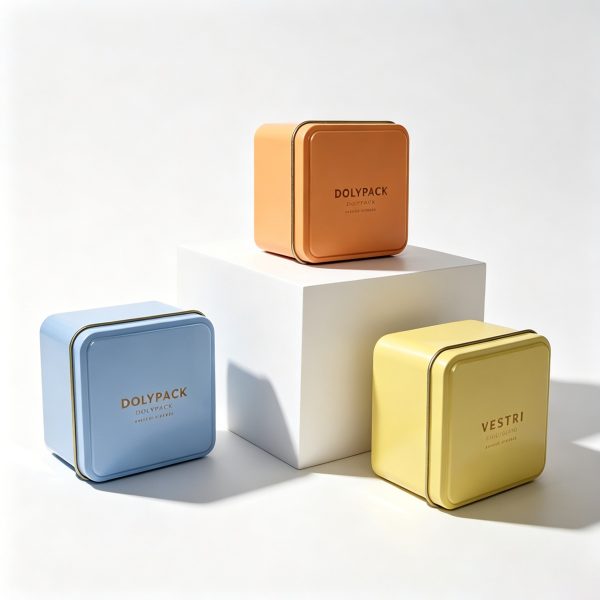
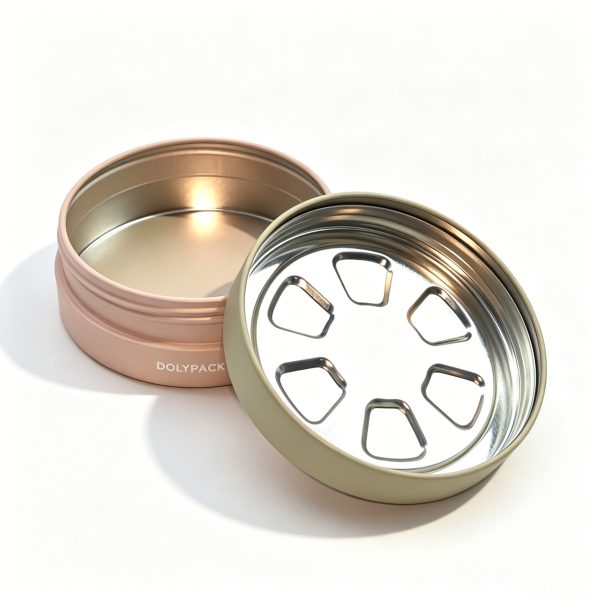
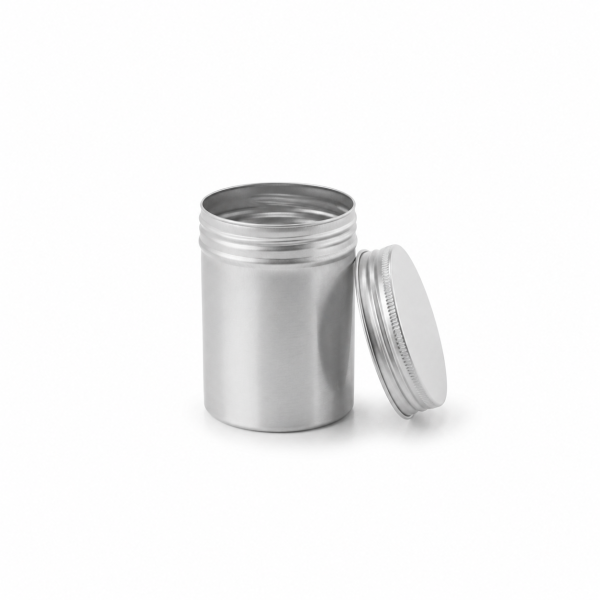
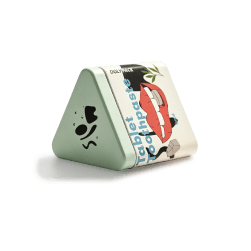
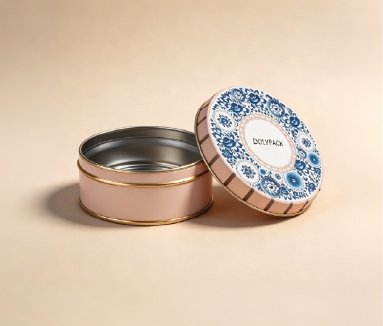
Send your target material — aluminum or tinplate — fill volume, quantity, and preferred decoration method. We typically respond within 12 business hours with pricing and lead time.
Request a free aluminum tin sample to check quality before ordering. Review aluminum tin cost factors to budget your first run, or explore customization options for printing, finishes, and accessories.