Get a Quote
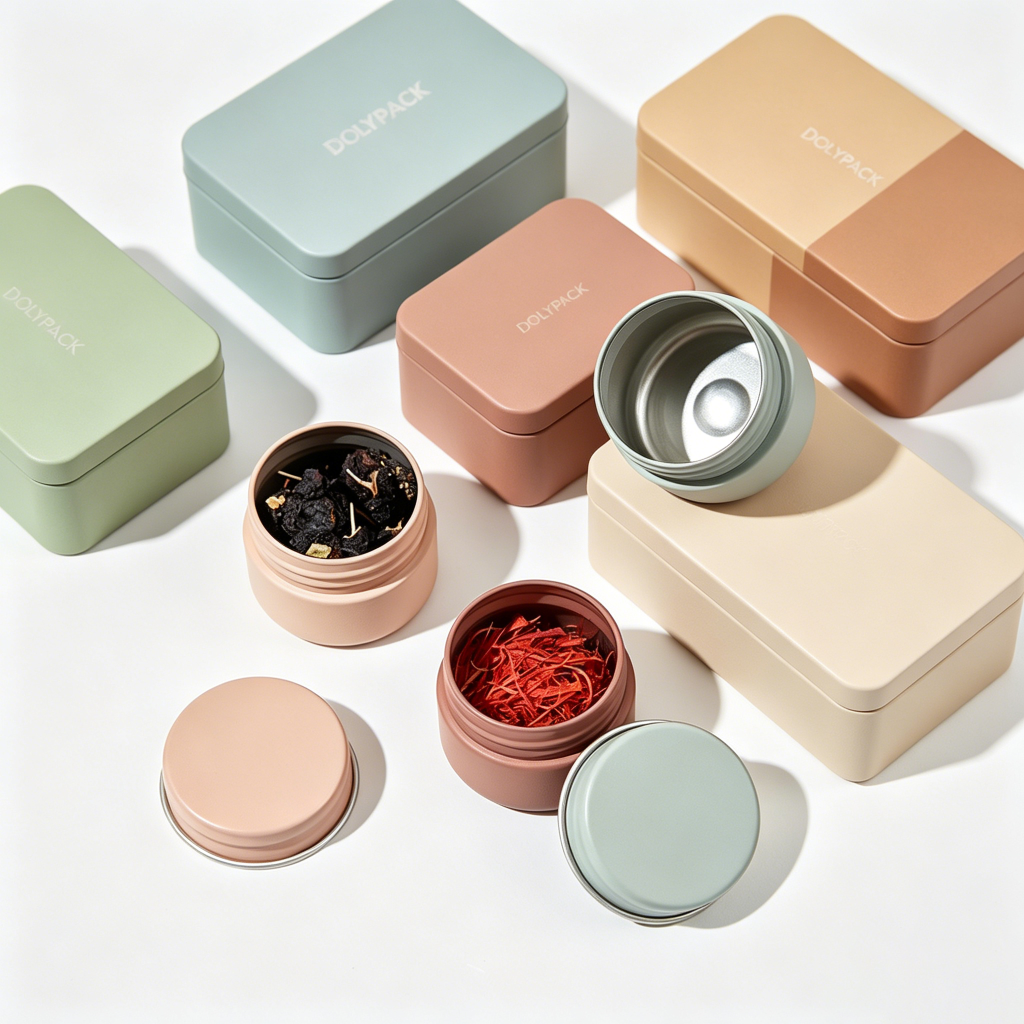
Tin containers with lids show up across candle, cosmetic, food, and gift packaging, but the term gets used loosely — sometimes for tinplate steel, sometimes for aluminum, sometimes for both. The question of what is tin containers with lids comes up often because the category spans two different metals and several lid mechanisms, and knowing the difference matters before ordering: metal, gauge, and lid style all affect cost, weight, and how a printed or embossed design turns out.
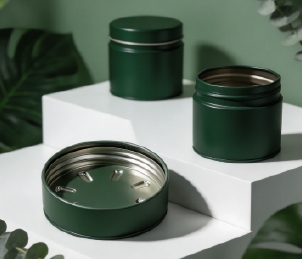
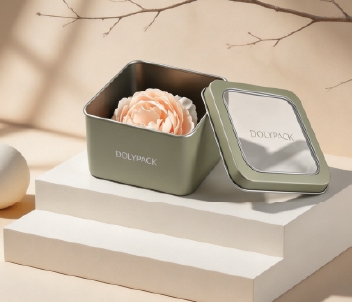
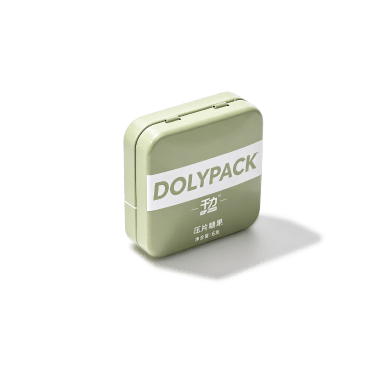
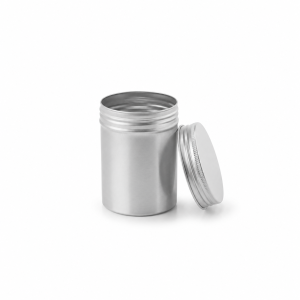
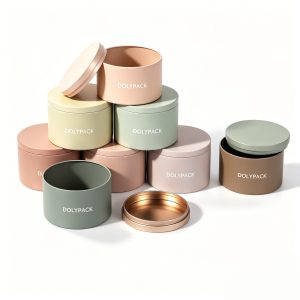
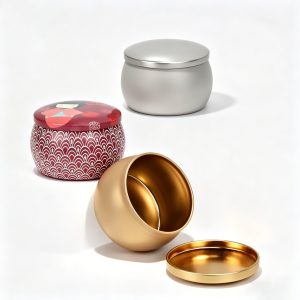
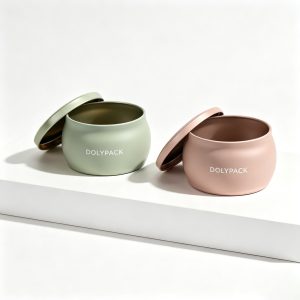
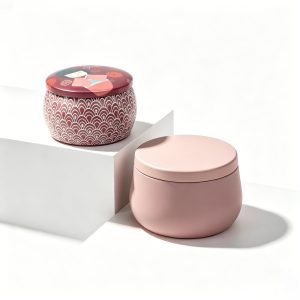
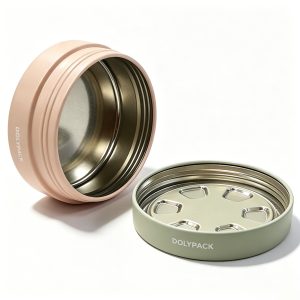
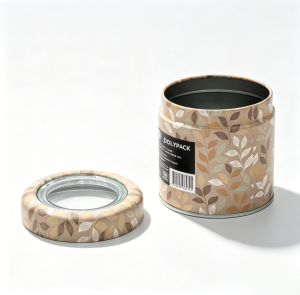
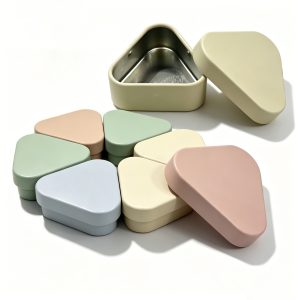
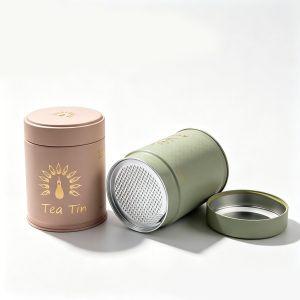
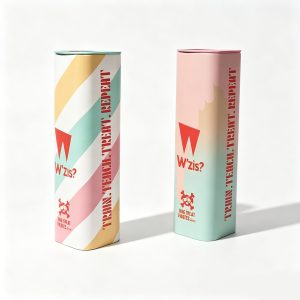
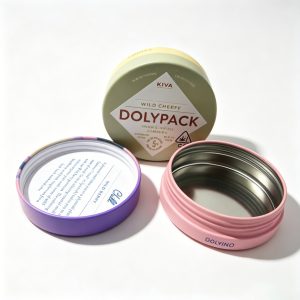
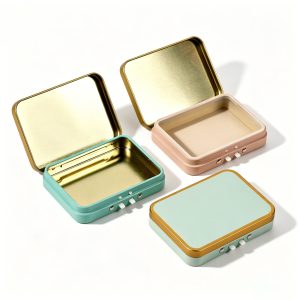
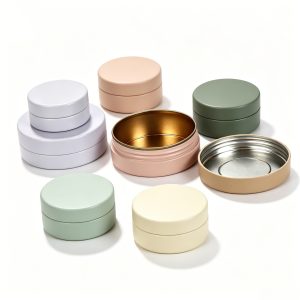
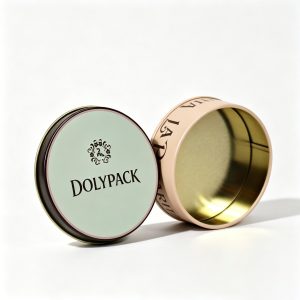
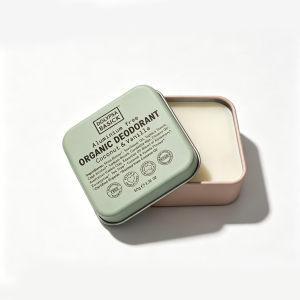
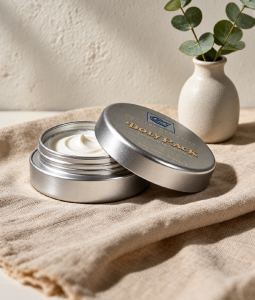
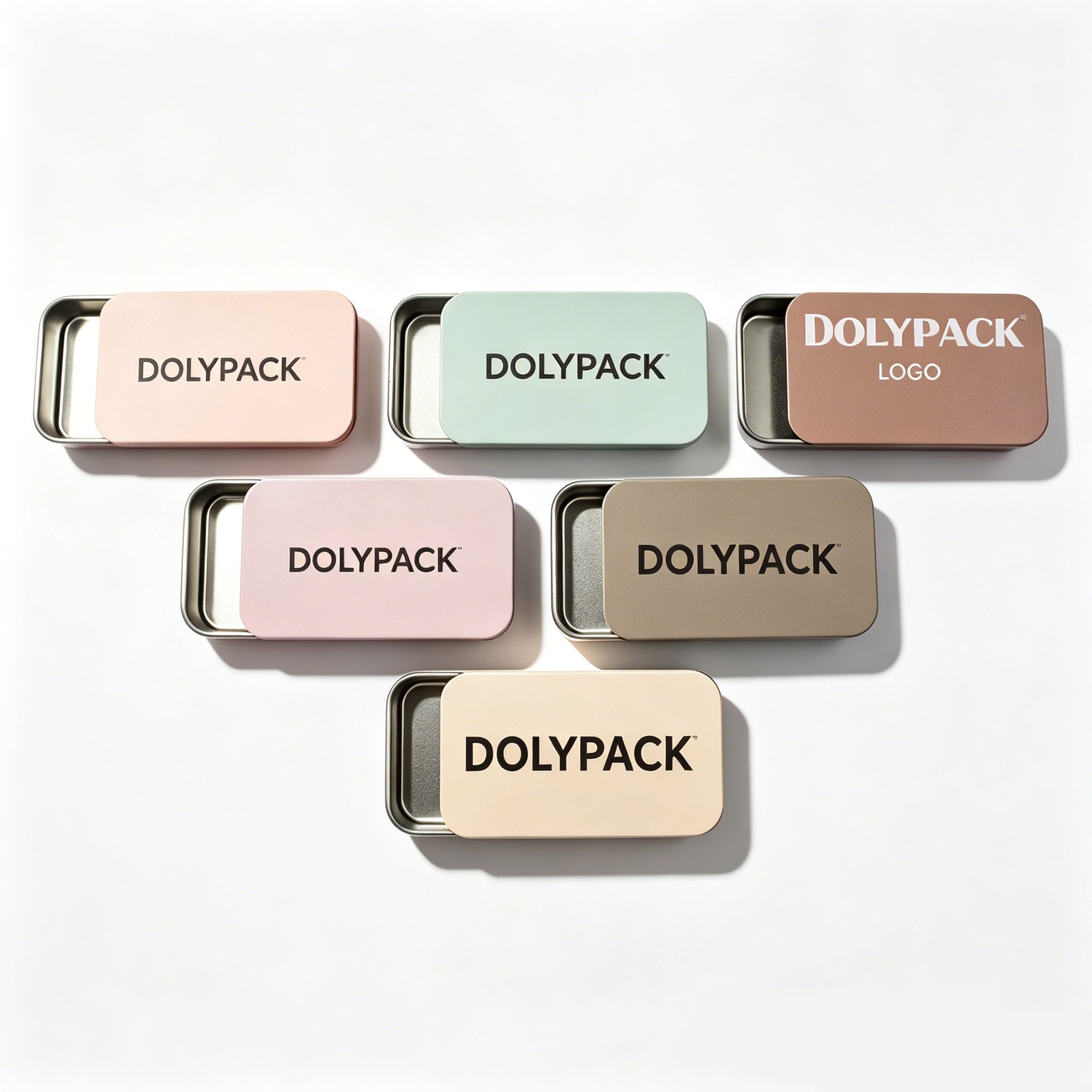
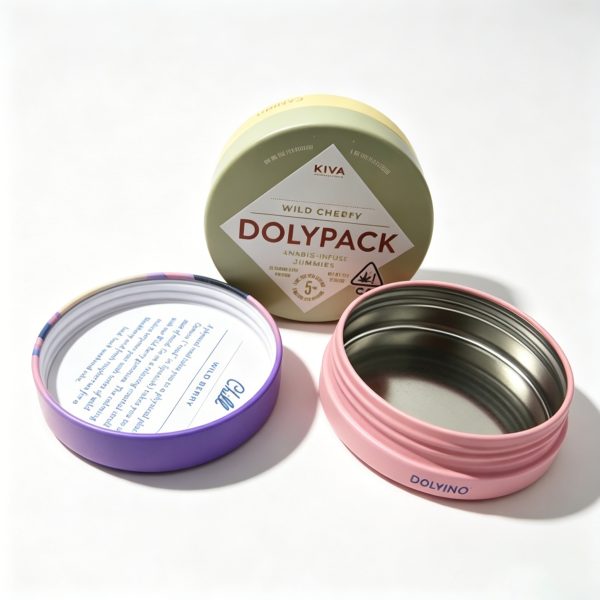
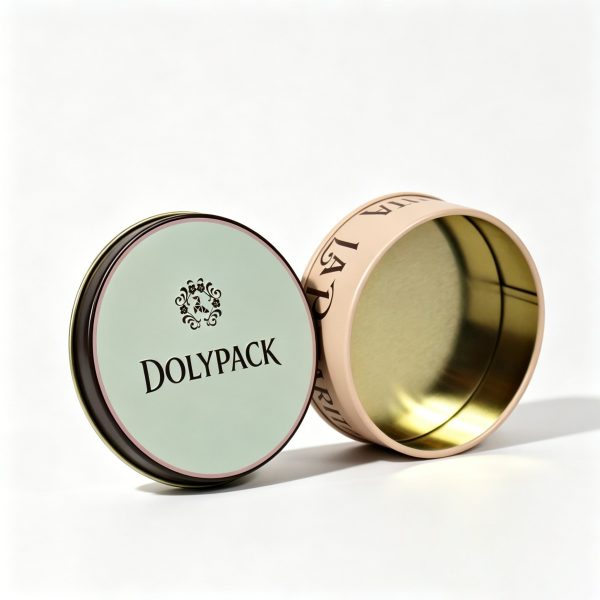
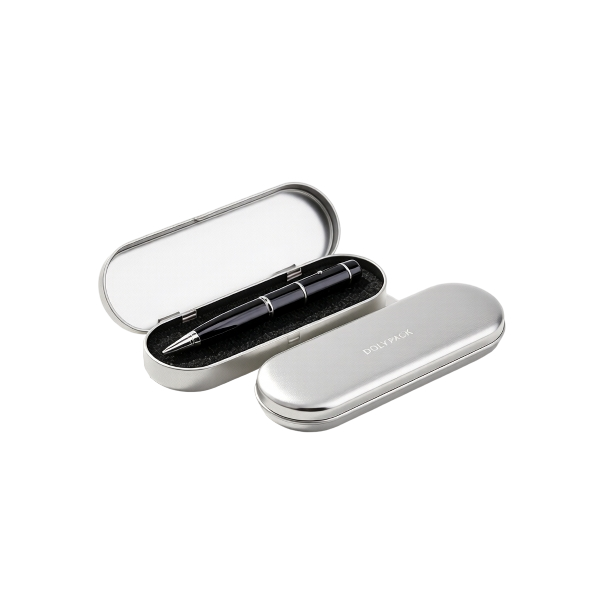
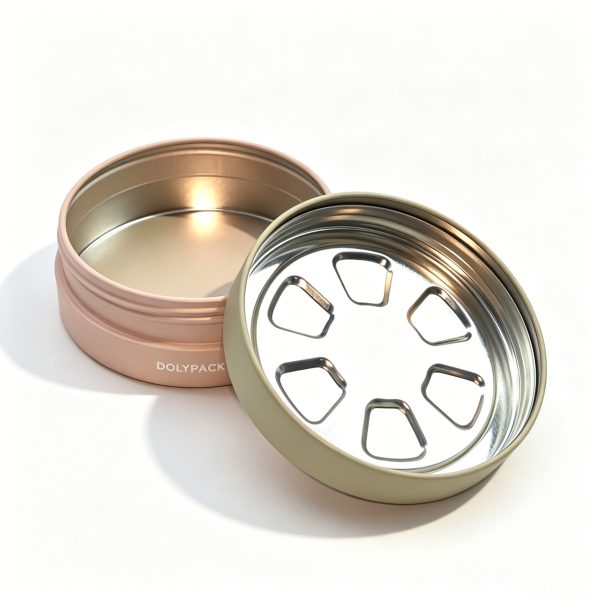
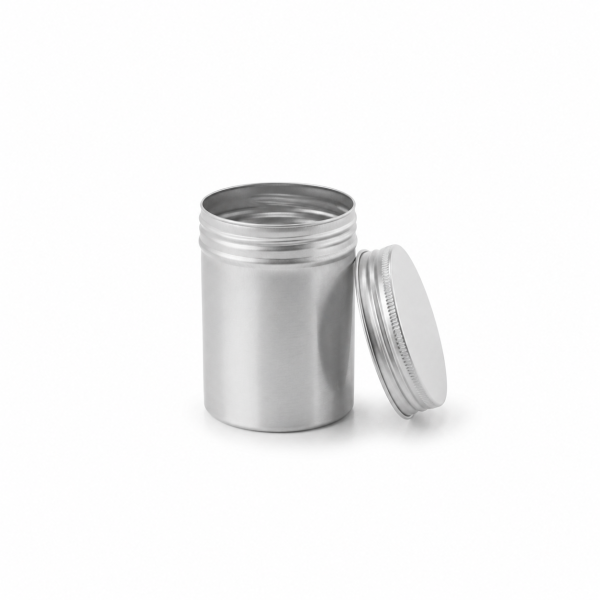
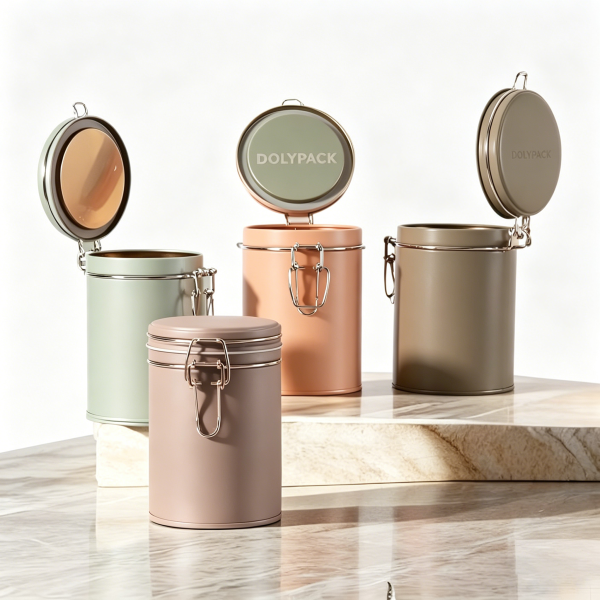
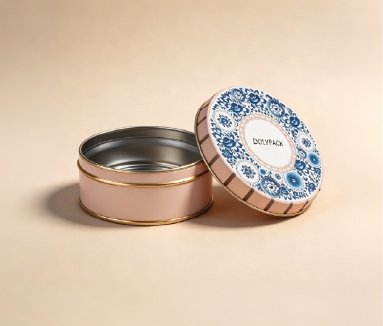
A tin container with a lid is a metal body — tinplate steel or aluminum — paired with a lid that either slips on by friction, hinges open along one edge, or threads on like a cap. Tinplate is steel with a thin tin coating; aluminum is a separate, lighter metal that resists corrosion without needing that coating. Both materials get built into containers with lids, and the choice between them changes weight, cost per unit, and how crisp a printed or embossed design turns out.
Tinplate used for containers typically runs 0.20–0.32 mm gauge — thin enough to draw and print cleanly, but thick enough to hold its shape under stacking pressure, which is why it dominates gift tins and retail display packaging. Capacity ranges give a sense of scale across the category: aluminum tins and jars span roughly 5 ml to 6,000 ml, screw caps commonly run Ø17.5 mm to 89 mm, and low-profile flat tins typically sit at 60 ml or 130 ml. Candle tins alone commonly appear in 4 oz, 8 oz, and 16 oz sizes.
Food safety comes down to the interior surface, not just the base metal. Tinplate holding acidic or moist fills — citrus-based balms, salted confections, sauces — usually needs an interior epoxy or acrylic lining so the product never touches bare metal. Food-contact metal packaging in the US and EU is generally evaluated under frameworks like FDA 21 CFR and EU Regulation 1935/2004; whether a specific tin, lining, and fill combination meets those requirements needs confirming with the supplier for that exact product, since coating type and fill acidity both affect the outcome.
Lid mechanism is the other variable worth knowing before ordering:
Lid fit is where quality problems actually surface in production. A slip lid needs enough clearance to come off by hand but tight enough that the tin doesn’t rattle open in transit — off by a fraction of a millimeter and a run either won’t close cleanly or won’t stay shut. Hinged lids depend on the pin and knuckle matching dies exactly, or the joint binds after repeated open-close cycles. Matching tooling to lid style before production starts is what keeps these problems from surfacing after the tins are already filled.
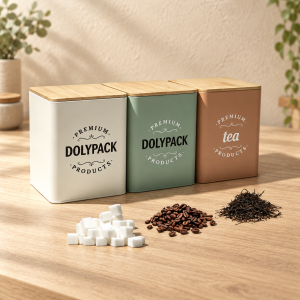
Bulk food packaging pushes tin capacity well past cosmetic-scale volumes. Aluminum tins and jars scale up to 6,000 ml (6 L), covering the range typically used for biscuit assortments, popcorn, and bulk confectionery — roughly 2 to 6 liters — where a single container holds a full retail quantity rather than a single serving. Lining matters more at this scale: a body holding loose popcorn or dry biscuits needs an interior finish that resists oil migration and moisture without transferring flavor, while a body holding wrapped candy or sealed bags has lighter lining requirements since the product itself acts as the moisture barrier. Extra Large Tin Containers and Cookie Tin Packaging cover the stock options at this scale; Tin Candy Box covers smaller bulk-candy formats.
Tinplate resists denting better than thin-wall plastic and holds embossed or printed detail with sharper edges, while plastic weighs less and typically costs less per unit to ship at volume. Aluminum runs lighter per unit than tinplate, though it marks more easily under rough handling and generally shows softer print definition — the full breakdown of weight, cost, and finish differences between the two metals is in Tin vs Aluminum: What’s the Difference?
Narrowing down an order comes down to a handful of decisions: capacity, lid style, whether the design needs embossing or printing, and which industry the tin is going into. A candle tin and a supplement tin can be the same size and still need different interior finishes.
Stock tins built from an existing mold typically start production faster and at a lower minimum than a fully custom shape, since there’s no tooling cost to amortize into the run. Across the tin industry, stock tins from an existing mold commonly carry MOQs in the low thousands per SKU, while a new custom mold or embossed die usually pushes minimums into five figures to offset tooling cost. Exact figures for a specific tin, decoration, and order quantity are confirmed after the container drawing and vector artwork are reviewed — no flat number applies across every catalog.
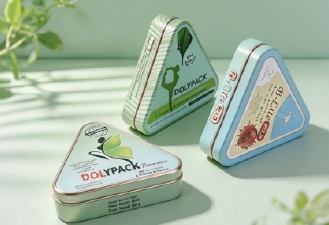
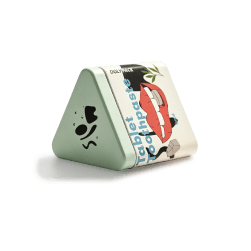
DolyPack’s in-house tooling team brings more than 10 years in metal packaging and has supplied 441+ tin and jar references to over 80 countries, working from both existing molds and custom dies. Current stock capacities, lid styles, and decoration options for wholesale tinplate tin containers are listed at Tin Containers with Lids, and sourcing steps — sample requests, artwork checks, tooling quotes — are walked through in the wholesale tin containers guide. For a quote on a specific tin, lid, and decoration combination, contact us with the drawing or artwork on hand.
Tin containers are heavier and typically pricier than plastic equivalents, which affects shipping cost at scale. The metal can dent if mishandled, and if the coating is scratched, the exposed steel can corrode. Custom decoration like embossing or full-color printing also costs more upfront than simply labeling a plastic container.
Tin generally reads as more premium, resists denting better, and takes embossed or printed branding with sharper edges. Plastic is lighter and usually cheaper to ship in bulk. Neither wins outright — the right choice depends on brand positioning, product fit, and shipping budget rather than a fixed rule.
Tinplate holds acidic or moist food safely when the interior carries an epoxy or acrylic lining that keeps the product from touching bare metal; without that lining, acidic fills can react with the tin over time. Food-contact metal packaging in the US and EU sits under frameworks like FDA 21 CFR and EU Regulation 1935/2004 — confirm the specific lining and compliance for your product with the supplier before production.
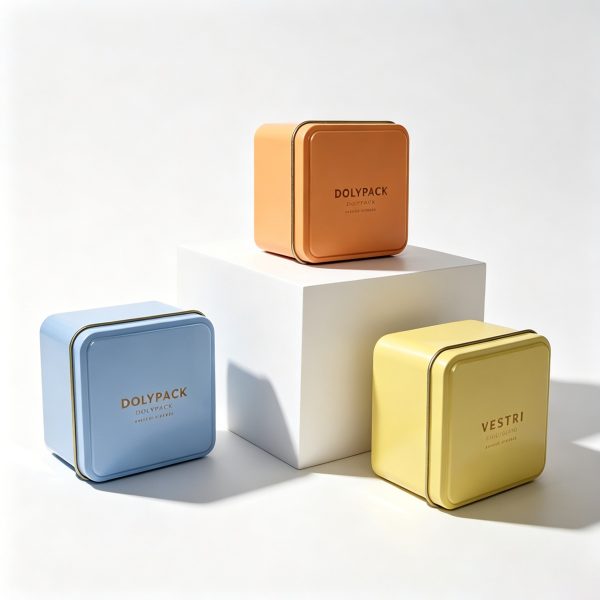
They’re commonly called tin cans, tin canisters, or metal tins with lids, depending on shape and closure. Terminology also shifts by form factor — round tins, square tins, rectangular boxes — and by lid type, such as screw-top, hinged, or slip-lid, so the exact name usually just depends on which one is in front of you.
Send your target material — aluminum or tinplate — fill volume, quantity, and preferred decoration method. We typically respond within 12 business hours with pricing and lead time.
Request a free aluminum tin sample to check quality before ordering. Review aluminum tin cost factors to budget your first run, or explore customization options for printing, finishes, and accessories.