Get a Quote
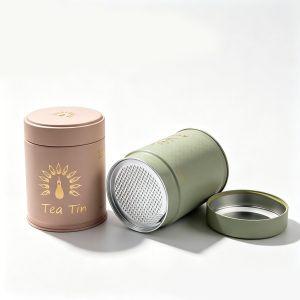
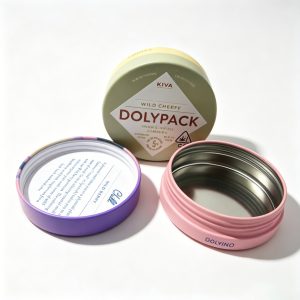
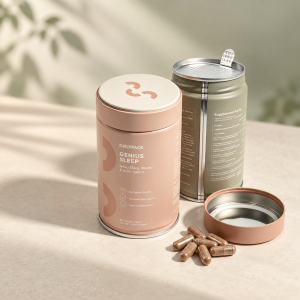
Aluminum Clay Mask Jars
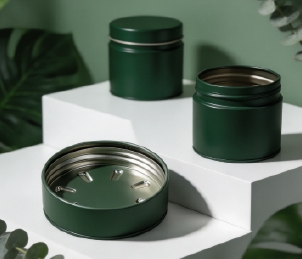
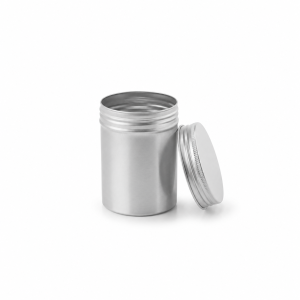
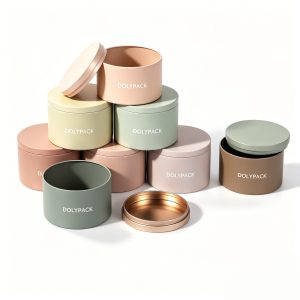
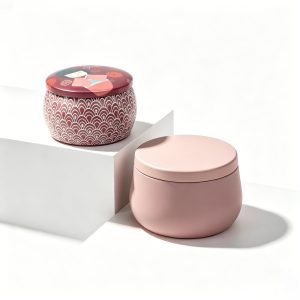
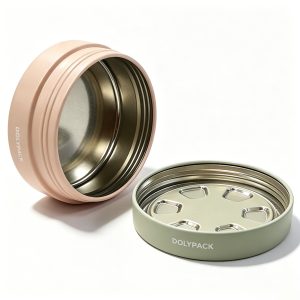
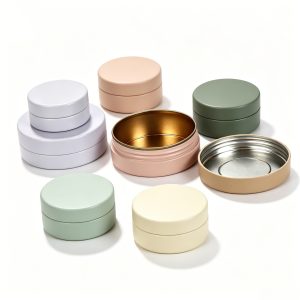
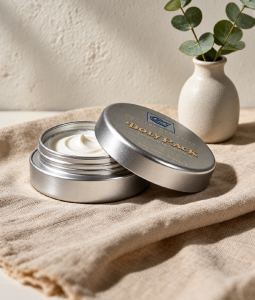
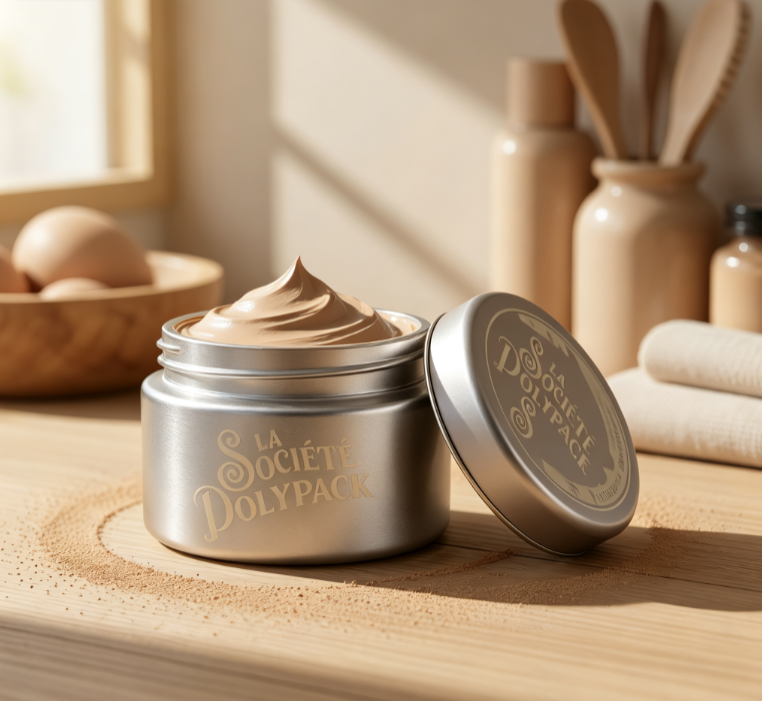
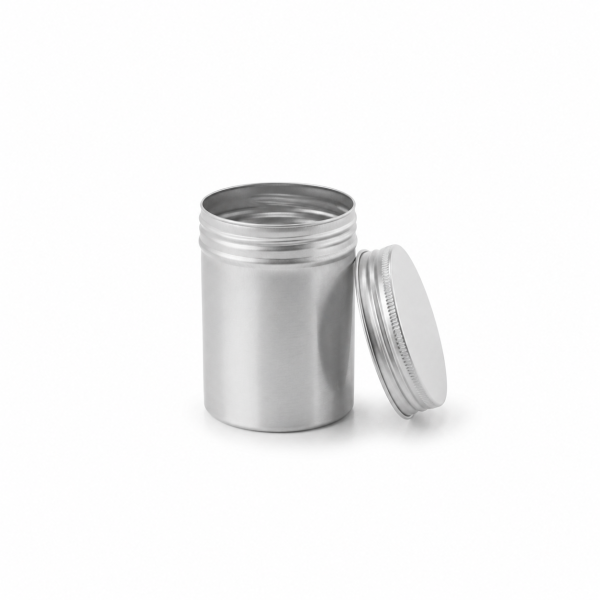
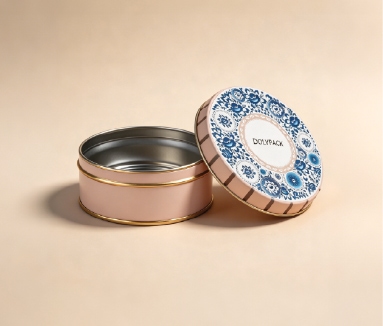
DOLYPACK builds aluminum clay mask jars for reactive clay and mineral pastes. Each aluminum clay mask jar uses a wide mouth, screw lid, and interior finish reviewed against the formula, from 50 g trial packs to spa-format bodies.
Built for Clay & Mineral Formulas
Bentonite and kaolin clays are known to react with bare metal. The same warning found in DIY mask recipes about not mixing clay in a metal bowl applies over a shelf life measured in months, not minutes.
DOLYPACK reviews interior options — an interior lacquer, an anodized surface, or a separate liner — against the submitted formula before confirming bare aluminum versus a coated build.
A filled sample using the real paste is checked for color and odor change, staining, corrosion, coating condition, and lid performance after repeated opening. The storage duration, temperature, and pass/fail criteria are set jointly with your formulation team because they depend on the formula itself.
Destination-market documentation can be requested separately if your compliance team needs it.
Sizes for Trial, Retail & Spa Use
The same jar family scales from a compact trial run to spa bulk without switching suppliers:
| Fill Weight (g) | Nominal Capacity (ml) | Neck Diameter (mm) | Coating Options |
|---|---|---|---|
| 30–50 | 30–50 | 27–57 | Bare aluminum, interior lacquer, anodized, liner |
| 100 | 100 | 45–102 | Interior lacquer, anodized, liner |
| 250 | 250 | 45–102 | Interior lacquer, liner, insert |
| Spa / bulk | up to 6,000 | Confirmed per format selected | Lacquer, liner, insert |
Exact body height is set once a fill weight and neck diameter are chosen. Smaller necks pair with taller, narrower bodies; wider necks pair with shorter, squatter ones for easier scooping.
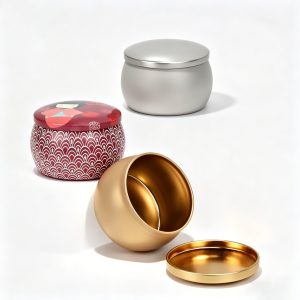
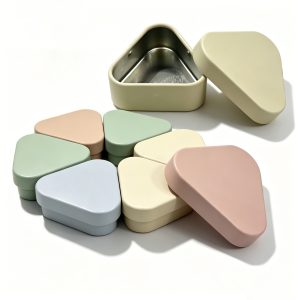
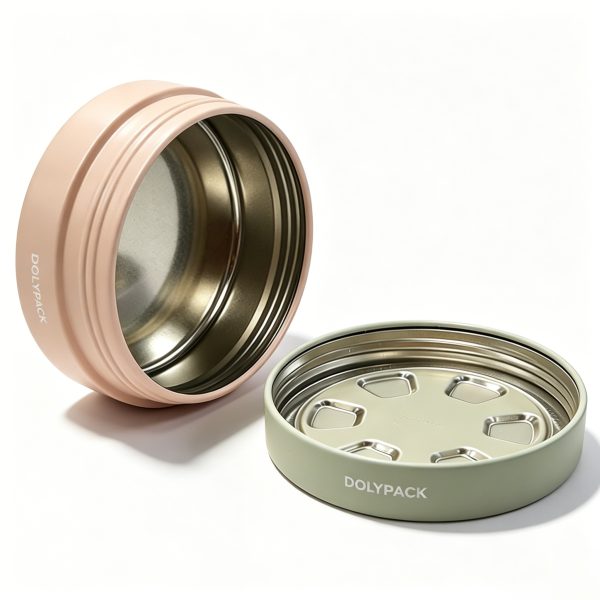
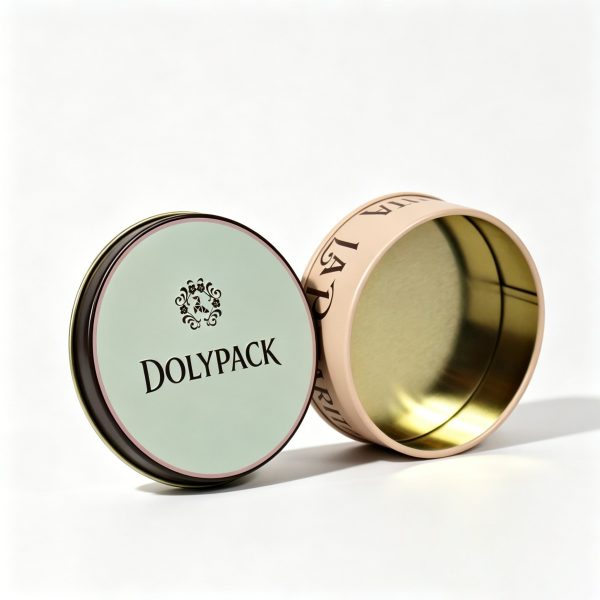
Brands testing a smaller format outside this jar line can compare 1 oz metal tins. Multi-product catalogs often pair this jar with metal cosmetic jars for cream lines or 16 oz candle jars for wax lines.

Options
Wide-Mouth Design & Lid Options
Key design features include:
-

Screw lid
The standard closure for a mask reopened repeatedly over weeks of use.
-
Wide mouth
Gives a finger, brush, or spatula direct access to the bottom of the fill, which matters once a paste formula thickens near the base.
-
Liner or seal pad
Improves rim contact under the lid. An inner disc or insert can separate an applicator from the mask surface when the pack includes one.


Aluminum vs. Plastic: The Trade-off
Aluminum and plastic suit different priorities:

Aluminum
Resists the swelling and staining some bentonite or mineral pastes cause in plastic, and holds a sharper embossed or metallic finish. It can dent on impact.
VS
Plastic
A molded PET or PP jar resists the same drop without denting and tends to win on unit cost at very high volumes.
A coated interior’s service life is tied to the coating itself, not the metal underneath. Lacquer or a liner can wear faster than the jar body under high-acid or high-salt formulas, while aluminum’s premium is usually justified by shelf appearance and recyclability rather than piece price.
Custom Branding & Finish
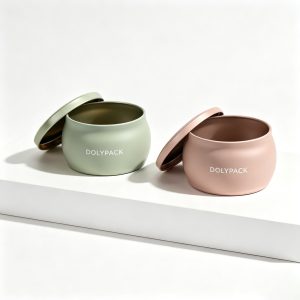
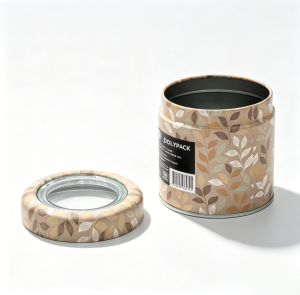
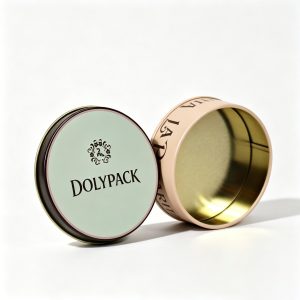
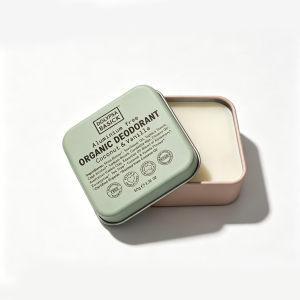
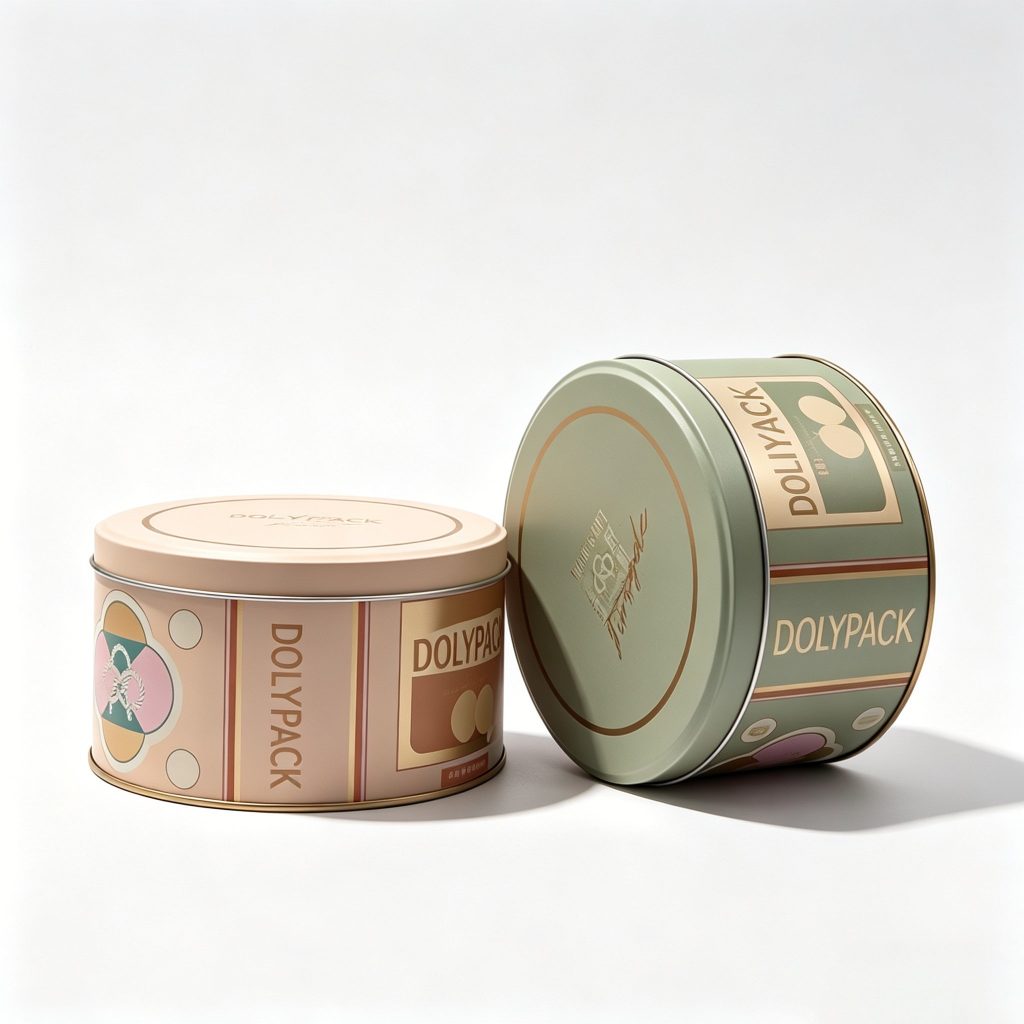
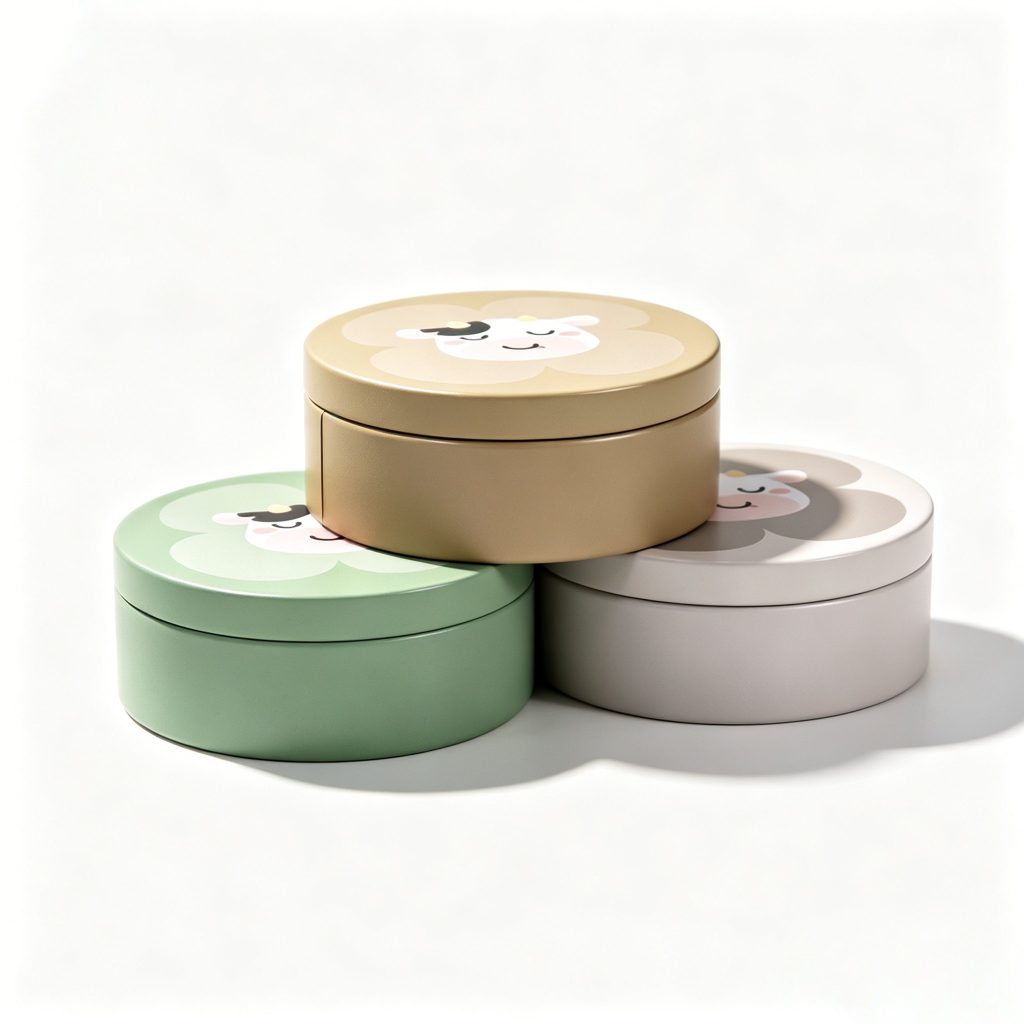
The body and lid take labels, laser marking, screen printing, or embossing/debossing, in matte, glossy, frosted, metallic, or anodized finishes. Depth, tooling, and artwork requirements for raised or recessed designs are covered under custom embossing and finishes.
Related Products
Related Packaging Formats
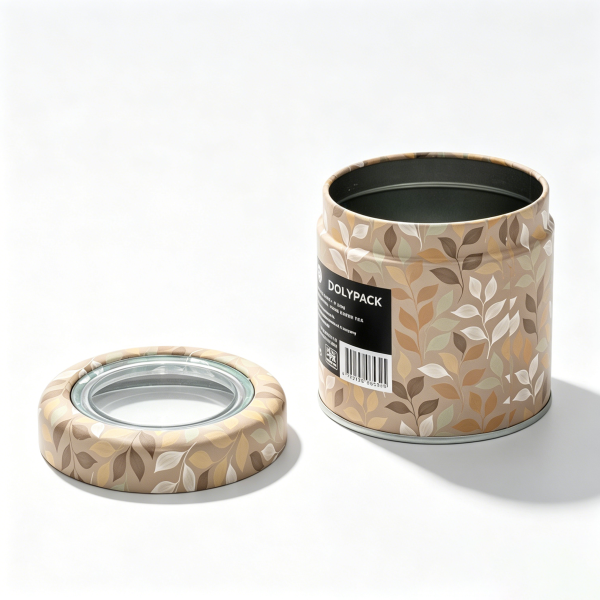
Other popular tin and metal packaging from our in-house catalog.
Ordering — Samples, Tooling & Quoting
MOQ, sample lead time, tooling cost, and the production window depend on the route. A common jar built from an existing mold carries a lower minimum and a shorter turnaround than a new custom shape, which needs tooling quoted against your drawing before a production quantity is confirmed.
A filled sample using your actual clay formula is the recommended step before committing to a run. Its cost and turnaround are confirmed alongside the quote once the jar, coating, and decoration are selected.