Get a Quote
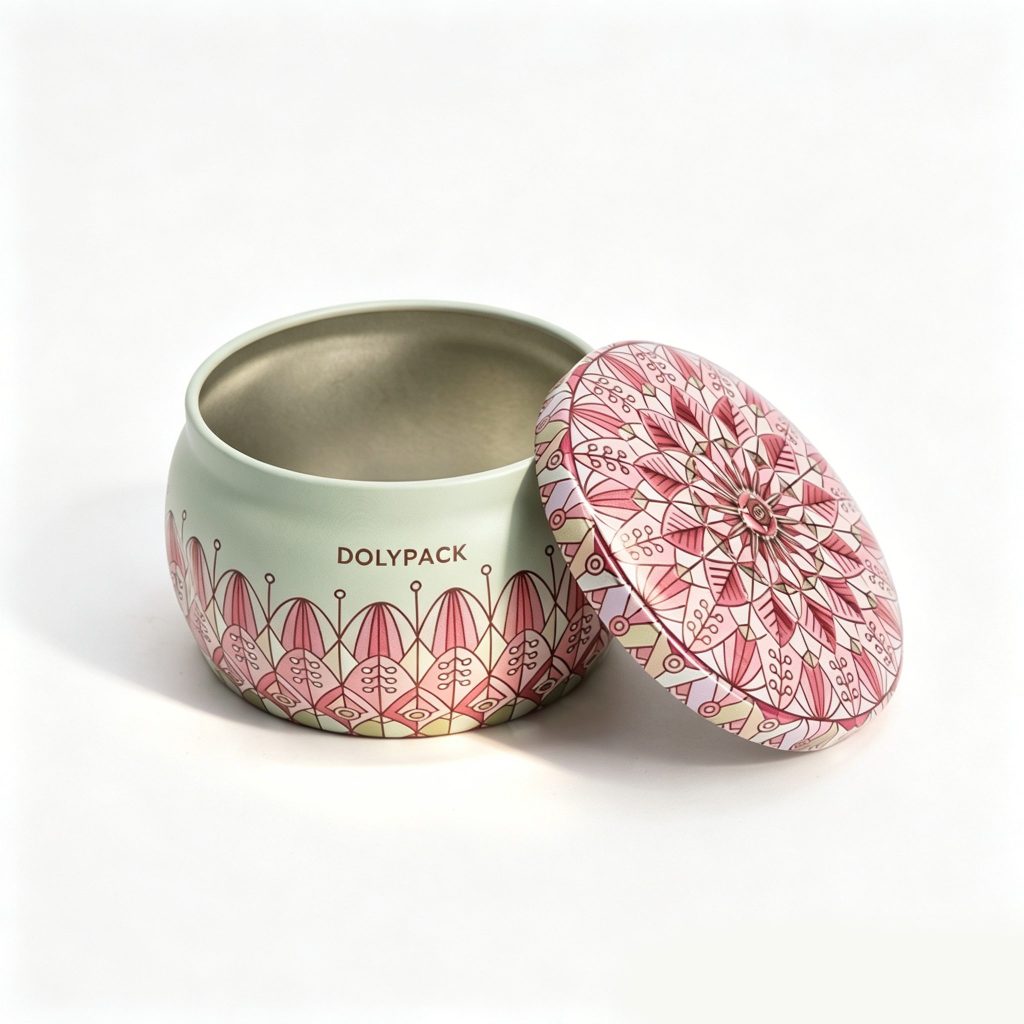
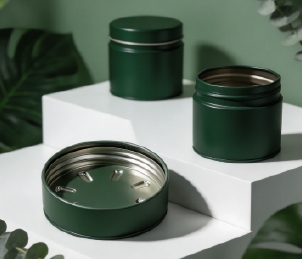
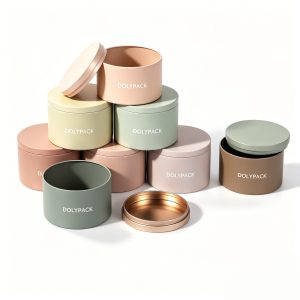
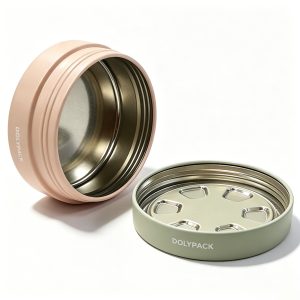
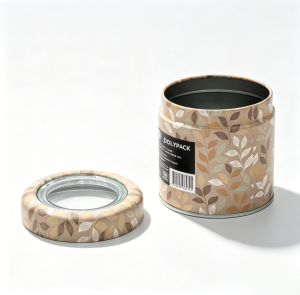
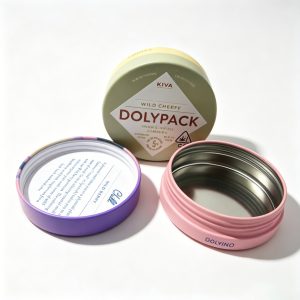
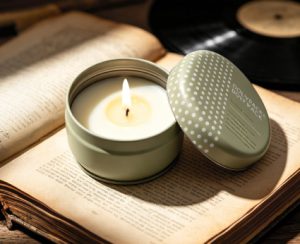
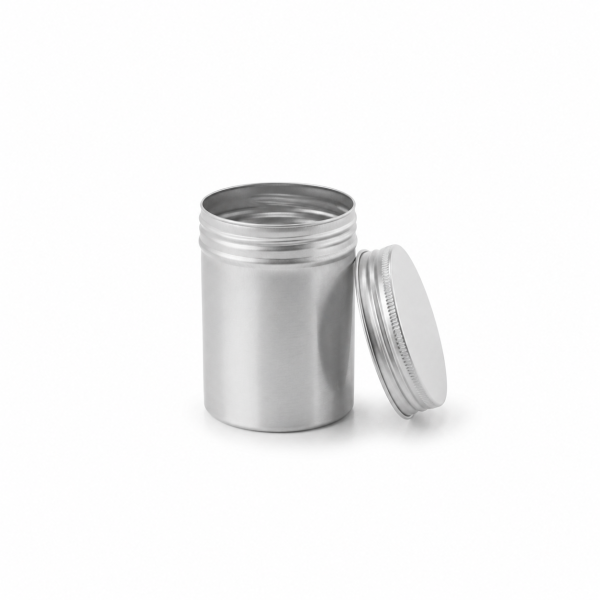
A candle tin jar is a lidded metal container — usually tinplate or aluminum — made to hold poured candle wax and burn safely once the wick is lit. It is a metal alternative to a glass candle jar, with formats for travel, gift, and retail products.
A candle tin jar has two main parts:
Unlike a decorative tin bought empty for storage, a candle tin is engineered specifically for hot-pour wax. It can take direct heat from a burning flame without warping.
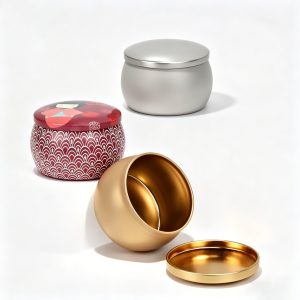
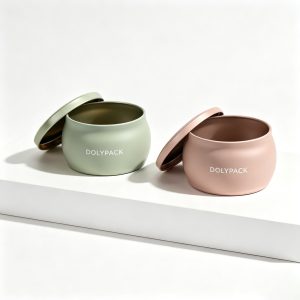
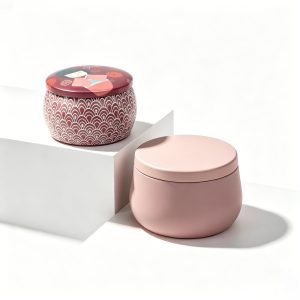
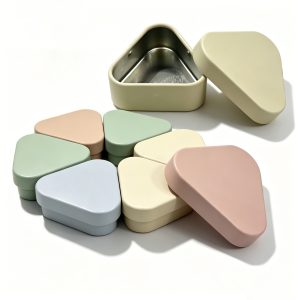
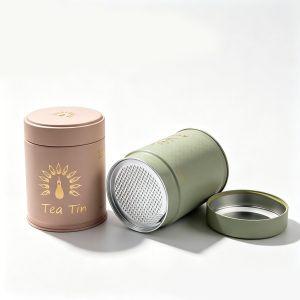
The name covers a range of finishes and shapes, from a plain travel-size tin to a printed, embossed version meant for retail shelves. What they share is the core format: metal body, matching lid, open top for pouring.
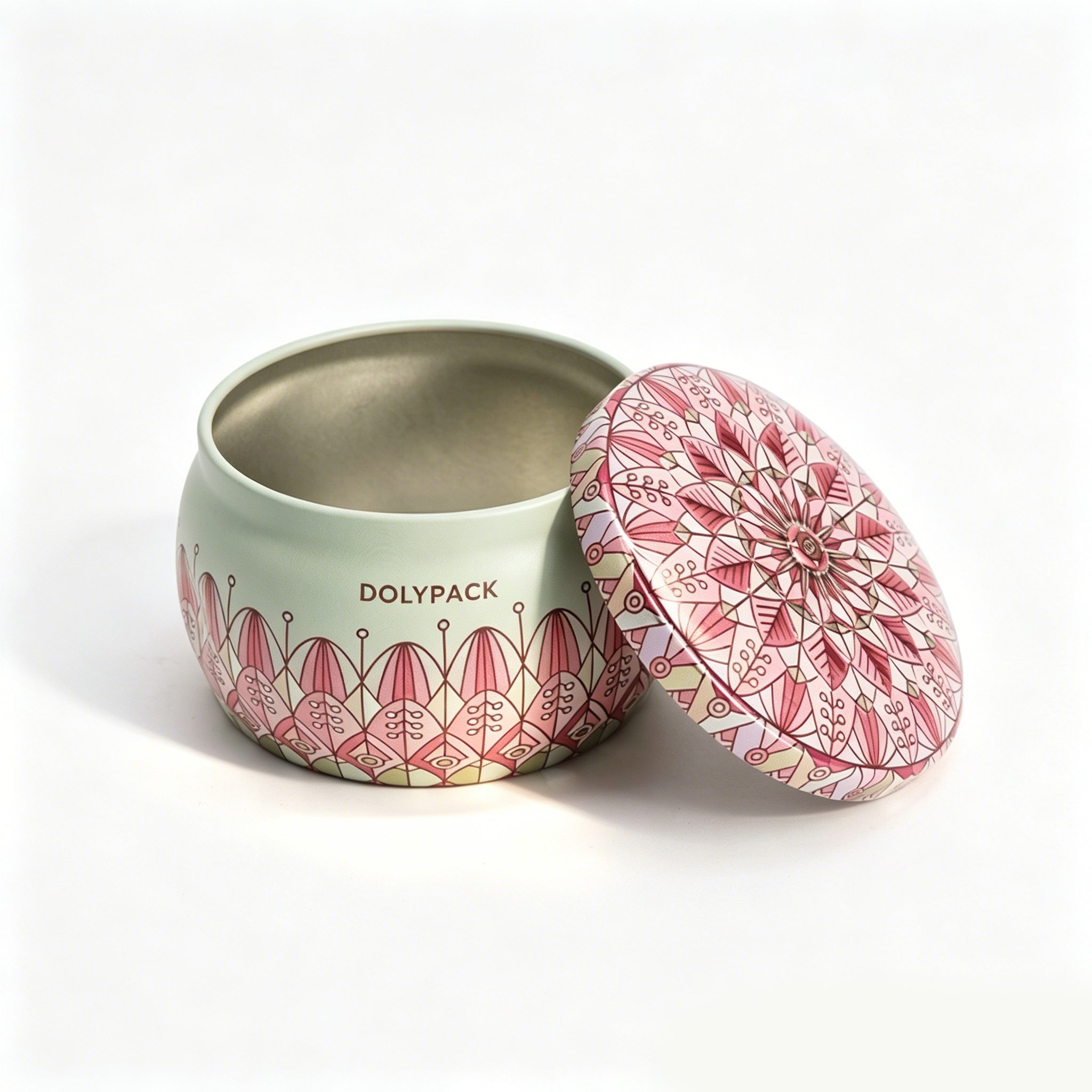
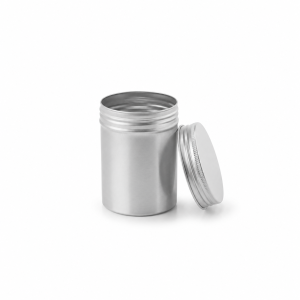
Most candle tins are made from either tinplate or aluminum:
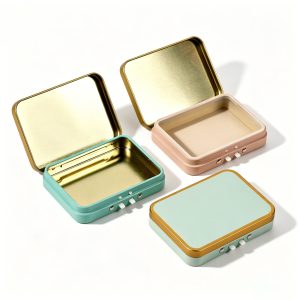
Lid styles include:
Both metals conduct heat rather than insulate it, which is part of why candle tins behave differently from glass jars once a wick is lit.
The reasons tins show up in nearly every candle line come down to how the material behaves, not just how it looks:
Tin has some trade-offs:
Buyer needs also differ:
Closure style matters here too: slip-lids, screw lids, and vented options each suit a different burn profile, covered in more detail in a candle jar with a lid breakdown.
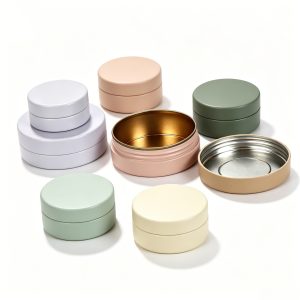
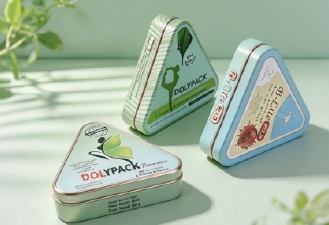
Tins run from small travel and sample sizes up to large statement candles meant to anchor a gift set, with finishes ranging from plain unprinted metal to gold, matte, or fully embossed designs. The table below shows typical dimensions and burn expectations for the four sizes most candle lines start with — exact figures vary by manufacturer, wall thickness, and wax type.
| Size | Typical Diameter | Approx. Wax Fill | Approx. Burn Time |
|---|---|---|---|
| 2 oz | ~2 in (5 cm) | ~1.5 oz | 10–15 hours |
| 4 oz | ~2.5 in (6.4 cm) | ~3 oz | 20–25 hours |
| 8 oz | ~3.25 in (8.3 cm) | ~6–7 oz | 35–40 hours |
| 16 oz | ~3.75 in (9.5 cm) | ~13–14 oz | 60–70 hours |
DOLYPACK stocks 4 oz, 8 oz, and 16 oz candle jars, alongside the broader tin jars range for custom sizes and finishes. For a quote on a specific size or finish, contact us with your target volume.
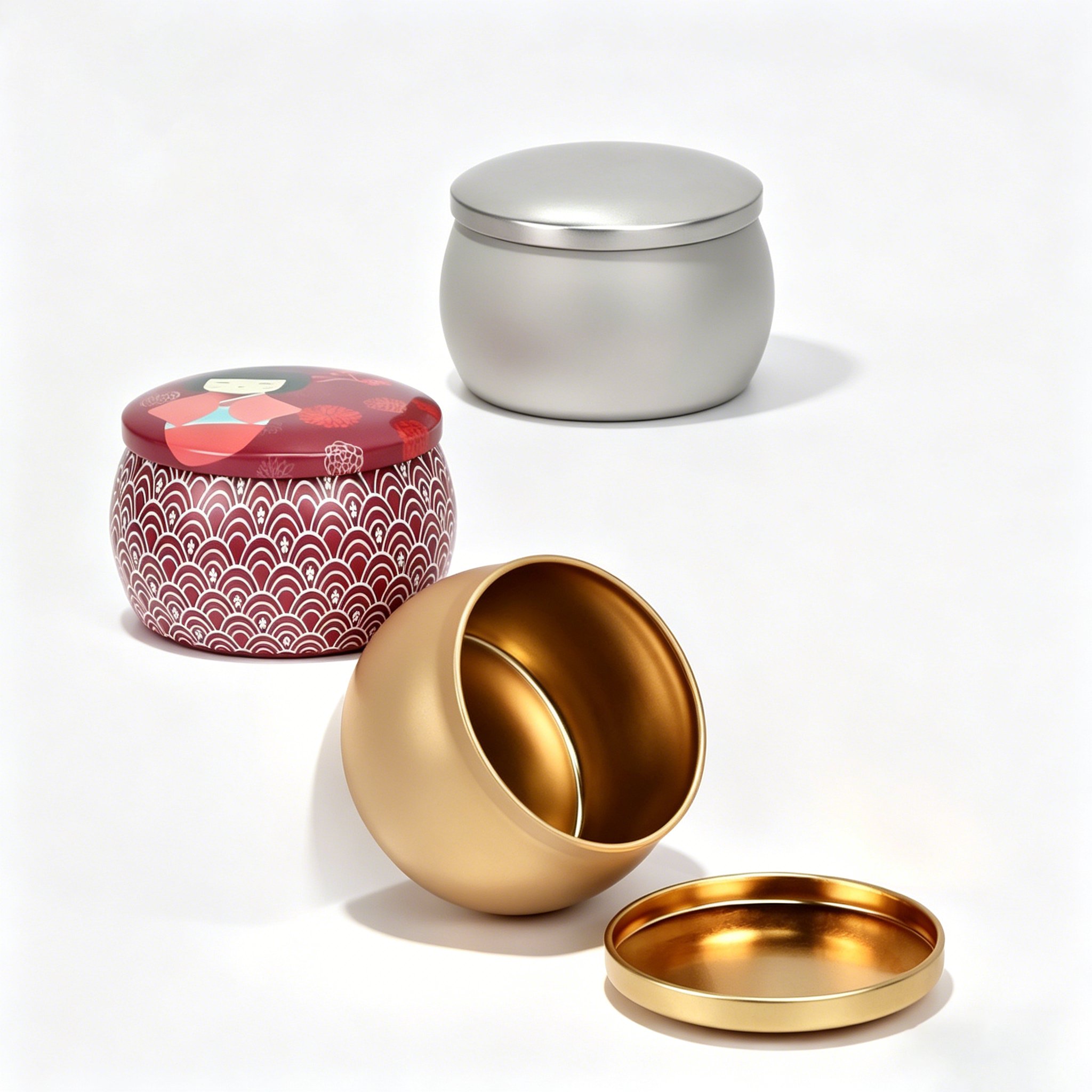
Yes, when the tin is built for candle use rather than repurposed from another product. Candle-specific tins are typically designed with a raised or footed base that lifts the hot bottom off tabletops and counters, and some lid styles include venting so heat and vapor don’t build up under a sealed cover while the wick is lit.
Beyond the container design, safety comes down to the same practices that apply to any candle: keep the wick trimmed to roughly a quarter inch, never leave a burning candle unattended, and stop burning once about half an inch of wax remains at the base to avoid overheating the metal. No packaging supplier can substitute for these basic burning habits — the tin’s job is to contain the wax safely, not to make careless burning risk-free.
There’s no single “best” jar — it depends on what the candle needs to do. Glass wins on retail shelf appeal: it shows off wax color, layered designs, and embeds directly through the container without a label. Tin wins on cost-efficiency, shipping durability, and gifting formats like travel tins or wedding favors where breakage risk and weight matter more than see-through branding.
Many brands run both: glass for a flagship retail line, tin for travel-size or limited-run products where the container itself needs to survive shipping without bubble wrap. Not sure which fits your product line? Contact us to talk through the format before committing to tooling or artwork.
Once you know whether you want stock sizes, a custom finish, or a bulk production run, sourcing comes down to matching the tin, lid style, and decoration method to your order volume. Order sizes typically scale in tiers:
DOLYPACK has spent 10+ years manufacturing metal packaging across categories from cosmetics to food tins, supplying 441+ references to buyers in more than 80 countries. An in-house tooling team builds dies for both stock containers and custom lid fits.
Whether you need stock sizes or fully custom candle tins, DOLYPACK’s tin candle containers are quoted after reviewing your artwork and order volume. There is no fixed catalog price because tooling, print method, and finish all shift the quote.
If you’re comparing metal formats for a broader product line, candle tin options beyond the standard tin — including aluminum jars and massage candle tins — are worth reviewing before you commit to a single format.
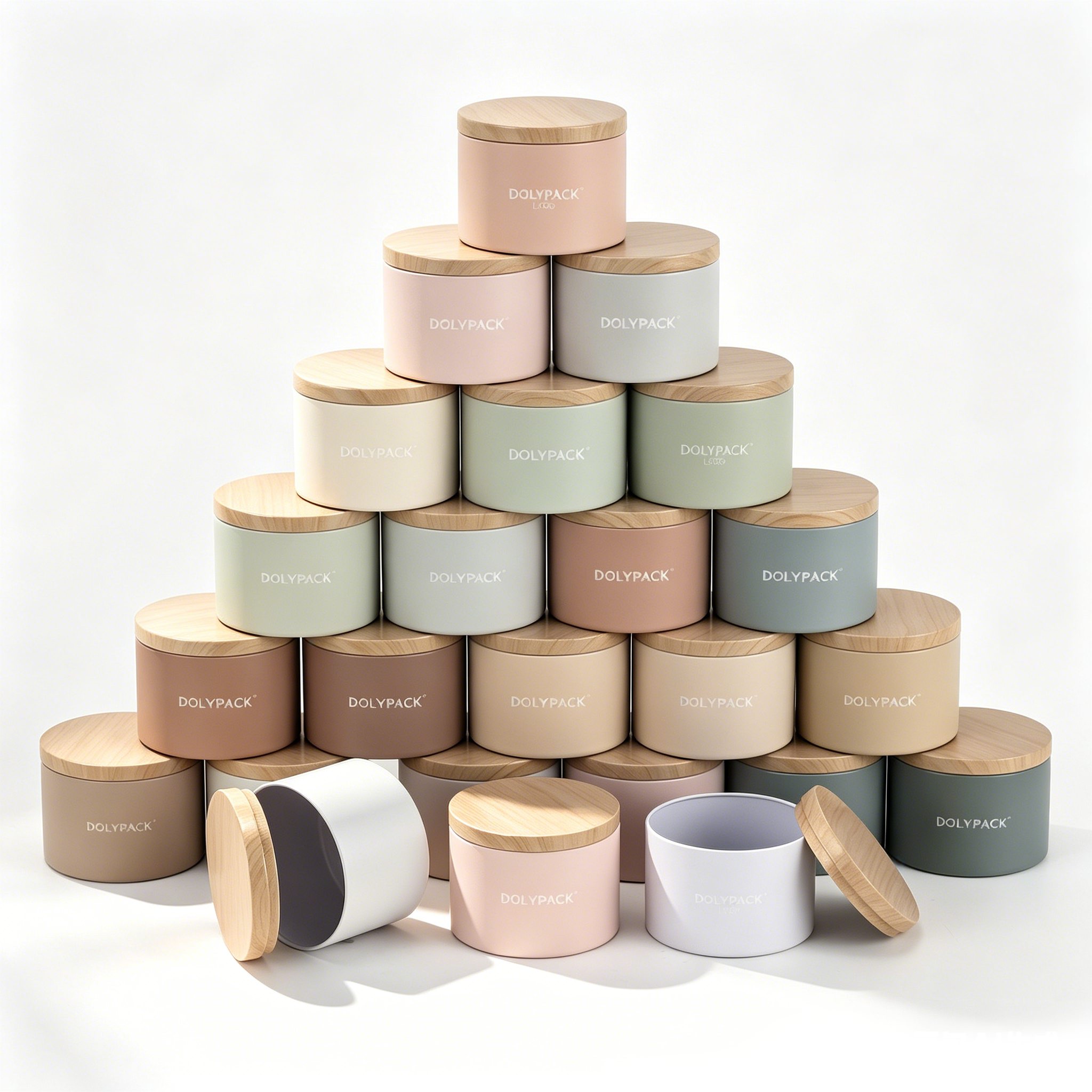
Yes, tins made for candle use are designed with the flame in mind — often with a raised or footed base to keep heat off tabletops and, on some lids, venting to release built-up heat. Standard candle-safety habits still apply: trim the wick, never leave it burning unattended, and stop before the wax runs too low.
It depends on the goal. Glass shows off the wax and suits retail shelf display; tin is lighter, shatterproof, and cheaper to ship, which suits travel candles, gift sets, and bulk production. Neither is universally “better” — match the jar to how the candle will be sold and used.
Wick size depends on the tin’s diameter and depth, not just its ounce label. Wider tins generally need a slightly larger wick to reach the edges evenly, and a single test burn is the most reliable way to confirm there’s no tunneling before running a full batch.
A dropped or tightly packed tin can dent, since the thin metal body has less structural buffer than glass — but it won’t shatter the way glass does. Minor dents are usually cosmetic and don’t affect burning safety, though a heavily dented lid may stop seating properly.
Yes. Melting out the last of the wax with hot water, wiping the interior clean, and removing the wick tab leaves a plain metal container that can be repoured with fresh wax, used for small storage, or repurposed for another craft project.
Yes — candle tins are sold as a complete container-and-lid unit, not as separate pieces. Lid styles vary between slip-on, screw, and hinged designs, but the lid is always included with the body it’s matched to.
Yes, bulk ordering is standard once a small brand has settled on a size and finish. There’s no fixed minimum order quantity across the category — order volume, decoration method, and tooling needs are reviewed together before a final quantity and quote are confirmed.
Yes — tins are commonly sold empty for hobbyists and small-batch makers who pour their own wax and fragrance blends. This is the same container used for commercial production, just ordered in smaller counts for testing.
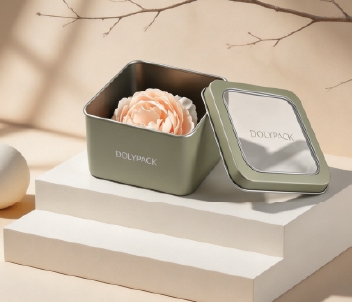
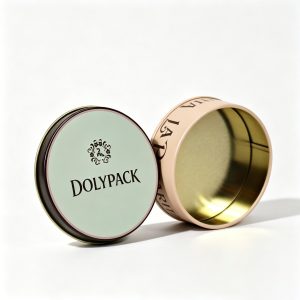
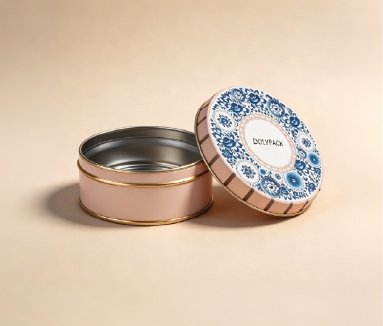
Yes, finishes like matte, glossy, metallic, and printed or embossed designs turn a basic tin into a premium-looking package. These finishes sit on top of the same core body-and-lid format described above, not a different container type.
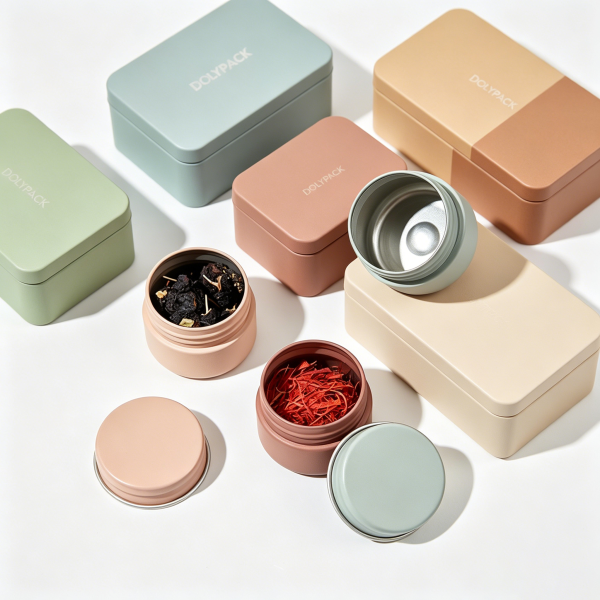
Send your target material — aluminum or tinplate — fill volume, quantity, and preferred decoration method. We typically respond within 12 business hours with pricing and lead time.
Request a free aluminum tin sample to check quality before ordering. Review aluminum tin cost factors to budget your first run, or explore customization options for printing, finishes, and accessories.