
Laser marking — direct marking for variable information such as lot codes or expiry dates
Get a Quote
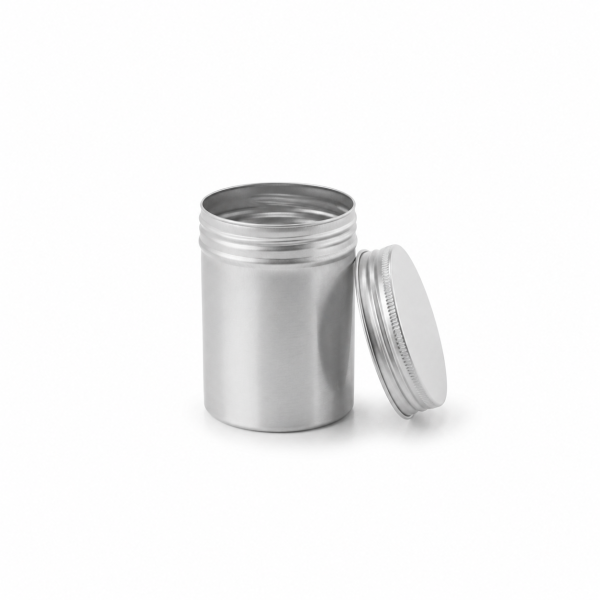
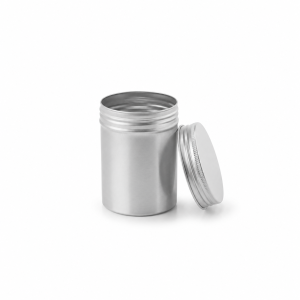
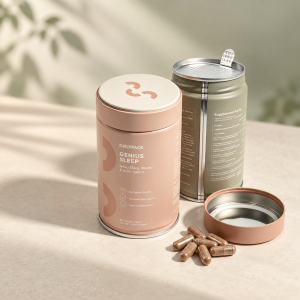
DOLYPACK builds aluminum pill jars for tablets, capsules, softgels, and powder-fill supplement doses. Each aluminum pill jar is specified by dose count, fill dimensions, closure, and liner or insert compatibility before tooling starts.
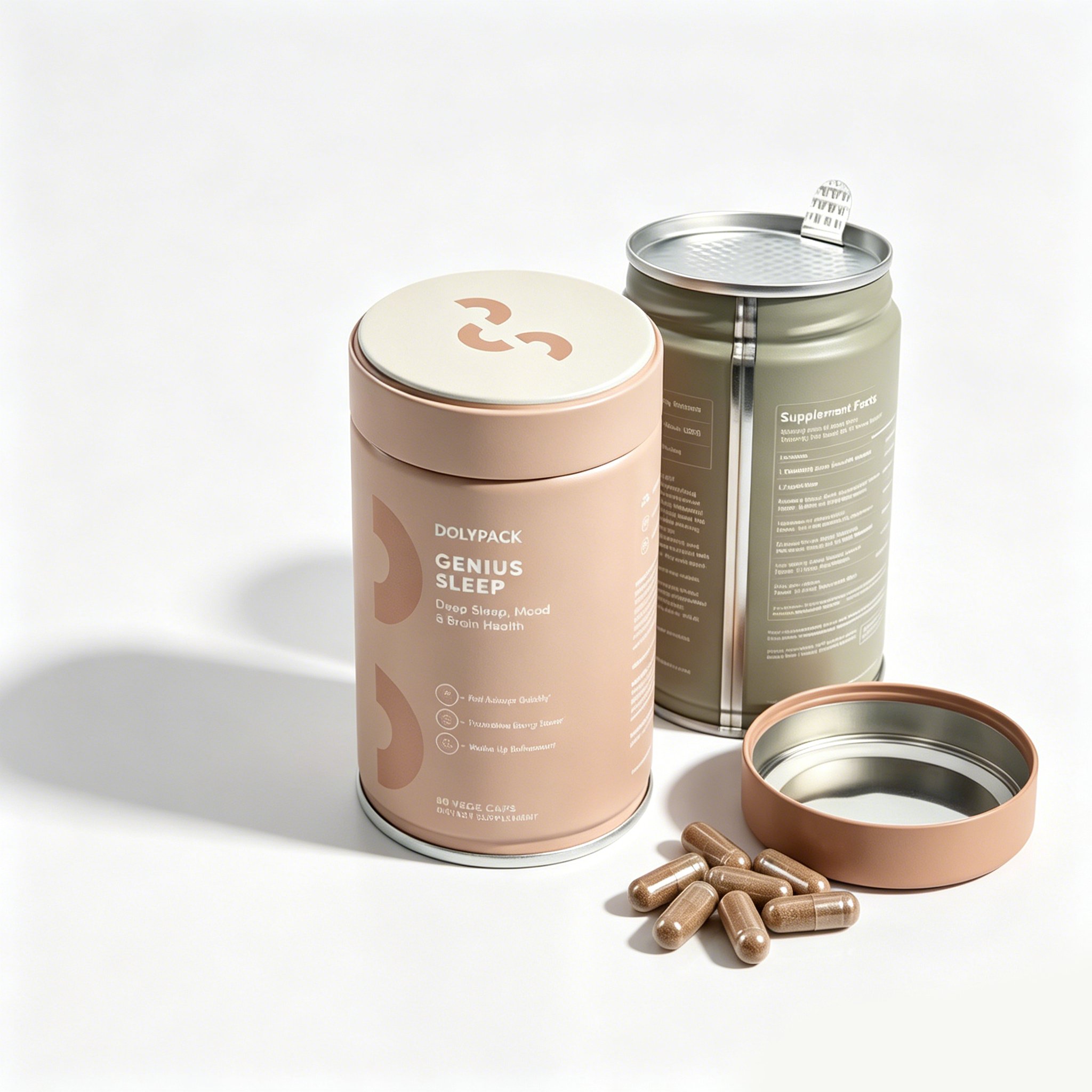
An aluminum pill jar — also called an aluminum pill bottle in supplement and pharmaceutical sourcing — is an empty primary packaging component shipped to a filling line or co-packer. It is filled with a counted dose of tablets, capsules, softgels, or powder, then sealed and labeled before reaching the consumer.
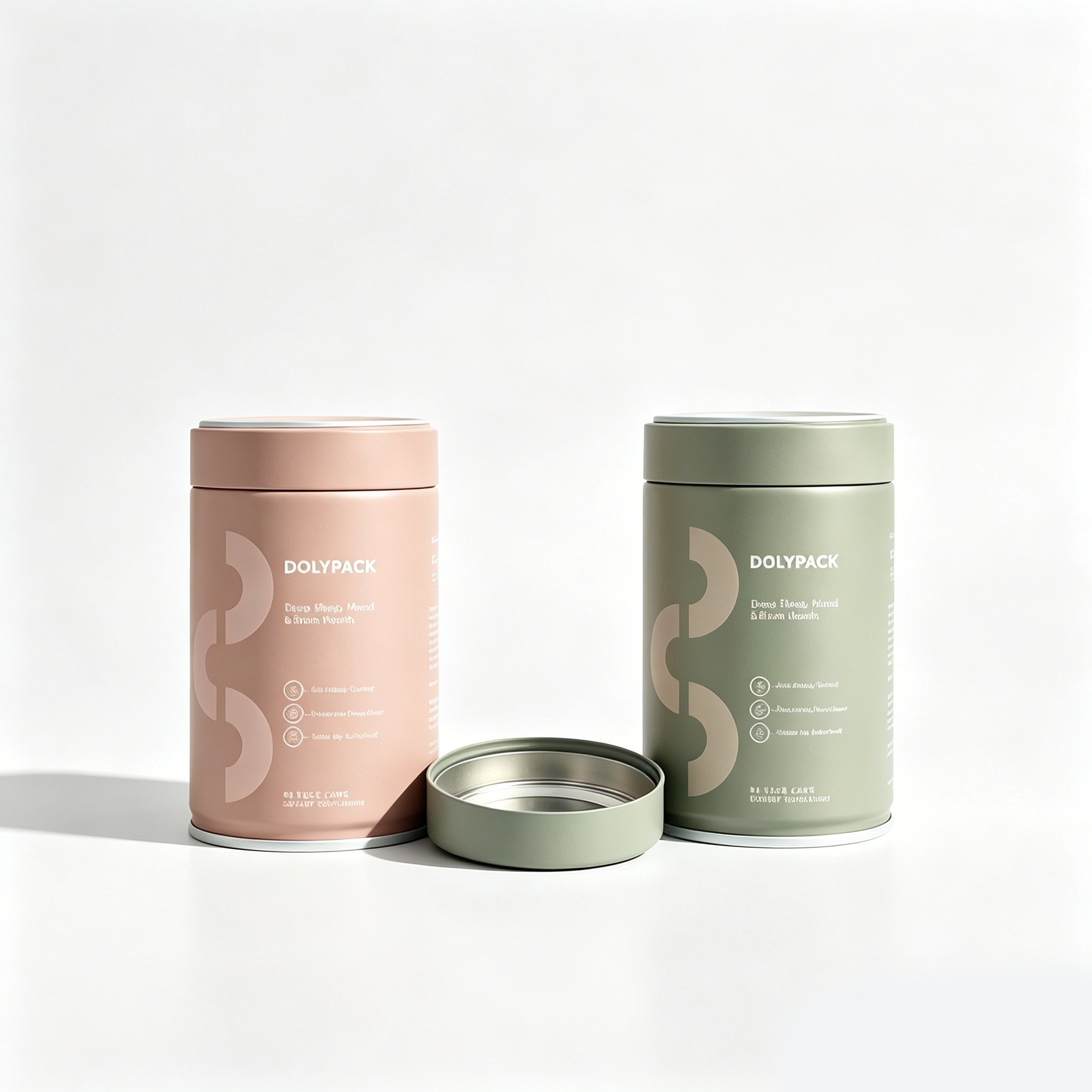
Supplement, nutraceutical, and pharma brands specify aluminum pill jars against four variables:
How many units per container, and whether that maps to a weekly, monthly, or trial-size supply
The diameter and length of the largest unit going in, since irregular capsules and large softgels need more internal clearance than round tablets at the same count
Whole tablets or capsules versus loose powder or granulated fill
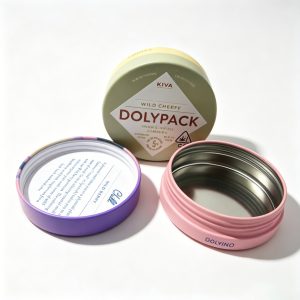
Screw-lid, click-lid, or dual-layer lid, paired with any desiccant, seal pad, or foam insert the fill requires
These jars should be distinguished from tinplate supplement tins and topical cream or powder jars, which use different filling, closure, and handling requirements. See custom supplement tin packaging and aluminum cream jars for those adjacent formats.
Once dose count, capsule shape, fill format, and closure are fixed, the jar is drawn from DOLYPACK's aluminum packaging options and the wider aluminum tin and jar wholesale range. It is adapted to your actual internal volume rather than rounded up to whichever stock size is closest.
Pill jars are sized around a countable dose rather than a bulk fill weight. The ranges below are starting points only: actual capacity depends on tablet or capsule dimensions, closure headspace, and any divider, liner, or desiccant insert.
| Jar Volume (approx.) | Typical Count (approx.) | Best Fit |
|---|---|---|
| 30 ml | ~15–25 size-0 capsules or ~30 small tablets | Trial packs, short-course doses, sample jars |
| 60 ml | ~30–50 capsules or ~60 small tablets | Single-vitamin SKUs, short monthly supply |
| 100 ml | ~50–90 capsules or ~100 tablets | Standard monthly supplement supply |
| 150 ml | ~80–130 capsules or ~150 tablets | Larger capsules, softgel-heavy fills |
| 250 ml | ~150–220 capsules or ~250+ tablets | Bulk retail SKUs, practitioner or clinic packs |
Capsule geometry and headspace can change the usable count significantly. Oblong capsules pack differently from round tablets, while a screw lid or dual-layer lid needs clearance under the cap. These variables should be accounted for during structure selection and sample review.
Closures are selected with the jar diameter. DOLYPACK’s aluminum screw cap range runs from Ø17.5 mm to 89 mm, while pill jars generally sit toward the smaller end of the wider aluminum packaging range:
The exact diameter-to-volume pairing is confirmed once the dose count, capsule dimensions, and closure preference are set. For single-serve or sample programs, 2 oz metal tins and 1 oz metal tins may also be worth comparing with a scaled-down pill jar.
If one SKU needs to carry two distinct fills, such as AM and PM doses, that is a divided-compartment build rather than a simple volume increase. A removable insert can separate the fills inside a standard body, subject to the required capacity and closure design.
Closure choice depends on reopening frequency, fill-line compatibility, and the required seal:
Holds seal consistency across dozens of open/close cycles; the default for a 30-day supply handled daily.
Faster single-hand opening; suited to single-use trial jars or users with reduced grip strength.
Adds an inner cap under the outer closure for a second moisture checkpoint, useful for actives that need more than a single outer barrier.
Liner and insert compatibility gets specified alongside the closure, not after it:
Need clearance built into the cap or a dedicated compartment rather than competing with fill volume.
Need a flat sealing surface at the neck; not all slip-lid necks provide one, and the induction sealing equipment on a co-packer’s line has to match the liner material as well as the neck finish.
Cushion irregular capsule shapes but add a small amount of effective fill height, which affects sizing.
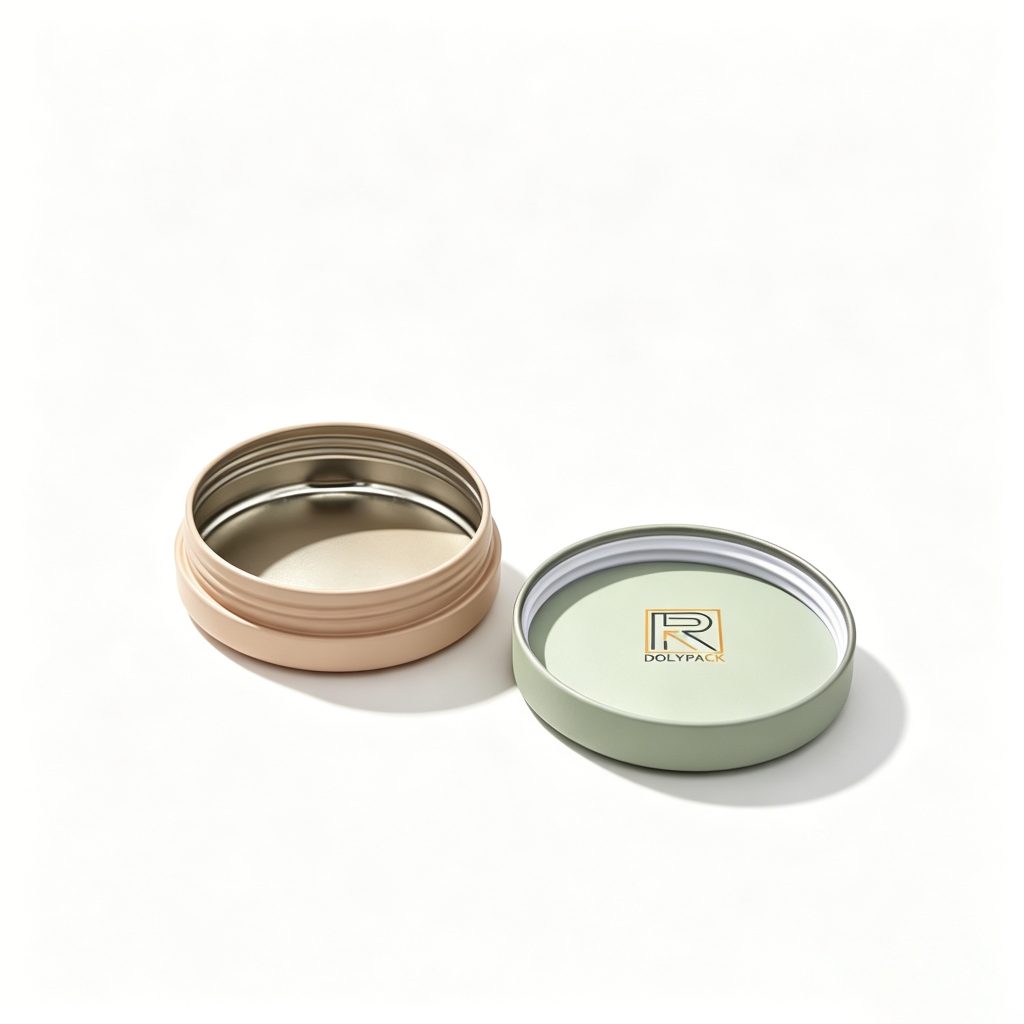
These features should be included in the initial specification. Retrofitting a jar after tooling may not be practical, so confirm neck-finish compatibility with your co-packer or filling line early.
A jar that seals fine by hand in a sample does not always run cleanly through automated equipment sized for a different neck profile.
Some configurations may support tamper-evident or child-use-adjacent requirements, but none should be treated as certified child-resistant packaging by default. Brands with a CR requirement should specify the complete closure mechanism and required testing separately.
For closure mechanics in more depth — thread pitch, reseal durability, and cap depth — the screw-top tin closure guide covers the wider aluminum and tinplate catalog.
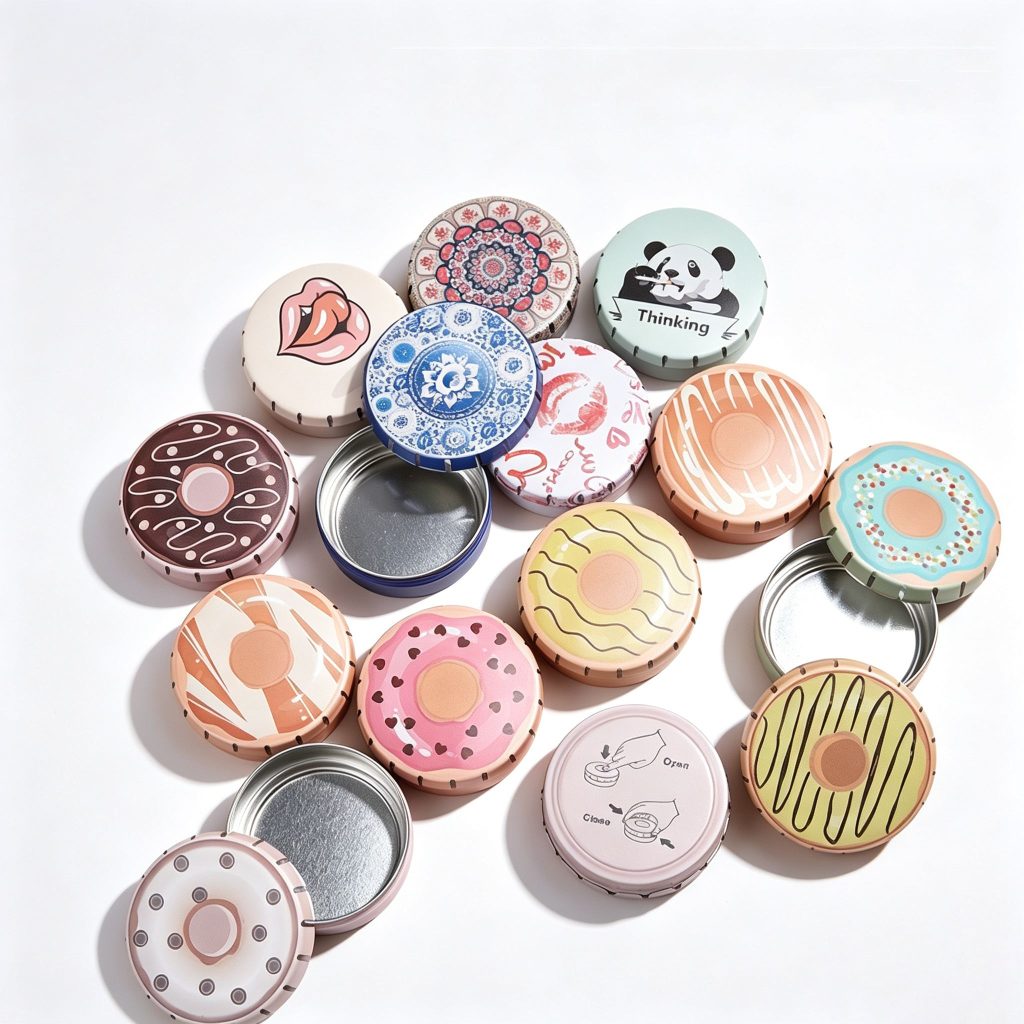
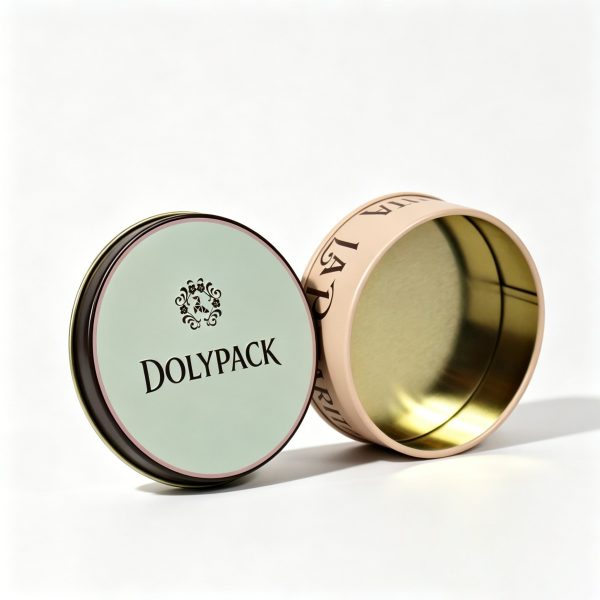
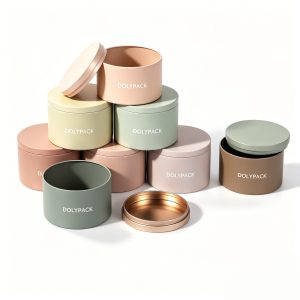
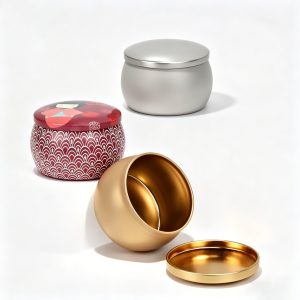
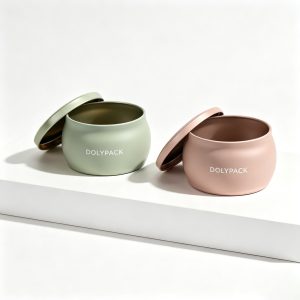
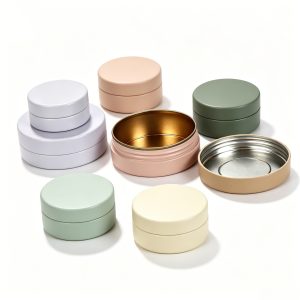
Available finishes: matte, glossy, frosted, metallic effect, lacquering, and anodizing on aluminum. The suitable finish depends on the required appearance, handling conditions, and decoration route.
Decoration methods:

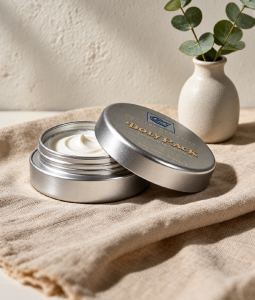
Laser marking — direct marking for variable information such as lot codes or expiry dates

Self-adhesive labeling — flexible branding with a relatively simple setup

Screen or full-color printing — printed branding and color-matched artwork

Embossing or debossing — raised or recessed logos pressed with custom tooling
Hot foil stamping and cut-out die work — quoted according to the container and artwork
Metal gauge, body curvature, and seam placement all affect how deep an embossed pattern can run. Bold shapes and lettering reproduce more reliably than fine detail, and a design with thin serif type or tight line spacing may need adjusting before it transfers cleanly to a die.
DOLYPACK's in-house tooling team works from vector artwork (AI, EPS, or vector PDF) to confirm depth and placement before cutting a die, so revisions happen on a file rather than on a physical mold.
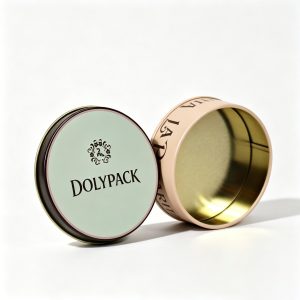
Decoration may include CMYK or Pantone color matching, single- or double-sided printing, UV printing, and hot foil stamping, subject to the selected container and production route. Combining a colored aluminum base with foil lettering can create a premium effect without requiring full-color coverage.
A fuller breakdown of what aluminum versus tinplate substrates allow for embossing depth and detail is available in the embossed tin materials guide. General custom embossed tin capability across the catalog is covered in custom embossed tins.
Aluminum pill jars provide an opaque metal body that can help limit exposure to light, moisture, and oxygen. Complete packaging performance still depends on the closure, liner, internal coating, filling method, and storage conditions. Any shelf-life claim must be supported by stability testing for the specific formulation.
No certification — FDA, GMP, ISO, BRC, food-grade, or otherwise — is claimed for this container as standard. Spec sheets, drawings, and supporting documentation are available on request once the container, decoration, and order quantity are reviewed.
Include the destination market and any required packaging standard in your first inquiry so documentation can be reviewed with the container specification before sampling or tooling.
| Factor | Aluminum pill jar | Plastic pill bottle |
|---|---|---|
| Barrier property | Built into the metal wall | Depends on an added liner or opacifying additive |
| End of life | Recyclable | Recyclable where accepted; varies by resin |
| Built-in CR mechanism | Not standard — added at closure stage | Common, molded into the cap |
| Cost at very high volume | Higher per-unit than commodity plastic | Lower per-unit at extreme volume |
| Light transmission | Opaque as standard | Often translucent unless pigmented |
Aluminum is more suitable when opacity, metal presentation, or barrier performance is important. Plastic may be more suitable when a molded child-resistant closure or the lowest unit cost at very high volume is the priority. Cost and barrier trade-offs are discussed in Recyclable Aluminum Tin vs Plastic Packaging.
For fully custom body geometry beyond the standard pill-jar range — a non-round profile, an unusual neck finish, a bespoke cap — Custom Aluminum Jar Manufacturer covers what that development path looks like.
Common applications include:
Counted-dose containers where opacity, closure performance, and documentation review are important.
Brand-labeled jars where printing, embossing, or anodized finishes support shelf presentation.
Smaller jars for trade shows, sample kits, or trial-size doses, often using labels or laser marking.
Fish oil and similar products require sealing and compatibility checks beyond those used for dry tablets or capsules. See fish oil containers for that use case.
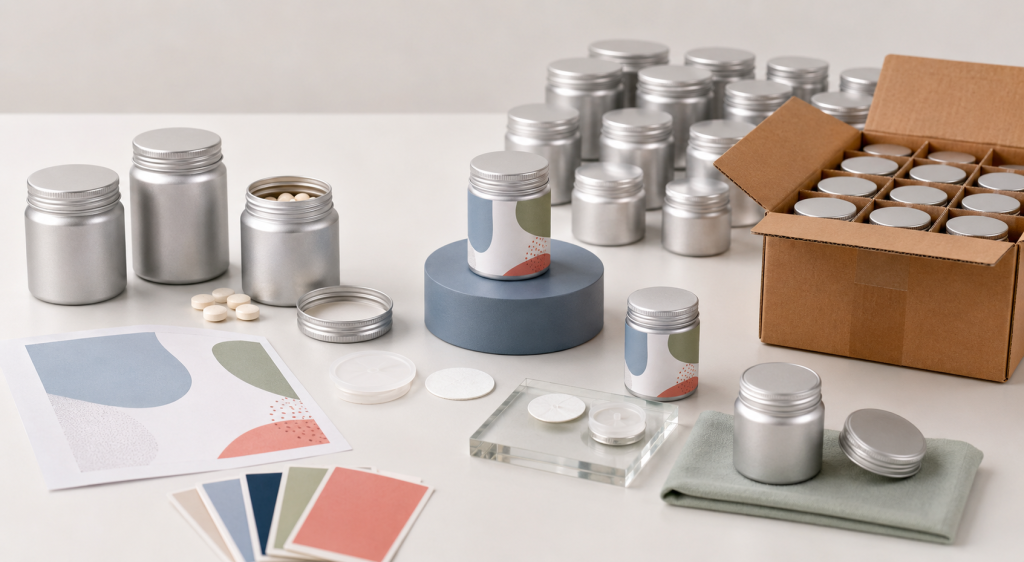
If loose powder or granulated fill is closer to your actual product than whole tablets or capsules, a wide-mouth, scoop-friendly structure fits better than a narrow pill-count neck. The opening geometry that suits a scoop is different from one sized to drop capsules through cleanly.
For adjacent aluminum formats, see aluminum powder jars, aluminum cream jars, and custom aluminum jars.
Catching fit, closure engagement, or finish issues at the sample stage matters for pill jars: a container that holds 48 capsules instead of the specified 50 can create a filling and labeling problem, not just a cosmetic issue.
Before specifying decoration or committing to a production quantity, request a free aluminum tin sample to check wall gauge, lid fit, and finish. For budget planning, Aluminum Tin Cost: Prices & What Affects Them explains how size, closure type, and decoration method affect pricing.

Provide a drawing or reference sample, dose count, capsule or tablet dimensions, closure preference, and liner or insert requirements.

DOLYPACK reviews the body size, closure, finish, artwork, headspace, and neck compatibility before tooling.

Check lid engagement, internal clearance, count accuracy, finish, and compatibility with your filling or sealing equipment.

MOQ and lead time are confirmed after the jar, decoration, artwork, tooling, and order quantity are reviewed together.

Export packing is matched to the finished container, decoration, and destination requirements after sample approval.
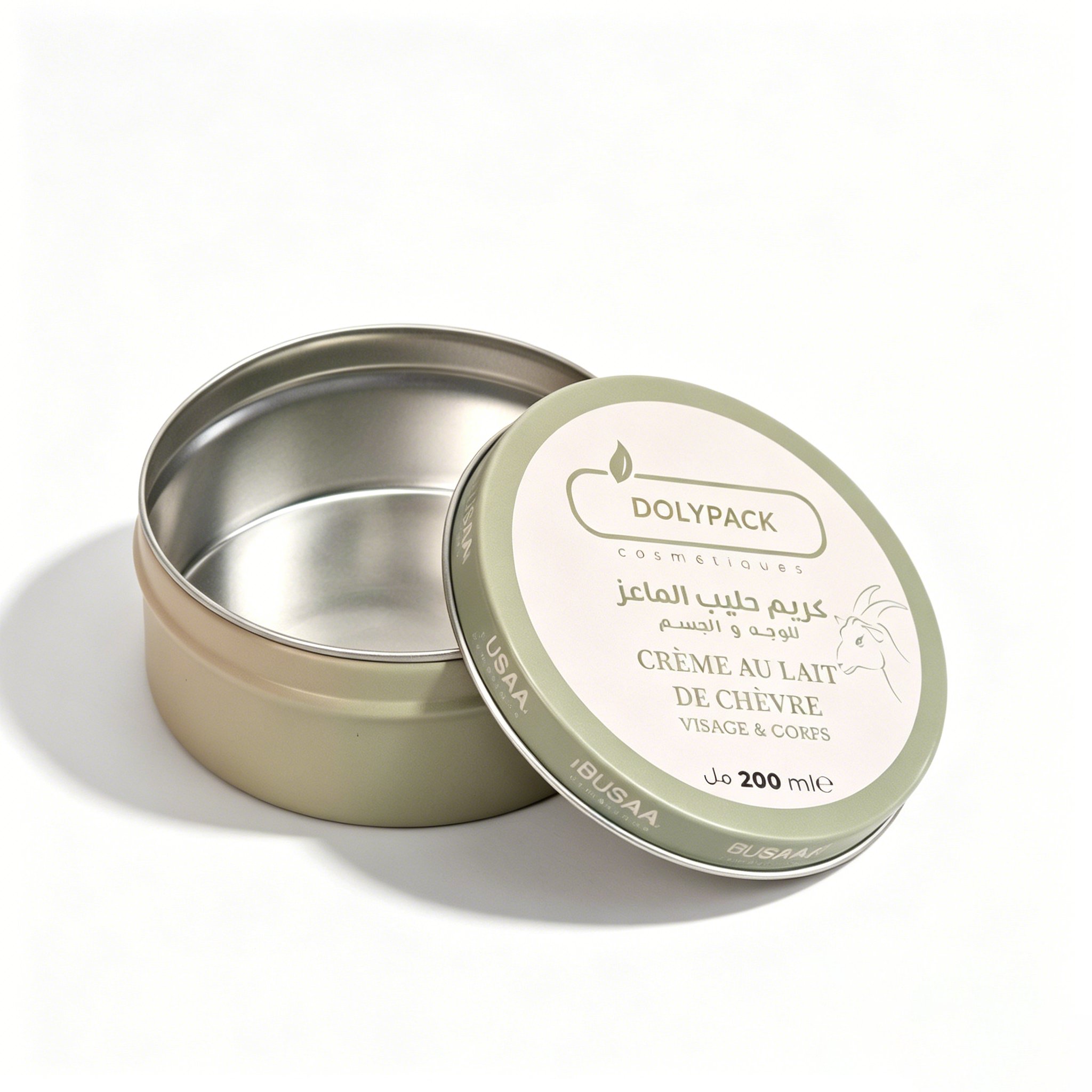
More on the company sits at About DOLYPACK.
Aluminum pill jars are specified around dose count, capsule size, closure preference, and destination-market requirements rather than selected from a size chart alone. Start a customization request with those details so DOLYPACK can confirm the structure, decoration setup, documentation, and production timing before sampling.
Other popular tin and metal packaging from our in-house catalog.
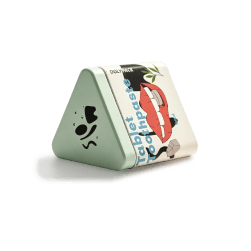
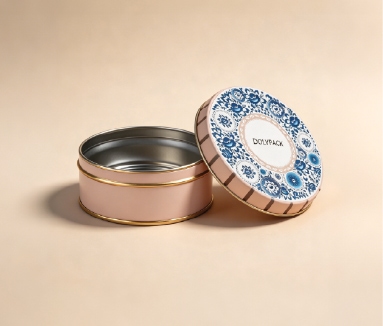
Send dose count, capsule dimensions, closure preference, and destination-market requirements and DOLYPACK will confirm jar structure, documentation, and production timing before sampling. Request a Quote or Get Free Samples to start.