Get a Quote
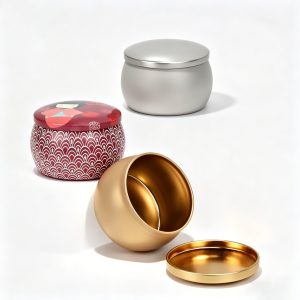
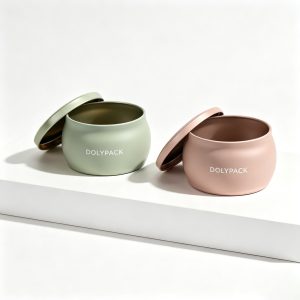
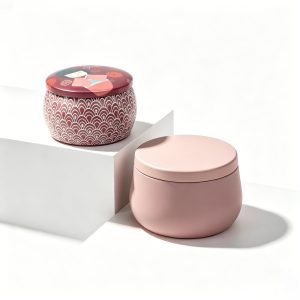
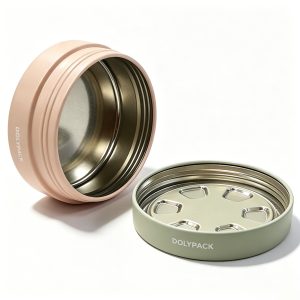
Fish Oil Container
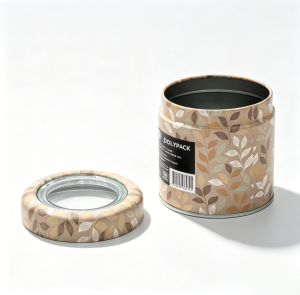
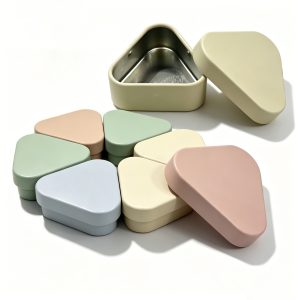
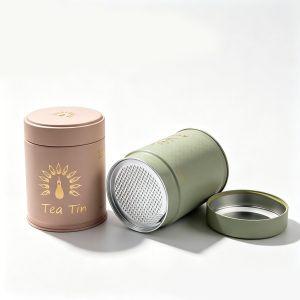
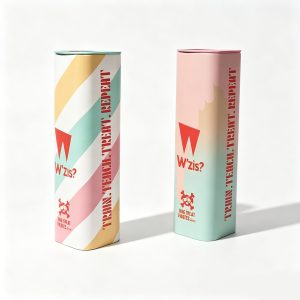
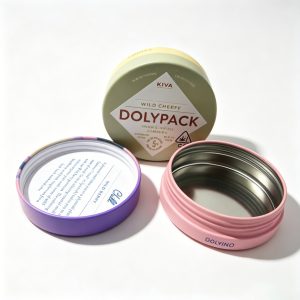
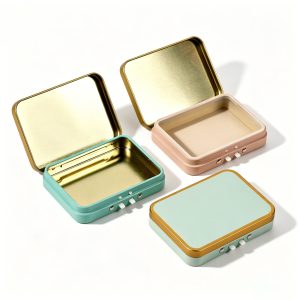
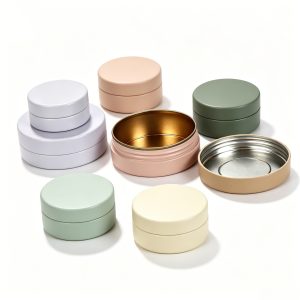
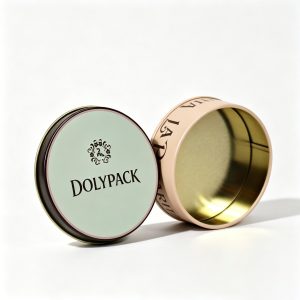
DOLYPACK supplies metal fish oil containers in two formats: pour-spout bodies for liquid omega-3 and wide-mouth jars for softgel counts. Each fish oil container is specified with its body, closure, and interior coating as one system.
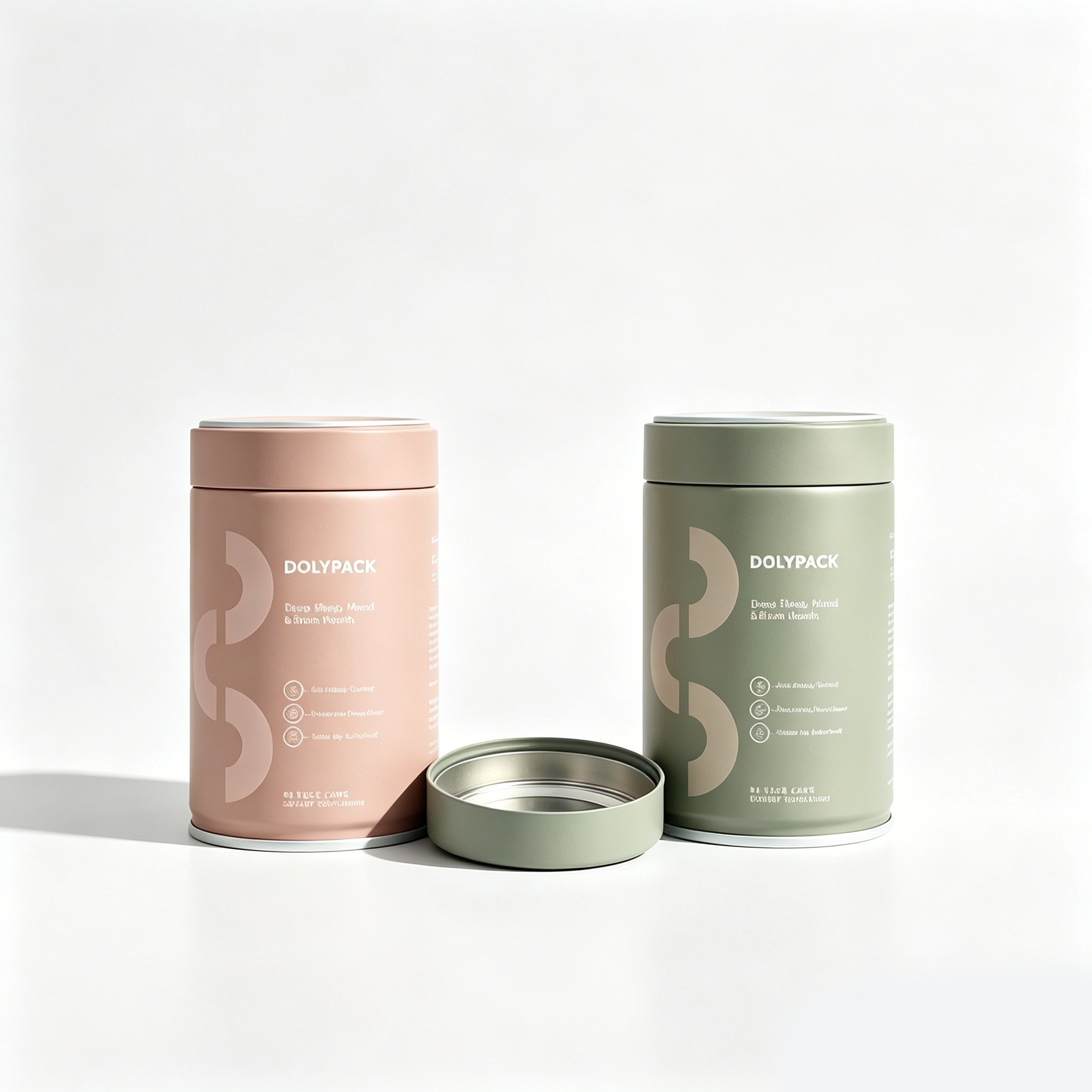
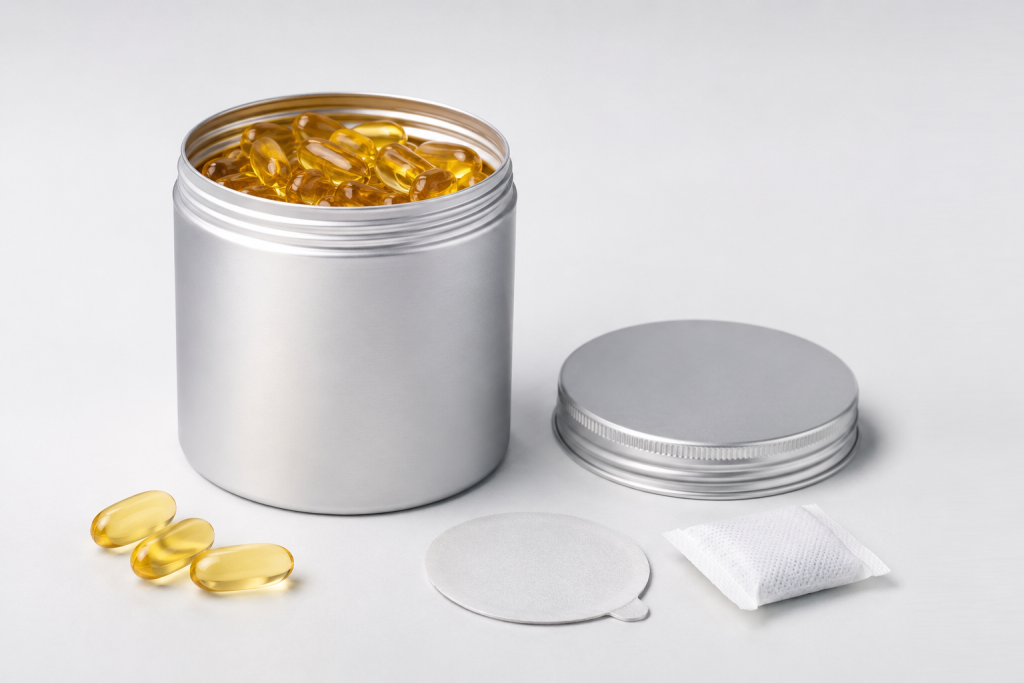
Two Formats: Liquid Pour vs. Softgel Capsule Containers
The two formats differ by how the product is filled and dispensed:
-
Liquid fish oil
Needs a controlled-pour neck or spout and a closure that reseals cleanly after each use.
-
Softgel fish oil
Needs an opening wide enough to fill and dispense capsules, with usable space sized around capsule dimensions and count.
Tell us which format applies before we specify anything else. The body, neck diameter, and closure differ between the two.
Specs at a Glance
| Attribute | Detail |
|---|---|
| Material | Aluminum or tinplate |
| Capacity range | 5 ml – 6,000 ml |
| Closure types | Pour spout, plug, screw cap, induction-seal-compatible jar lid |
| Coating/liner options | Interior lacquer suited to oily contents; inner seal liners for jars |
| Finish options | Matte, glossy, metallic, anodized (aluminum) |
| Customization | Embossing, debossing, laser marking, printing |
Request a quote with your fill format, target capacity, and closure preference, and we’ll price the container, closure, and decoration as one package.
Oxidation Protection for Fish Oil: Coatings and Liners
Omega-3 oils are sensitive to heat, light, and oxygen, so the container should be evaluated as part of the complete packaging system. Key considerations include:
-
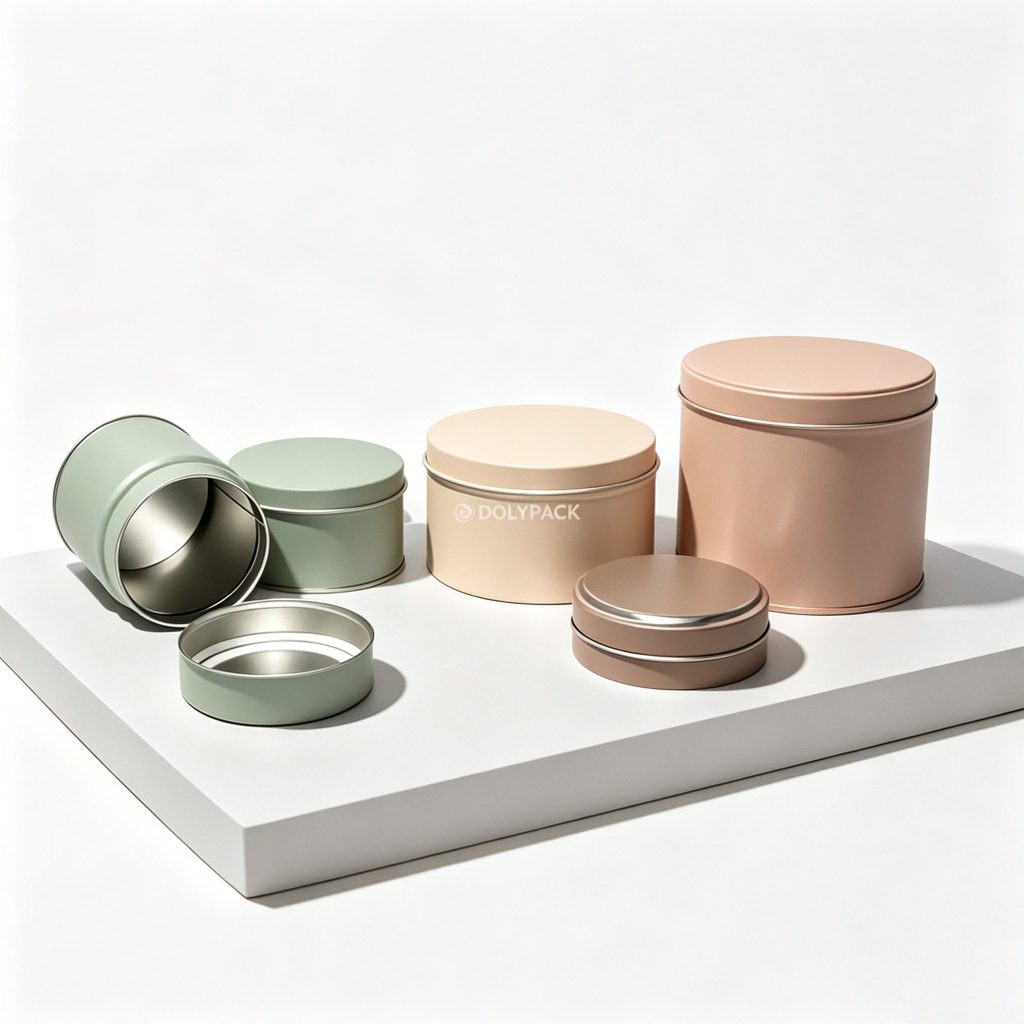
Opaque metal body
Helps limit light exposure and provides a strong barrier when paired with a suitable closure.
-
Interior lacquer or liner
Separates oily contents from bare metal and supports compatibility with the formulation.
For the construction being quoted, DOLYPACK can provide material declarations, coating data sheets, and migration reports. Include your destination market and required document names in the first inquiry so they can be reviewed before approval.
Both aluminum and tinplate can be used for fish oil packaging, but they involve different trade-offs. Aluminum is lightweight and supports anodized or metallic finishes, while tinplate generally offers better dent resistance and may be more cost-effective for transport.
The final choice should also consider wall gauge, closure design, carton protection, and handling conditions. Tinplate still requires an interior lacquer compatible with oily fills, and lacquer chemistry is not suitable for every fish oil formulation. DOLYPACK confirms compatibility with the specific oil before the coating is finalized.
Closures: Pour Spouts, Screw Caps & Capsule-Jar Lids
Closure options depend on the format:
01
Liquid containers
A pour spout, plug, or plain screw cap, depending on the intended dose and how the consumer recloses the pack.
02
Softgel jars
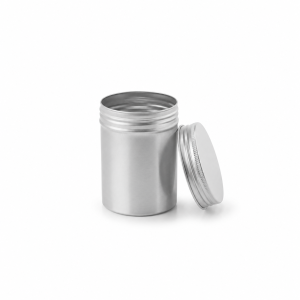
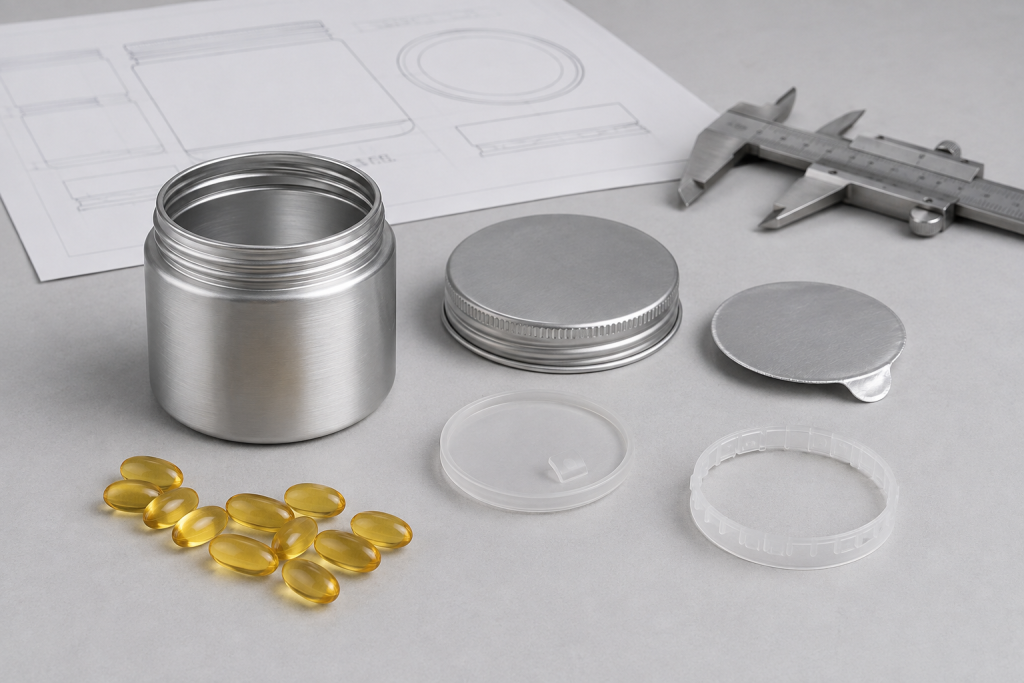
Aluminum screw-lid jars with a liner or induction-seal-compatible inner disc so the seal holds through repeated opening.
We sample the closure, liner, and any tamper-evident component together with the body because the sealing face and fill headspace affect how well the pack closes.
Capacity & Capsule Sizing
The aluminum line spans 5 ml to 6,000 ml, covering small softgel jars through bulk liquid oil cans. Screw closures are available from Ø17.5 mm to 89 mm.
For softgels, send us the actual capsule dimensions and target count. We check the opening diameter and usable internal volume against those figures before confirming the jar size, since counts are not standardized across sizes.
Design Options
Customization & Finishing
-
Decoration & artwork
Detail is limited by metal gauge and seam placement. Bolder shapes reproduce more reliably than fine line work, and aluminum takes embossing more cleanly than tinplate at the same gauge. Tooling cost increases with pattern depth and finish complexity.Bodies and lids support embossing, debossing, laser marking, screen printing, full-color printing, and matte, glossy, metallic, or anodized finishes. Tooling and print setup require vector artwork in AI, EPS, or vector PDF format; low-resolution files may need to be redrawn.
-
Format selection
Brands testing a formulation or running a limited softgel batch can start with 1 oz metal tins. Bulk fish oil programs can consider extra large tin options for retail or food-service volumes.
Quoting, MOQ & Samples
MOQ, tooling cost, and lead time move with the container and decoration you choose, so we do not quote them as one flat rate across formats.
Unprinted stock jars and simple single-color decoration sit toward the lower end of run sizes and tooling cost. Full-color printing, cut-out details, or deep embossing patterns call for larger runs and heavier die work.
Sample and production timing are set once we review your drawing and artwork. We confirm both in weeks rather than as a fixed number quoted up front, since pattern depth and finish change the schedule.
FAQ
How do I confirm a jar fits my capsule count?
Send us the actual softgel dimensions and target count, and we’ll check the opening diameter and usable internal capacity against those figures before confirming the jar size.
Should I choose tinplate or aluminum?
Aluminum is the standard choice for softgel screw-lid jars and takes anodized finishes; tinplate costs less and resists dents better in bulk liquid oil cans but needs a lacquer compatible with your specific formulation. Tell us your format and target volume and we’ll confirm which fits.
Related Products
Related Metal Packaging
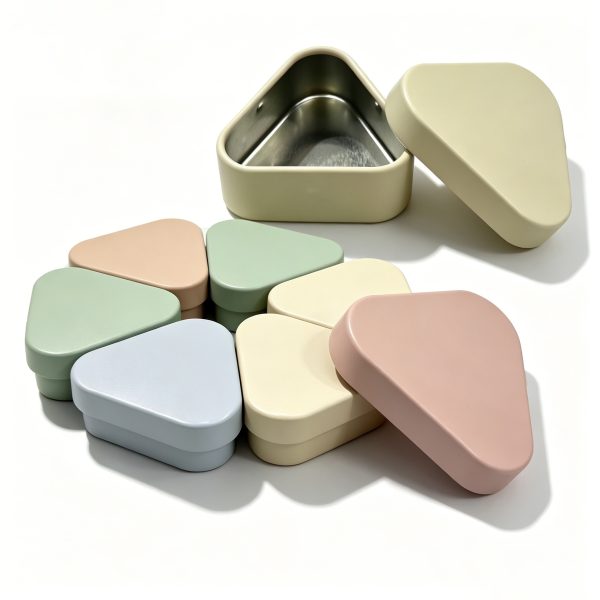
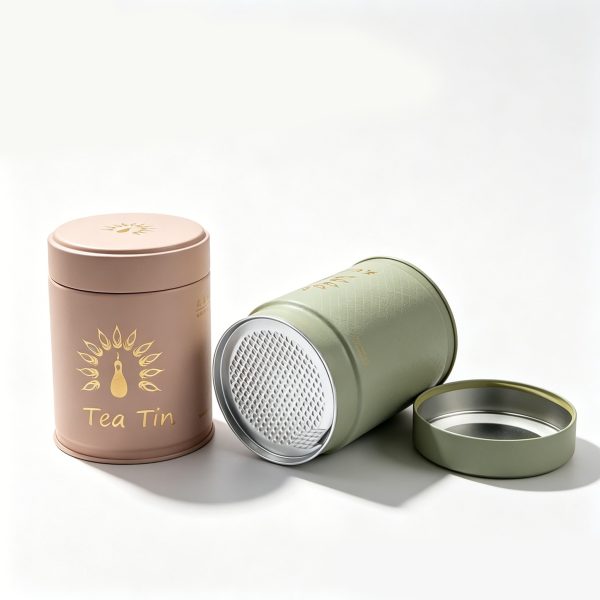
Other popular tin and metal packaging from our in-house catalog.
Request a Quote or Sample
Get in touch with your fill format, target volume, and closure preference. We’ll review the container drawing, closure assembly, and decoration together, then confirm pricing and sample terms.