Get a Quote
Aluminum Caviar Tin
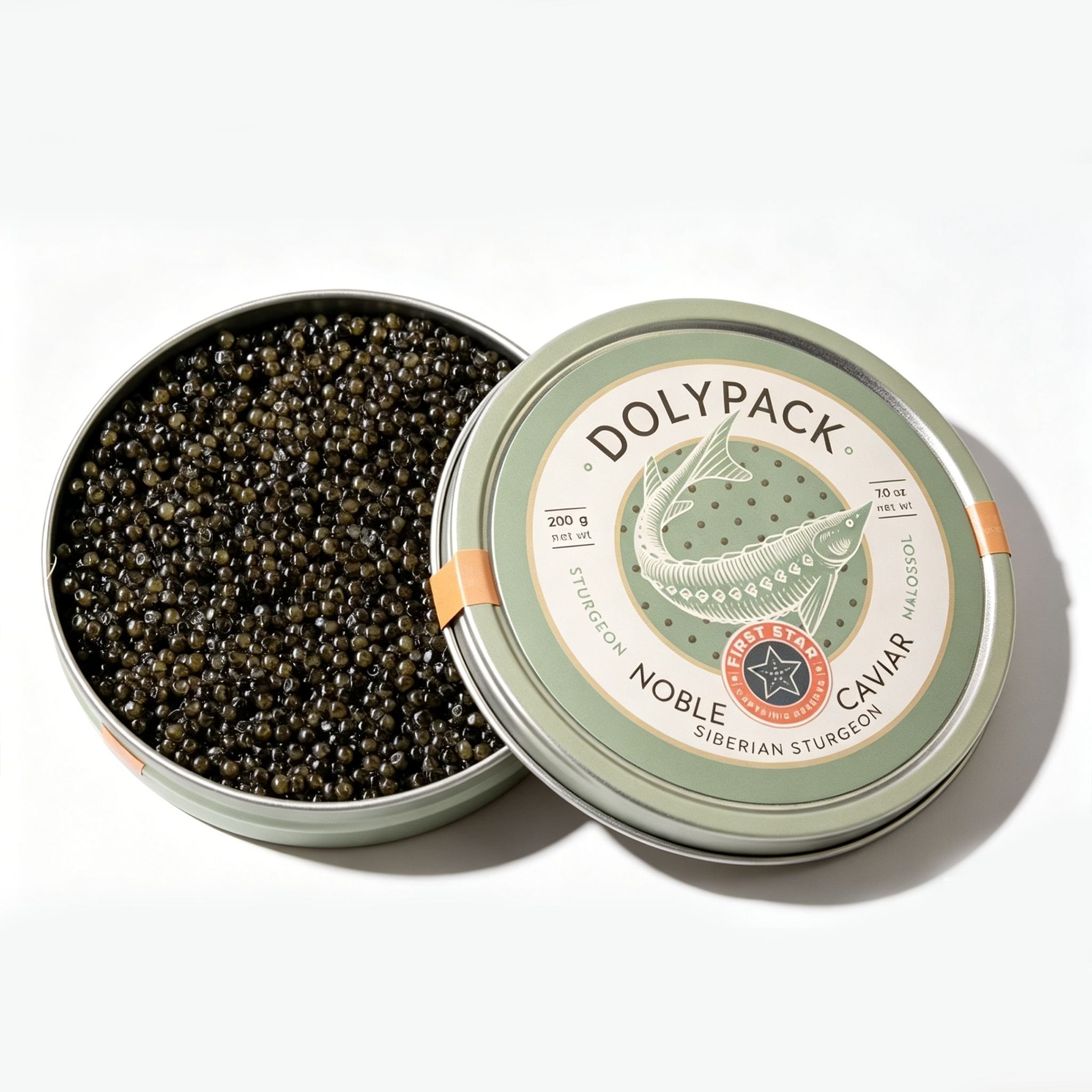
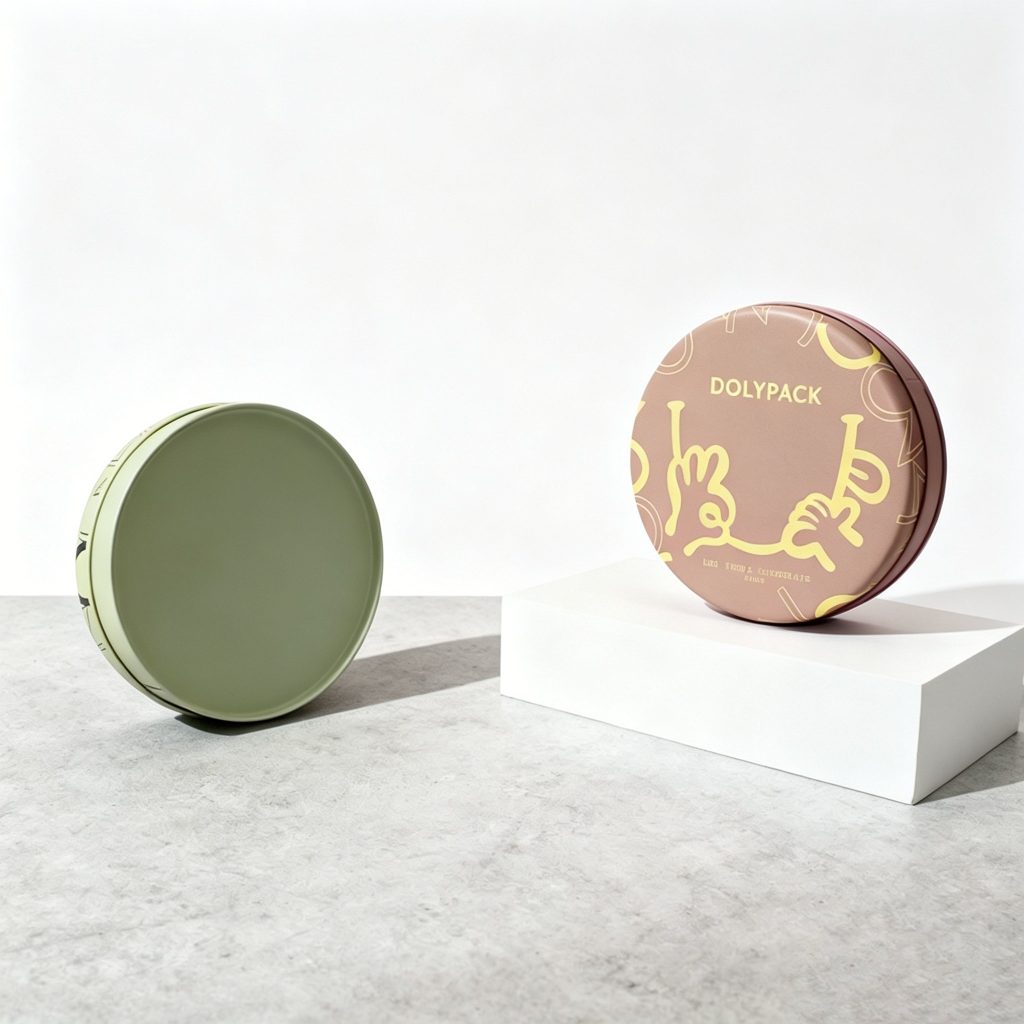
DOLYPACK produces aluminum caviar tins for producers, repackers, and distributors. Each aluminum caviar tin uses a one-piece drawn body, rolled rim, and lid matched to the required airtight closure.
Caviar Tin Size Chart
| Pack size | Diameter × height | Wall gauge | Fill volume | Typical use |
|---|---|---|---|---|
| 30 g | Confirmed per model | Confirmed per model | Matched to 30 g fill | Tasting portions, gift sets |
| 50 g | Confirmed per model | Confirmed per model | Matched to 50 g fill | Standard retail portions |
| 125 g | Confirmed per model | Confirmed per model | Matched to 125 g fill | Larger retail, restaurant supply |
| 250 g | Confirmed per model | Confirmed per model | Matched to 250 g fill | Food-service, distributor packs |
| 500 g | Confirmed per model | Confirmed per model | Matched to 500 g fill | Professional kitchens, repacking |
| 1 kg+ | Confirmed per model | Confirmed per model | Matched to 1 kg+ fill | Producer/importer bulk formats |
These sit within DOLYPACK’s broader 5 ml–6,000 ml aluminum tin jar range. Diameter, height, wall gauge, and fill-volume figures are locked in against a dimensional drawing once a size is selected — they vary by lid type and decoration, so DOLYPACK does not publish one fixed spec sheet for all six formats.
Closures & Interior Coating
Available closure options include:
-
Slip lids
-
Click lids
-
Vacuum-compatible lids
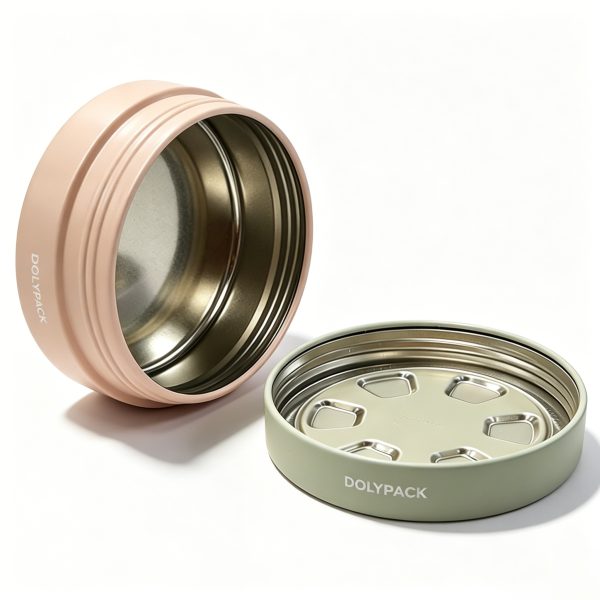
For vacuum-compatible tins, seal type, lid engagement, and fit are matched to the buyer's closing-head specification and verified in a closing trial rather than sold against a generic tolerance. A press-fit tin from one machine setup will not necessarily seal correctly on another line, so trial verification is the actual quality gate.
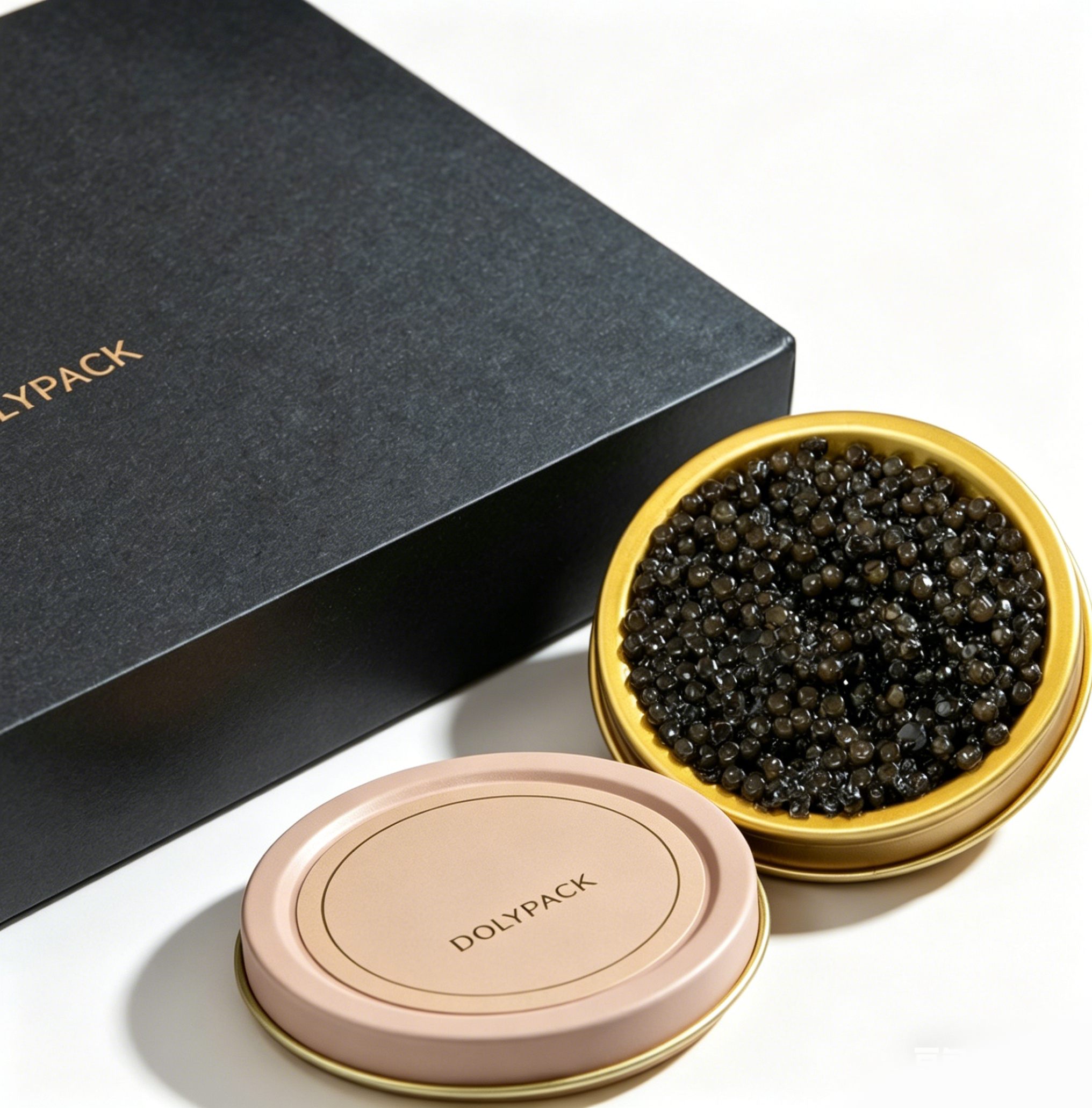
An interior lacquer is offered for direct roe contact. The specific lacquer chemistry and any food-contact documentation are confirmed against the selected tin and lid construction, not published as a blanket certification. Closure mechanics and lid types are explained in the screw-top tin closure guide.
Aluminum vs. Tinplate Trade-Off
Both materials can work for caviar packaging, but their strengths differ:

Aluminum
Resists the corrosive effect of salt-packed roe better than bare steel and takes anodized or metallic finishes well. Any bare aluminum in contact with brine can still pit over time, so an interior lacquer is essential for long-contact fills.
VS
Tinplate
Can reduce cost for larger formats, but needs its own coating system to provide comparable corrosion resistance for salted roe.
Custom Print & Branding
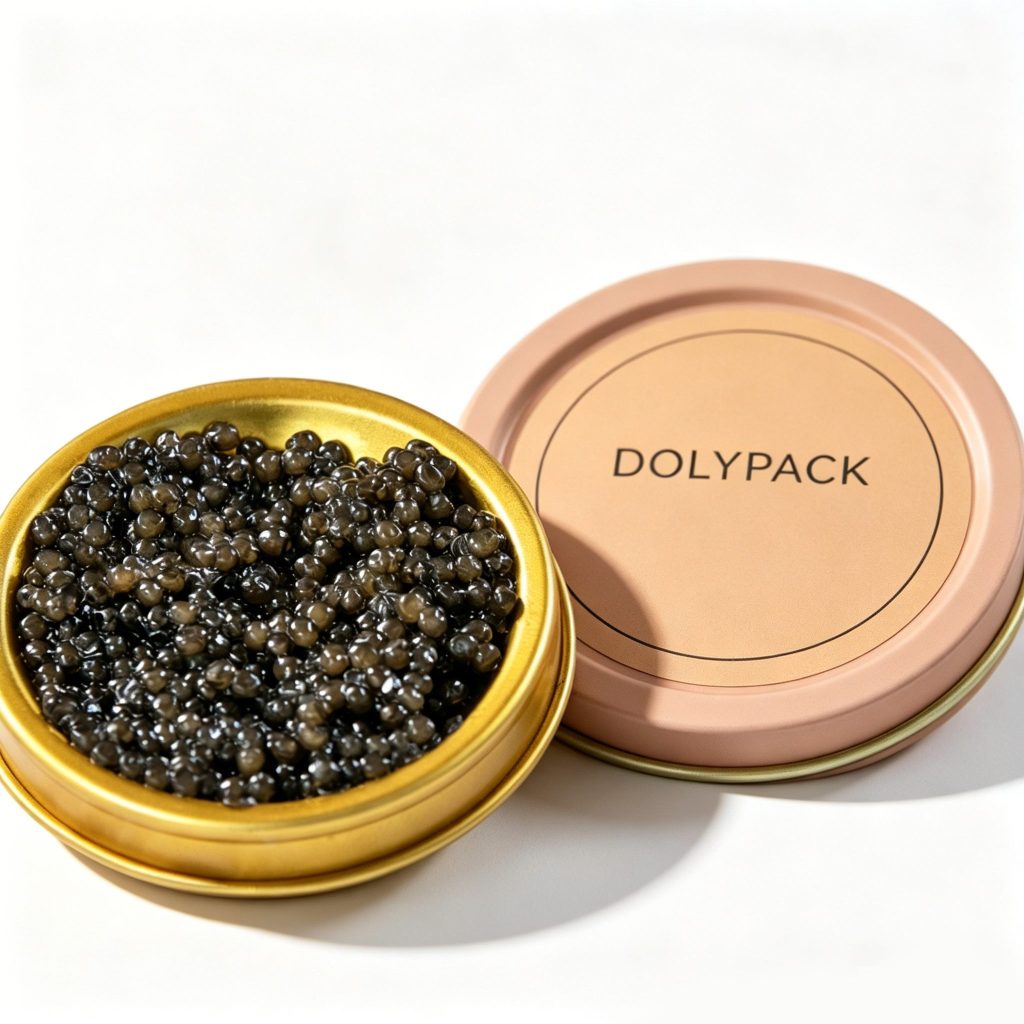
Label printing, laser marking, screen printing, embossing/debossing, and matte, glossy, or metallic finishes are quoted after artwork and container review — this covers both small branded runs and larger aluminum caviar tin wholesale orders.
Who Orders These
Caviar producers, co-packers, seafood distributors, and emerging DTC caviar brands source these tins to standardize portioning across species, grades, and markets while keeping shelf presentation consistent.
FAQ
How much does a caviar tin cost?
Cost depends on size, closure type, interior coating, and print or embossing — quoted after specs are reviewed rather than fixed in advance.
What are caviar tins made of?
Aluminum is the standard body material for this range; DOLYPACK also produces tinplate containers for other food packaging lines.
Related Products
Related Tin Formats
Other popular tin and metal packaging from our in-house catalog.
Request Samples & Quotes
Share the caviar type, target weight, closure preference, and artwork. DOLYPACK confirms MOQ, tooling cost, sample lead time, and production lead time after the size, closure, coating, and decoration are reviewed.
These details vary too much by configuration to quote as one standard number.